




As we step into 2025, the automotive landscape is more diverse than ever, with eco-friendly vehicles taking center stage. The choice between hybrid and electric cars has become a significant dilemma for potential buyers. With the growing trend towards sustainable transportation, understanding the differences between these options is crucial.
The automotive industry has seen a notable resurgence in hybrid sales, alongside a continued push towards electric vehicles (EVs). This shift is driven by technological advancements, environmental concerns, and changing consumer preferences. As a buyer, navigating these choices can be overwhelming, but it’s an exciting time to explore the benefits of each.
Key Takeaways
- Hybrid cars offer a balance between traditional fuel engines and electric power.
- Electric vehicles are gaining popularity due to their eco-friendly nature.
- The choice between hybrid and electric cars depends on personal preferences and needs.
- Technological advancements are making both options more viable.
- Environmental concerns are driving the demand for eco-friendly vehicles.
Understanding Hybrid Cars
As the automotive market continues to evolve, understanding the nuances of hybrid cars is becoming increasingly important for potential buyers. Hybrid cars, which combine a conventional internal combustion engine with an electric motor, offer a compelling alternative to traditional gasoline-powered vehicles.
What is a Hybrid Car?
A hybrid car is defined by its ability to use more than one power source. Typically, this involves a combination of a gasoline engine and an electric motor. The synergy between these two power sources allows hybrid cars to achieve better fuel efficiency and lower emissions compared to conventional vehicles.
Key benefits of hybrid cars include:
- Improved fuel efficiency
- Reduced emissions
- Lower operating costs
How Do Hybrid Cars Work?
The operation of a hybrid car is based on a sophisticated system that optimizes the use of both the gasoline engine and the electric motor. The vehicle’s computer system continuously monitors driving conditions and switches between the power sources to maximize efficiency.
The main components of a hybrid car include:
- A gasoline engine
- An electric motor
- A battery pack
- A power control unit
Types of Hybrid Vehicles
There are primarily two types of hybrid vehicles: Non-rechargeable hybrids (HEVs) and Plug-in hybrids (PHEVs).
| Type | Description | Key Features |
|---|---|---|
| Non-rechargeable Hybrids (HEVs) | These hybrids cannot be charged from an external power source. The battery is charged through regenerative braking and by the engine. | Fuel efficiency, lower emissions |
| Plug-in Hybrids (PHEVs) | PHEVs can be charged from an external power source, allowing for extended electric-only driving range. | Extended electric range, flexibility to use gasoline engine |
Understanding these different types of hybrid vehicles can help consumers make informed decisions based on their driving habits and needs.
Understanding Electric Cars
As we shift our focus towards electric cars, it’s essential to understand their core benefits and features. Electric cars, also known as electric vehicles (EVs), are becoming increasingly popular due to their eco-friendly nature and cost-effectiveness.
What is an Electric Car?
An electric car is a vehicle that is powered by one or more electric motors, using electrical energy stored in batteries or other energy storage devices. Unlike traditional gasoline-powered cars, electric cars run on rechargeable batteries, offering a smooth, silent ride with zero tailpipe emissions.
Key Features of Electric Vehicles
Electric vehicles come with several key features that make them attractive to consumers. Some of these features include:
- Zero Emissions: Electric cars produce no tailpipe emissions, reducing air pollution and greenhouse gas emissions.
- Performance: EVs are known for their instant torque, providing quick acceleration and a smooth driving experience.
- Lower Operating Costs: Electric cars are generally cheaper to run, with lower fuel (electricity) costs and reduced maintenance needs.
Additionally, many electric vehicles come equipped with advanced technology features, including regenerative braking, which helps recharge the battery, and sophisticated infotainment systems.
Environmental Impact of Hybrid vs Electric
Understanding the environmental implications of choosing between hybrid and electric vehicles is crucial for eco-conscious consumers. As the world shifts towards more sustainable transportation options, the debate between hybrid and electric cars continues to grow.
The primary concern for many is the environmental impact of these vehicles. Electric cars have zero tailpipe emissions, significantly reducing air pollution in urban areas. In contrast, hybrid cars, while more environmentally friendly than traditional gasoline-powered vehicles, still produce emissions when their combustion engine is in use.
Carbon Emissions Comparison
When comparing the carbon emissions of hybrid and electric cars, it’s essential to consider the source of the energy used to power them. Electric cars charged from renewable energy sources like solar or wind power have a significantly lower carbon footprint compared to those charged from fossil fuel-based electricity.
Hybrids, on the other hand, offer a compromise by combining a conventional engine with an electric motor, thereby reducing fuel consumption and emissions. However, their overall environmental benefit is generally less than that of electric vehicles, especially in regions with a high percentage of renewable energy in the grid.
Battery Production and Recycling
Another critical aspect of the environmental impact of electric and hybrid vehicles is the production and recycling of their batteries. The extraction of materials such as lithium, cobalt, and nickel for battery production has environmental and social implications.
However, advancements in battery technology and recycling processes are underway to mitigate these concerns. Recycling can help recover valuable materials, reduce waste, and decrease the demand for primary materials, thus lowering the overall environmental footprint of battery production.
In conclusion, while both hybrid and electric cars offer environmental benefits compared to traditional vehicles, electric cars generally have a lower environmental impact, especially when powered by renewable energy. As technology continues to evolve, the environmental advantages of electric vehicles are likely to increase further.
Fuel Efficiency: Hybrid vs Electric
When considering a new vehicle, understanding the fuel efficiency of hybrid and electric cars is crucial. Both types of vehicles offer distinct advantages in terms of fuel economy and environmental impact.
Hybrid cars combine a conventional internal combustion engine with an electric motor, enhancing fuel efficiency. Electric vehicles (EVs), on the other hand, run solely on electric power, eliminating the need for gasoline.
Average Mileage of Hybrid Cars
Hybrid vehicles are known for their improved fuel economy compared to traditional gasoline-powered cars. The average mileage for hybrids varies widely depending on the model and driving conditions. For instance, some hybrid sedans achieve up to 50 miles per gallon in city driving, while others can reach up to 60 miles per gallon on the highway.
The fuel efficiency of hybrid cars is largely due to their ability to switch between electric and gasoline power, optimizing energy use. This results in lower fuel consumption and reduced emissions.
Range of Electric Vehicles
Electric vehicles have gained popularity due to their zero-emission status and lower operating costs. The range of EVs has improved significantly over the years, with many models now offering over 300 miles on a single charge.
Factors such as battery size, driving habits, and weather conditions can affect the range of an electric vehicle. Advances in battery technology continue to enhance the efficiency and range of EVs, making them a more viable option for many consumers.
In conclusion, both hybrid and electric vehicles offer compelling fuel efficiency advantages. Hybrids provide a transitional solution for those not ready to switch entirely to electric, while EVs represent a more radical departure from traditional gasoline-powered cars.
Cost Analysis: Purchase and Maintenance
The total cost of ownership for hybrid and electric cars varies significantly, influenced by factors such as the initial purchase price, ongoing maintenance costs, and fuel expenses. Understanding these costs is essential for making an informed decision.
Initial Buying Costs
The initial buying cost is a critical factor in the decision-making process. Generally, electric cars are more expensive upfront compared to their hybrid counterparts. This higher initial cost is largely due to the expensive battery technology that electric vehicles (EVs) rely on. For instance, the average price of a new electric car in the United States is around $40,000, although luxury models can exceed $100,000.
In contrast, hybrid cars, which combine a conventional internal combustion engine with an electric motor, tend to be more affordable at the point of purchase. The average price for a hybrid vehicle is typically between $25,000 and $35,000, making them a more accessible option for many buyers.
Long-Term Ownership Costs
While the initial purchase price of electric cars is higher, their long-term ownership costs are often lower. Electric cars have fewer moving parts than hybrid or traditional gasoline-powered vehicles, which means they require less maintenance over time. There’s no oil to change, and brake wear is reduced due to regenerative braking.
On the other hand, hybrid cars, while more fuel-efficient than traditional gasoline-powered vehicles, still require regular maintenance similar to conventional cars, including oil changes and potential repairs to both the engine and the electric motor.
| Cost Category | Hybrid Cars | Electric Cars |
|---|---|---|
| Average Purchase Price | $25,000 – $35,000 | $40,000 – $100,000+ |
| Fuel Costs (Annual) | $500 – $1,000 | $300 – $500 |
| Maintenance Costs (Annual) | $500 – $1,000 | $200 – $500 |
In conclusion, while electric cars are typically more expensive to purchase upfront, their lower running costs can make them a more economical choice in the long run. Hybrid cars, on the other hand, offer a more affordable entry point but may incur higher costs over time due to maintenance and fuel expenses.
Incentives and Tax Benefits
Understanding the incentives and tax benefits available for hybrid and electric cars can help you make a more informed purchasing decision. Many governments offer incentives for buying electric or hybrid cars, including tax credits and rebates, to encourage the adoption of more environmentally friendly vehicles.
Government Incentives for Electric Cars
Electric cars are often eligible for significant government incentives. For example, the United States federal government offers a tax credit of up to $7,500 for the purchase of an electric vehicle. However, this credit begins to phase out once a manufacturer has sold 200,000 eligible vehicles.
Some key incentives for electric cars include:
- Federal tax credits
- State rebates and credits
- Exemptions from certain fees and taxes
- Access to carpool lanes
Additionally, some states offer additional incentives such as rebates, exemptions from certain fees, and access to carpool lanes. For instance, California offers a rebate of up to $5,000 for the purchase of an electric vehicle through the Clean Vehicle Rebate Project.
Available Tax Credits for Hybrids
Hybrid vehicles also qualify for various tax credits and incentives, although these are generally less substantial than those for electric cars. The federal tax credit for hybrid vehicles varies based on the vehicle’s fuel efficiency and the manufacturer’s sales volume.
A comparison of incentives for hybrid and electric vehicles is as follows:
| Incentive Type | Hybrid Vehicles | Electric Vehicles |
|---|---|---|
| Federal Tax Credit | Up to $1,500 | Up to $7,500 |
| State Rebates | Varies by state | Up to $5,000 |
| Carpool Lane Access | Available in some states | Available in many states |
In conclusion, both hybrid and electric vehicles offer various incentives that can significantly reduce their purchase and ownership costs. By understanding these benefits, consumers can make more informed decisions that align with their financial and environmental goals.
Driving Experience Comparison
Hybrid and electric cars provide different driving experiences, each with its unique characteristics. Understanding these differences is crucial for potential buyers to make an informed decision.
Handling and Performance of Hybrids
Hybrid cars combine a conventional internal combustion engine with an electric motor, offering a driving experience that is somewhat familiar yet distinct due to the added electric power. The handling of hybrids is generally smooth, with many models providing a seamless transition between the electric and gasoline power.
Key benefits of hybrids include:
- Improved fuel efficiency
- Reduced emissions
- Familiar driving dynamics with enhanced power
Smoothness and Acceleration of Electric Cars
Electric cars, on the other hand, are known for their instant torque and smooth acceleration. The absence of a combustion engine means electric vehicles (EVs) provide a quieter and often more responsive driving experience. The instant torque from the electric motor delivers quick acceleration, making EVs feel particularly lively.
The characteristics of electric cars include:
- Instant torque for quick acceleration
- Smooth and quiet operation
- Reduced vibration
To further illustrate the differences, let’s compare some key aspects of the driving experience between hybrid and electric cars in the table below.
| Feature | Hybrid Cars | Electric Cars |
|---|---|---|
| Power Source | Combines gasoline engine and electric motor | Electric motor powered by battery |
| Acceleration | Smooth, with moderate acceleration | Quick, with instant torque |
| Noise Level | Moderate, with some engine noise | Very quiet, with minimal noise |
| Handling | Generally smooth, with traditional feel | Smooth, with potentially more responsive handling |
In conclusion, the driving experience of hybrid and electric cars differs significantly, catering to different preferences and needs. Hybrids offer a more traditional driving feel with improved efficiency, while electric cars provide a modern, smooth, and quiet driving experience with instant acceleration.
Charging Infrastructure
One of the key considerations for potential electric car buyers is the availability of charging infrastructure. As the demand for electric vehicles (EVs) continues to grow, the need for a comprehensive and accessible charging network becomes increasingly important.
Availability of Charging Stations
The landscape of charging infrastructure is changing rapidly, with new charging stations being installed regularly. Across the United States, there are thousands of public charging stations, making it easier for EV owners to charge their vehicles on the go. Many shopping centers, parking garages, and rest stops now offer charging facilities, reducing range anxiety for electric car owners.
Types of Charging Stations
- Level 1 (120V): Uses a standard household outlet, ideal for slow charging overnight at home.
- Level 2 (240V): Requires a dedicated 240-volt charging station, significantly faster than Level 1, and commonly found in public charging stations.
- DC Fast Charging: High-power charging that can recharge an EV to 80% in under 30 minutes, typically found along highways and major routes.
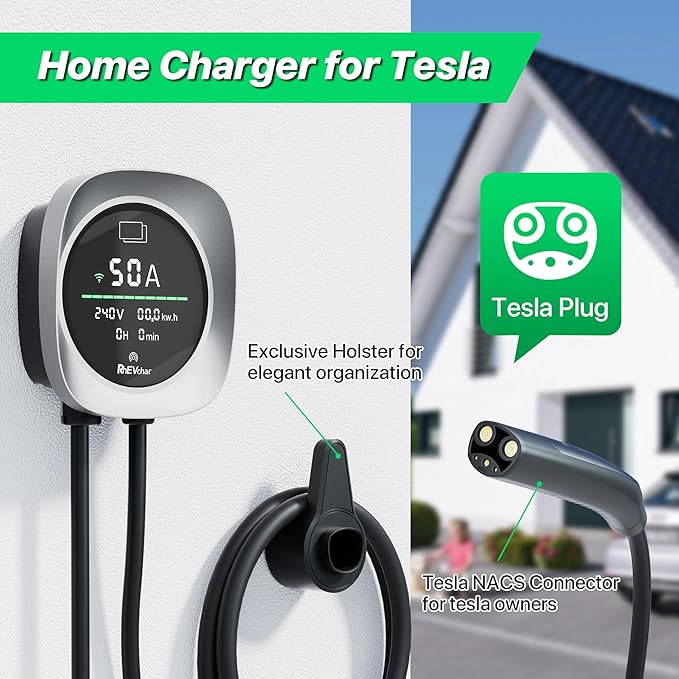
Home Charging Options for Electric Cars
Home charging is a convenient option for many electric car owners. Installing a Level 2 charging station at home can significantly reduce charging time compared to using a standard household outlet. Many electric car manufacturers offer home charging solutions, and there are also various third-party providers.
| Charging Method | Charging Time | Cost |
|---|---|---|
| Level 1 (120V) | 12-24 hours | $300-$500 (installation) |
| Level 2 (240V) | 4-8 hours | $500-$1,000 (installation) |
| DC Fast Charging | Under 30 minutes (to 80%) | Public; cost varies by provider |

As the infrastructure continues to expand, it is becoming increasingly convenient for individuals to own and operate electric vehicles. The growth in charging infrastructure is a critical factor in the widespread adoption of electric cars, addressing one of the primary concerns of potential buyers: range anxiety.
Resale Value and Depreciation
Resale value and depreciation are key considerations for anyone thinking of buying a hybrid or electric car in 2025. Understanding how these factors impact the overall cost of ownership can help buyers make a more informed decision.
Resale Trends for Electric Cars
Electric cars have seen significant growth in popularity, but their resale value can be more unpredictable compared to traditional gasoline-powered vehicles or hybrids. Factors such as battery health, charging infrastructure, and government incentives play a crucial role in determining their resale value.
Some electric cars, like those from Tesla, have been known to hold their value relatively well due to their brand reputation and continuous software updates. However, other models may depreciate faster, especially if they lack advanced features or have limited range.
How Hybrids Hold Their Value
Hybrid vehicles, on the other hand, have a more established resale market. Their ability to offer both fuel efficiency and the familiarity of gasoline engines makes them appealing to a broader range of buyers. As a result, hybrids tend to depreciate at a slower rate compared to some electric cars.
The resale value of hybrids can vary based on factors like the model, brand, and overall condition. Popular hybrid models from reputable manufacturers tend to retain their value better.
| Vehicle Type | Average Resale Value After 3 Years | Average Depreciation Rate |
|---|---|---|
| Hybrid Cars | 55% | 45% |
| Electric Cars | 45% | 55% |
It’s essential for buyers to research the specific models they’re interested in to understand their resale trends. Consulting resources like automotive research websites can provide valuable insights into how different models perform over time.
Safety Features
When considering a new vehicle, safety is a top priority, and both hybrid and electric cars excel in this area. As the automotive industry continues to evolve, manufacturers are incorporating advanced safety features into their vehicles, making them safer for drivers and passengers alike.
Advanced Safety Technologies in Hybrids
Hybrid vehicles are equipped with a range of advanced safety technologies, including lane departure warning systems and automatic emergency braking. These features work together to prevent accidents and reduce the risk of injury. For example, the Toyota Prius, a popular hybrid model, comes standard with Toyota’s Safety Sense suite, which includes features like adaptive cruise control and lane tracing assist.
“The integration of advanced safety features in hybrid vehicles represents a significant step forward in automotive safety,” says
Jack Smith, automotive safety expert. “Manufacturers are leveraging technology to create vehicles that are not only environmentally friendly but also exceptionally safe.”
Safety Ratings for Electric Vehicles
Electric vehicles (EVs) have also garnered impressive safety ratings across various crash tests. The Tesla Model 3, for instance, has received a perfect 5-star safety rating from the National Highway Traffic Safety Administration (NHTSA) and is considered one of the safest cars on the road. Other electric vehicles, such as the Chevrolet Bolt, have also achieved high safety ratings, thanks in part to their robust battery enclosures and advanced safety features.
The safety of electric vehicles is further enhanced by their design, which often includes a lower center of gravity due to the placement of batteries, reducing the risk of rollover accidents. Additionally, EVs are equipped with advanced driver-assistance systems (ADAS) that provide features like blind-spot monitoring and forward collision alert.
In conclusion, both hybrid and electric cars offer advanced safety features that contribute to their strong safety ratings. As the automotive industry continues to innovate, we can expect to see even more sophisticated safety technologies in future models.
Making the Right Choice for You
Your driving habits, budget, and lifestyle are key factors in determining whether a hybrid or electric car is the best fit for you.
Assessing Your Driving Habits
Understanding your daily driving routine is crucial in making a decision. If you have a long commute or frequently drive long distances, the range and charging infrastructure of electric vehicles (EVs) might be a significant consideration.
On the other hand, if your driving is mostly within city limits, a hybrid car might offer the flexibility you need without the range anxiety associated with EVs.
Considering Your Budget and Lifestyle
Your budget plays a significant role in your decision. While electric cars are often more expensive upfront, they can offer savings in the long run through lower fuel and maintenance costs.
Hybrids, on the other hand, may have lower initial costs but could have higher running costs due to fuel consumption.
| Factor | Hybrid Cars | Electric Cars |
|---|---|---|
| Initial Cost | Generally lower | Generally higher |
| Fuel Costs | Lower than conventional, higher than EVs | Significantly lower |
| Maintenance | Similar to conventional cars | Lower due to fewer moving parts |
Ultimately, the choice between a hybrid and an electric car should be based on a thorough assessment of your needs and circumstances. By considering your driving habits, budget, and lifestyle, you can make an informed decision that suits you best.
Future Trends in the Automotive Market
The automotive industry is on the cusp of a significant transformation, driven by technological advancements and shifting consumer preferences. As we look to the future, it’s clear that both hybrid and electric vehicles will play crucial roles in shaping the market.
Innovations in Hybrid Technology
Hybrid technology continues to evolve, with manufacturers improving fuel efficiency and reducing emissions. Advances in battery technology and more efficient engines are making hybrid vehicles an increasingly attractive option for consumers.
Advancements in Electric Cars
Electric cars are gaining traction, with many manufacturers committing to electrify their lineups. Improvements in charging infrastructure and battery range are addressing some of the key concerns associated with electric vehicle adoption.
As the automotive market continues to evolve, staying informed about future trends will be essential for making informed decisions. Whether you’re considering a hybrid or electric vehicle, understanding the latest developments will help you choose the right car for your needs in 2025.