




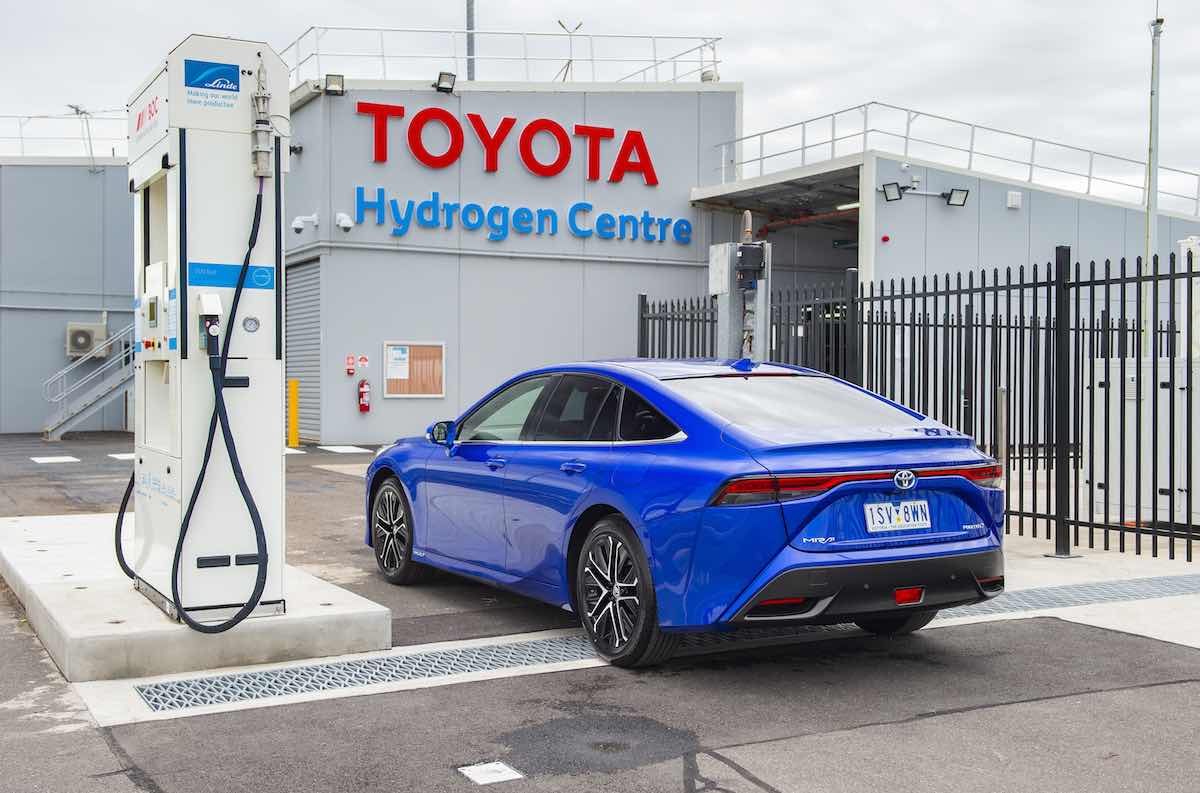
Hydrogen fuel cell cars are reshaping clean mobility. Explore how they work, global adoption, advantages over EVs, costs (USD, GBP, EUR, MYR), and the future of hydrogen-powered vehicles.
Introduction: The Rise of Hydrogen Fuel Cell Cars
As the world transitions toward sustainable transportation, hydrogen fuel cell cars are emerging as a promising alternative to traditional gasoline vehicles and even battery-electric cars. These vehicles use hydrogen gas to generate electricity, producing only water vapor as emissions.
By combining zero tailpipe emissions, fast refueling, and long driving ranges, hydrogen cars may represent the missing piece in achieving a clean mobility revolution—not only in the United States, the UK, and Europe but also in Asia-Pacific markets like Japan, South Korea, and Malaysia.
How Hydrogen Fuel Cell Cars Work
Hydrogen fuel cell vehicles (FCVs) generate electricity through a chemical reaction between hydrogen and oxygen inside a fuel cell stack.
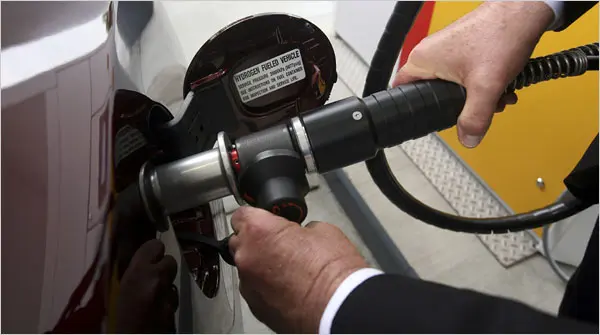
- Fueling Process: Hydrogen is pumped into onboard tanks (at 700 bar / 10,000 psi).
- Power Generation: Hydrogen combines with oxygen in the fuel cell, creating electricity.
- Emissions: Only water vapor and warm air are released.
This makes hydrogen cars both efficient and environmentally friendly.
Watch This Video
Hydrogen Fuel Cell Cars Available Today
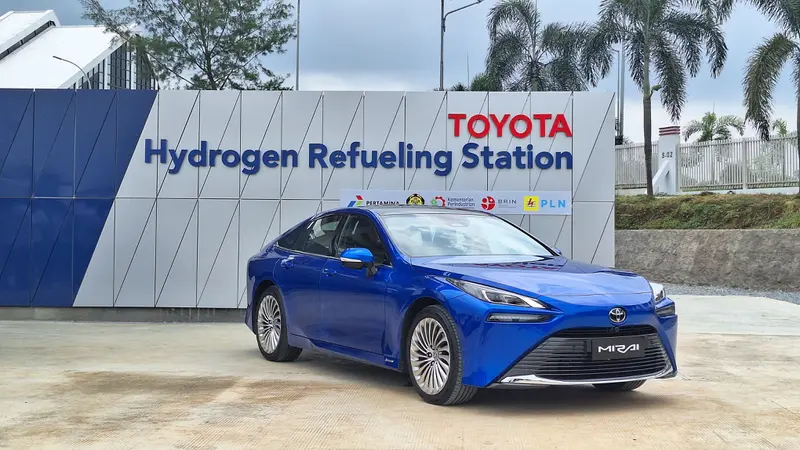
1. Toyota Mirai
- Price: From USD 50,000 (≈ GBP 39,000 / EUR 46,000 / MYR 235,000).
- Range: Up to 402 miles (647 km).
- Highlight: Pioneer hydrogen sedan with sleek design and spacious interior.
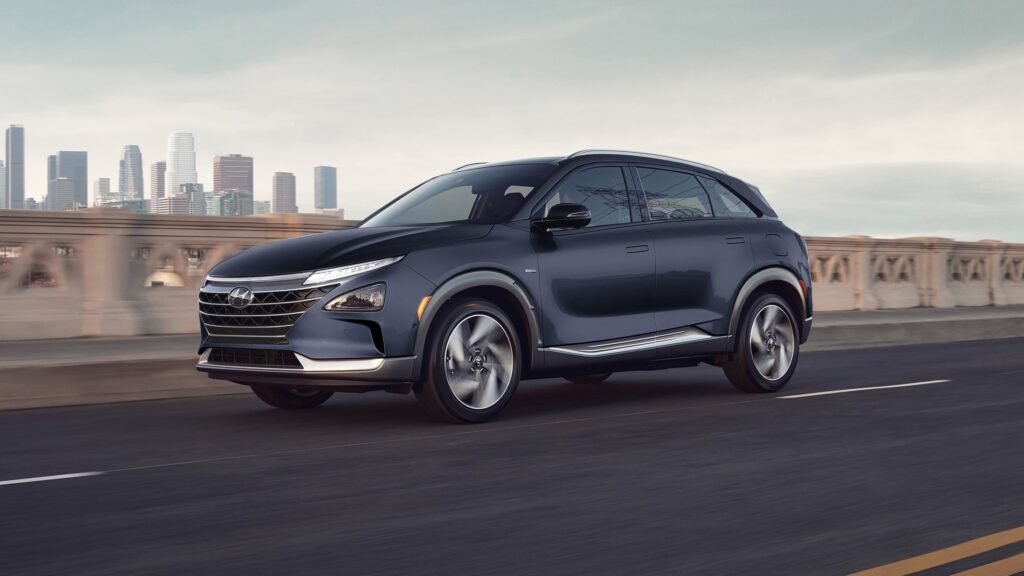
2. Hyundai Nexo
- Price: From USD 59,000 (≈ GBP 46,000 / EUR 54,000 / MYR 277,000).
- Range: 380 miles (612 km).
- Highlight: SUV format with advanced driver-assist features.
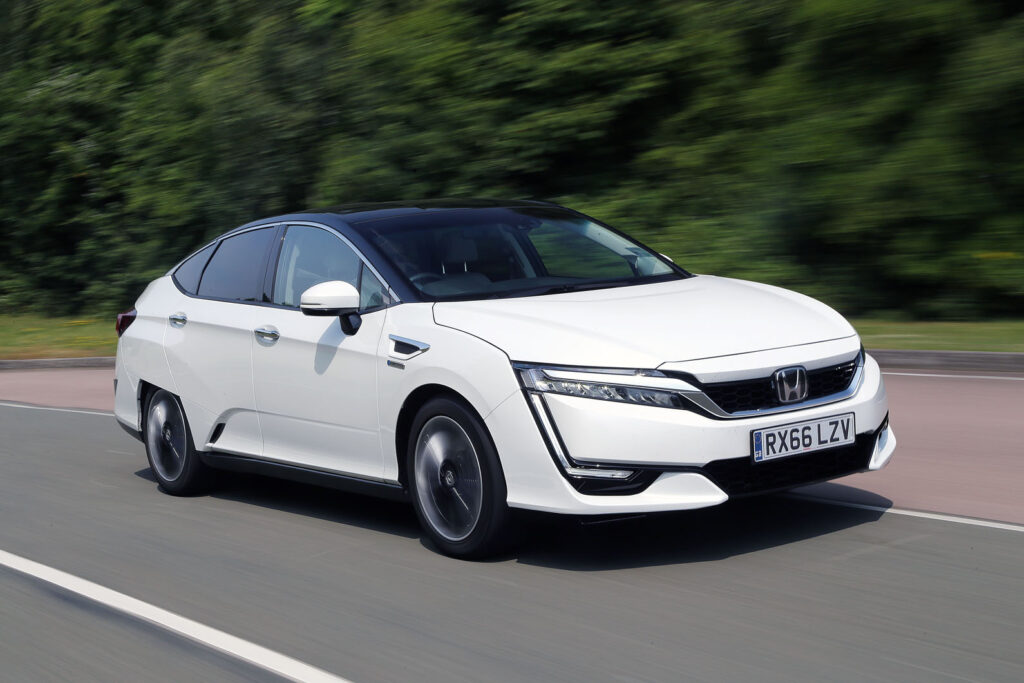
3. Honda Clarity Fuel Cell (limited markets)
- Price: Approx. USD 58,000 (≈ GBP 45,000 / EUR 53,000 / MYR 273,000).
- Range: 360 miles (579 km).
- Highlight: Focused on California and Japan markets.
Advantages of Hydrogen Fuel Cell Cars
- Zero Emissions: Only water vapor produced.
- Fast Refueling: 3–5 minutes vs. 30–60 minutes for EV fast charging.
- Long Range: Comparable or better than many battery EVs.
- Lightweight Efficiency: Hydrogen tanks weigh less than large EV batteries.
- Energy Security: Hydrogen can be produced from multiple sources (natural gas, water electrolysis, biomass).
Challenges Facing Hydrogen Cars
- High Cost of Vehicles: Typically USD 50,000+ (≈ GBP 39,000 / EUR 46,000 / MYR 235,000).
- Limited Refueling Stations: Mostly available in Japan, South Korea, California, and parts of Europe.
- Hydrogen Production Footprint: If produced from fossil fuels, hydrogen is not fully green.
- Infrastructure Investment: Requires billions in fueling station development.
Hydrogen vs. Battery-Electric Cars: A Global Comparison
| Feature | Hydrogen Fuel Cell Cars | Battery-Electric Cars |
|---|---|---|
| Refueling/Charging Time | 3–5 mins | 30 mins–12 hrs |
| Driving Range | 350–400 miles (560–640 km) | 200–350 miles (320–560 km) |
| Infrastructure | Limited (few hundred stations worldwide) | Expanding rapidly (millions of chargers globally) |
| Emissions | Water vapor | Zero tailpipe (but battery production has footprint) |
| Cost | Higher (USD 50,000+) | Wider range (USD 25,000–100,000) |
Global Hydrogen Infrastructure Developments
Japan & South Korea
- Global leaders in hydrogen adoption.
- Government-backed hydrogen refueling networks expanding nationwide.
United States (California Focus)
- California hosts over 60 hydrogen fueling stations.
- Federal incentives aim to expand hydrogen corridors.
Europe
- Germany leads with over 100 public hydrogen stations.
- EU’s Hydrogen Strategy targets 40 GW of electrolyzer capacity by 2030.
Malaysia & Southeast Asia
- Pilot projects in Malaysia under Hydrogen Economy and Technology Roadmap (HETR).
- Partnerships with Japan and Korea to test hydrogen-powered buses and vehicles.
Hydrogen Fuel Cell Cars and the Green Economy
Hydrogen cars are part of a larger hydrogen economy that could reshape industries:
- Heavy Transport: Hydrogen is ideal for trucks, buses, and trains due to its high energy density.
- Energy Storage: Excess renewable energy can be converted into hydrogen for later use.
- Industrial Uses: Steelmaking, shipping, and aviation are exploring hydrogen adoption.
This broader application may drive costs down, making hydrogen fuel cell cars more affordable in the long run.
Future Outlook: Are Hydrogen Cars the Next Big Shift?
Analysts predict that while battery EVs will dominate passenger cars, hydrogen fuel cell cars will carve out strong niches in:
- Long-distance driving markets.
- Fleet vehicles (taxis, ride-hailing, logistics).
- Regions with strong hydrogen infrastructure investments (Japan, Korea, Germany, California).
By 2035, global hydrogen vehicle sales could exceed 2.5 million annually, provided governments and industries continue heavy infrastructure support.
Conclusion: Hydrogen Cars Powering a Clean Future
Hydrogen fuel cell cars represent a bold step toward a zero-emission future. While challenges remain—especially infrastructure and cost—their fast refueling, long range, and clean output make them a compelling solution alongside battery-electric vehicles.
As governments, automakers, and energy companies invest in hydrogen, the dream of a hydrogen-powered mobility ecosystem is becoming more realistic. In the journey toward clean transportation, hydrogen fuel cell cars may indeed power a cleaner, greener future.