




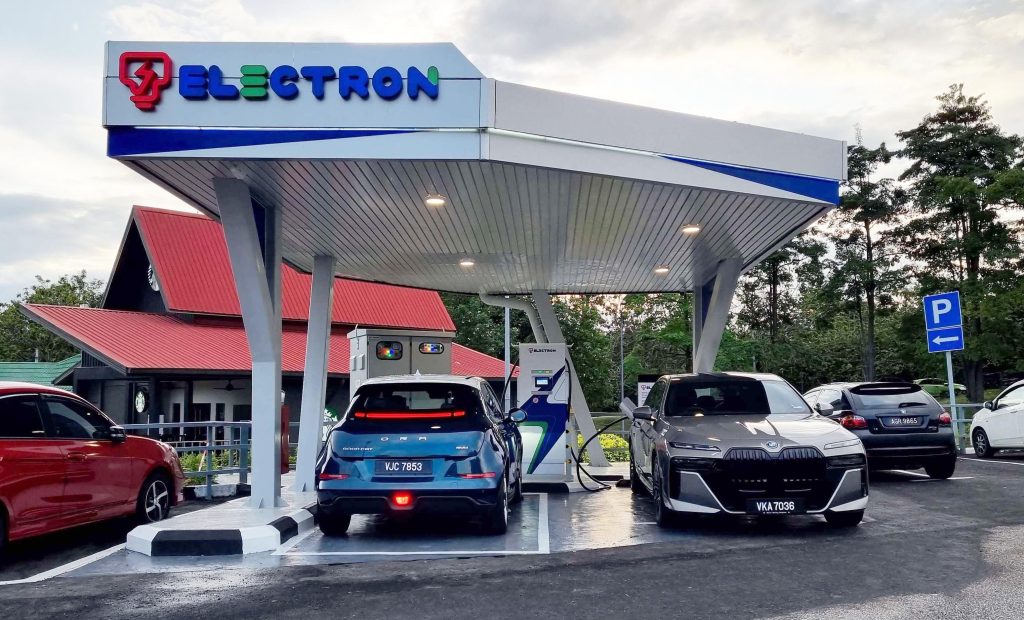
PLUS Malaysia has surpassed its 2025 target with 112 EV charging points across PLUS and LPT2 highways. Learn about fast charging, solar-powered hubs, expansion to 350 chargers by 2028, and Malaysia’s first highway EV hub at Seremban R&R.
Introduction: Malaysia’s Highways Go Electric
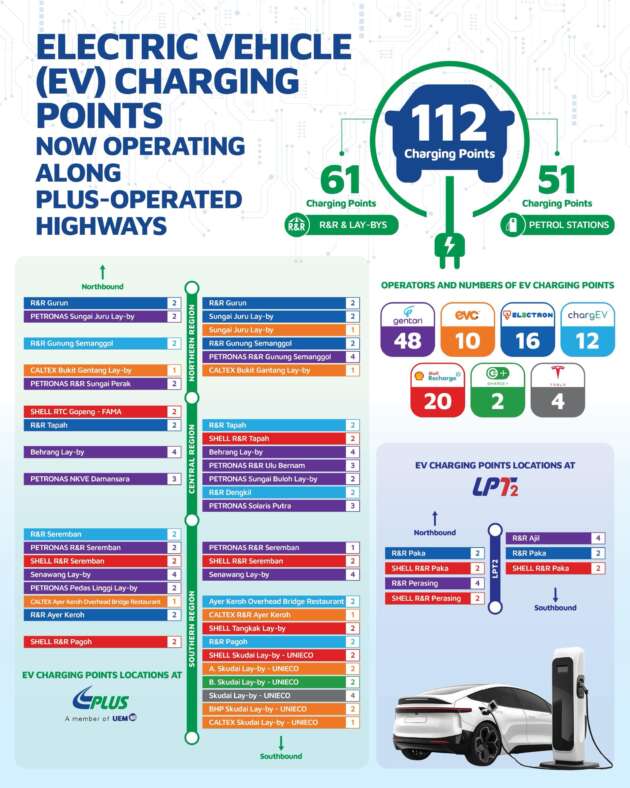
Electric vehicle adoption is accelerating in Malaysia, and one of the biggest enablers of this transition is the expansion of EV charging infrastructure along highways. On June 30, 2025, PLUS Malaysia announced that it has successfully deployed 112 EV charging points across the PLUS Expressway and Lebuhraya Pantai Timur 2 (LPT2).
This achievement surpasses its original goal of 100 charging points by the end of 2025 and reflects PLUS Malaysia’s commitment under the PLUS Green Roadmap 2.0 and the Low Carbon Mobility Development Plan (2021–2030). With advanced solar roofing, battery storage, and fast-charging capabilities, Malaysia’s highways are rapidly becoming EV-friendly.
112 EV Charging Points: A Milestone in Green Mobility
As of June 2025, the breakdown of EV charging infrastructure along PLUS and LPT2 is as follows:
- 61 charging points at Rest & Service Areas (R&Rs).
- 51 charging points located within petrol stations.
All chargers installed are DC fast chargers (DCFCs), delivering outputs between 47 kW and 200 kW, and equipped with universal CCS2 connectors for compatibility with most EVs on the market.
Fast Charging Speeds
- Up to 80% charge within 15–30 minutes, depending on the EV model and state of charge.
- Designed to minimize downtime for long-distance travelers.
PLUS Green Roadmap 2.0 and Sustainable Features
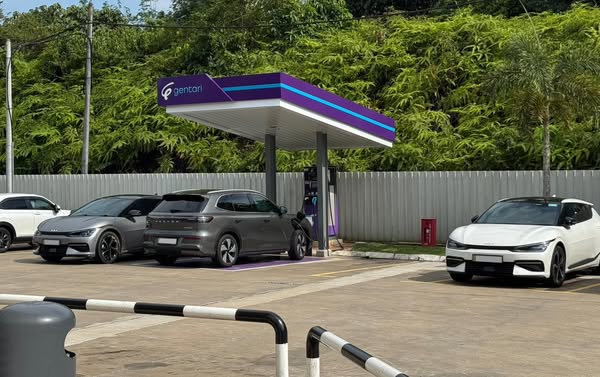
PLUS Malaysia’s EV infrastructure is not just about speed—it’s also about sustainability.
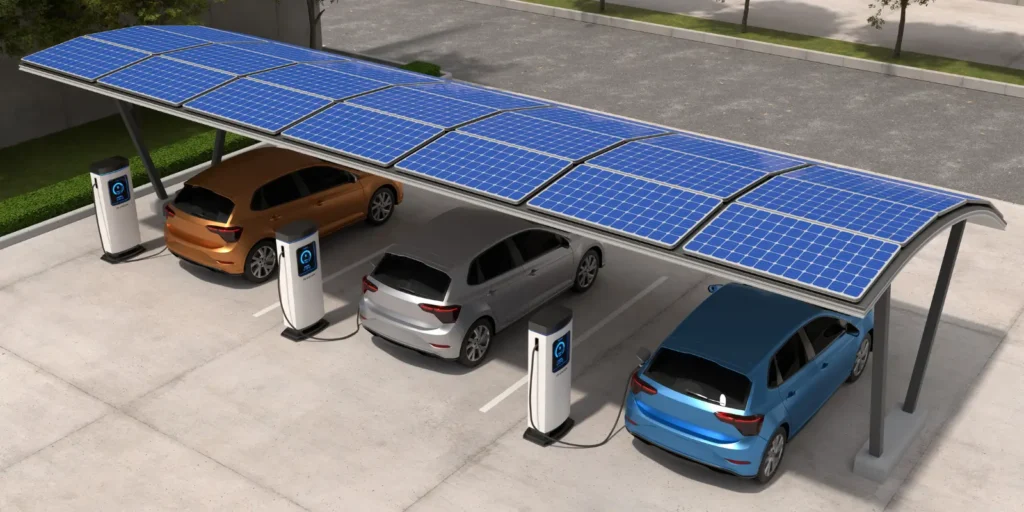
- Solar panel roofing helps reduce grid dependency.
- Battery Energy Storage Systems (BESS) provide stable energy delivery and support renewable integration.
- Initiative contributes to Malaysia’s target of 1,000 DC fast charging points by 2025.
Datuk Nik Airina Nik Jaffar, PLUS Malaysia’s managing director, emphasized that this initiative demonstrates the company’s commitment to low-carbon mobility and positions Malaysia as a regional leader in highway EV infrastructure.
First EV Hub at Seremban R&R (Southbound) by Q1 2027
One of the most exciting announcements is the launch of Malaysia’s first dedicated highway EV hub, located at Seremban R&R Southbound.
- Led by Terra ChargEV, a joint venture between PLUS subsidiary Terra PLUS and Green EV Charge.
- Opening Timeline: Q1 2027.
- Designed as a comprehensive EV ecosystem hub with multiple high-capacity chargers, solar integration, and traveler amenities.
This EV hub aims to set a new standard for rest-stop experiences, combining fast charging with food, beverage, and leisure options for EV drivers.
Future Expansion: 350 Charging Points by 2028
PLUS Malaysia is not stopping at 112 chargers. Plans include:
- 350 EV charging points operational by 2028 across highways.
- “Charge and Chill” branded facilities at selected toll plazas beginning in 2025, combining charging stations with F&B and lifestyle conveniences.
- Long-term roadmap includes integration with renewable energy and enhanced user experiences for EV owners.
EV Charging in Malaysia: Global Context
Malaysia’s highway charging expansion puts it in line with global EV infrastructure trends:
- United States: Tesla Superchargers and Electrify America expanding rapidly across interstates.
- Europe: Ionity network with ultra-fast 350 kW chargers along trans-European routes.
- United Kingdom: Gridserve and motorway service stations are scaling EV hubs.
- Southeast Asia: Singapore, Thailand, and Indonesia are scaling cross-border charging to boost EV tourism and trade.
By aligning with these standards, Malaysia is ensuring cross-compatibility for international EV travelers and building confidence among new EV buyers.
Advantages of PLUS and LPT2 EV Charging Expansion
- Faster Long-Distance Travel: Enables EV users to travel confidently across Malaysia’s busiest highways.
- Lower Range Anxiety: Chargers at both R&Rs and petrol stations ensure better coverage.
- Eco-Friendly Rest Stops: Solar and BESS integration make charging cleaner and greener.
- Support for Tourism & Trade: Enhances connectivity for local and cross-border EV travel.
Challenges and Considerations
- Charger Availability at Peak Hours: High travel seasons may lead to waiting times.
- Electric Grid Readiness: Continuous investments in grid infrastructure are needed.
- Tariffs and Pricing: Cost of charging may vary depending on electricity tariffs.
- EV Adoption Rates: Infrastructure rollout must match Malaysia’s EV ownership growth.
What This Means for EV Drivers in Malaysia
- A smoother highway driving experience with reduced charging downtime.
- Assurance of future-proof infrastructure supporting both today’s EVs and tomorrow’s high-capacity models.
- The 2027 Seremban R&R hub could become a benchmark EV rest stop in Southeast Asia.
Conclusion: Driving Malaysia’s EV Future Forward
With 112 EV charging points now active and plans for Malaysia’s first highway EV hub by 2027, PLUS Malaysia is firmly steering the country toward a sustainable and electrified transport future.
By 2028, with 350 charging points and “Charge and Chill” lifestyle hubs, highway EV charging in Malaysia will not only be faster but also more convenient and enjoyable. This milestone reflects Malaysia’s growing role in the regional EV ecosystem, ensuring its highways are ready for the next generation of mobility.