

Discover the timeless legacy of the Porsche 911, a sports car icon that blends heritage, performance, and innovation. From its 1963 debut to modern hybrid concepts, learn why the Porsche 911 remains the ultimate driver’s car worldwide.
Porsche 911 – A Sports Car Icon That Stands the Test of Time
Few cars in automotive history have achieved the legendary status of the Porsche 911. Launched in 1963, this masterpiece from Stuttgart has become synonymous with precision engineering, breathtaking performance, and timeless design. Unlike fleeting trends in the car industry, the Porsche 911 has evolved while staying true to its original DNA — a rear-engine layout, distinctive silhouette, and driver-focused character.
Today, the 911 isn’t just a car; it’s a cultural icon, equally at home on racetracks, autobahns, and city streets around the world. Let’s dive into the fascinating journey of how the Porsche 911 became “the legend behind the wheel.”
The Birth of a Legend: 1963 and Beyond
When Ferdinand “Butzi” Porsche unveiled the original Porsche 901 (later renamed 911 due to Peugeot’s trademark dispute), few could have predicted its monumental impact. With a 2.0-liter flat-six engine producing 130 hp, the car offered both elegance and raw driving pleasure.
- Year Introduced: 1963 at the Frankfurt Motor Show
- Engine: Air-cooled flat-six
- Performance: 0–100 km/h (0–62 mph) in ~9 seconds, top speed 210 km/h (130 mph)
The first 911 set the foundation for Porsche’s racing dominance, quickly becoming a staple in motorsports like Le Mans, Monte Carlo Rally, and endurance racing.
The History of the Porsche 911: From 1963 to Today
The Porsche 911 has been in continuous production for more than six decades, making it one of the longest-running nameplates in automotive history. Here’s a look at its remarkable journey through the generations:
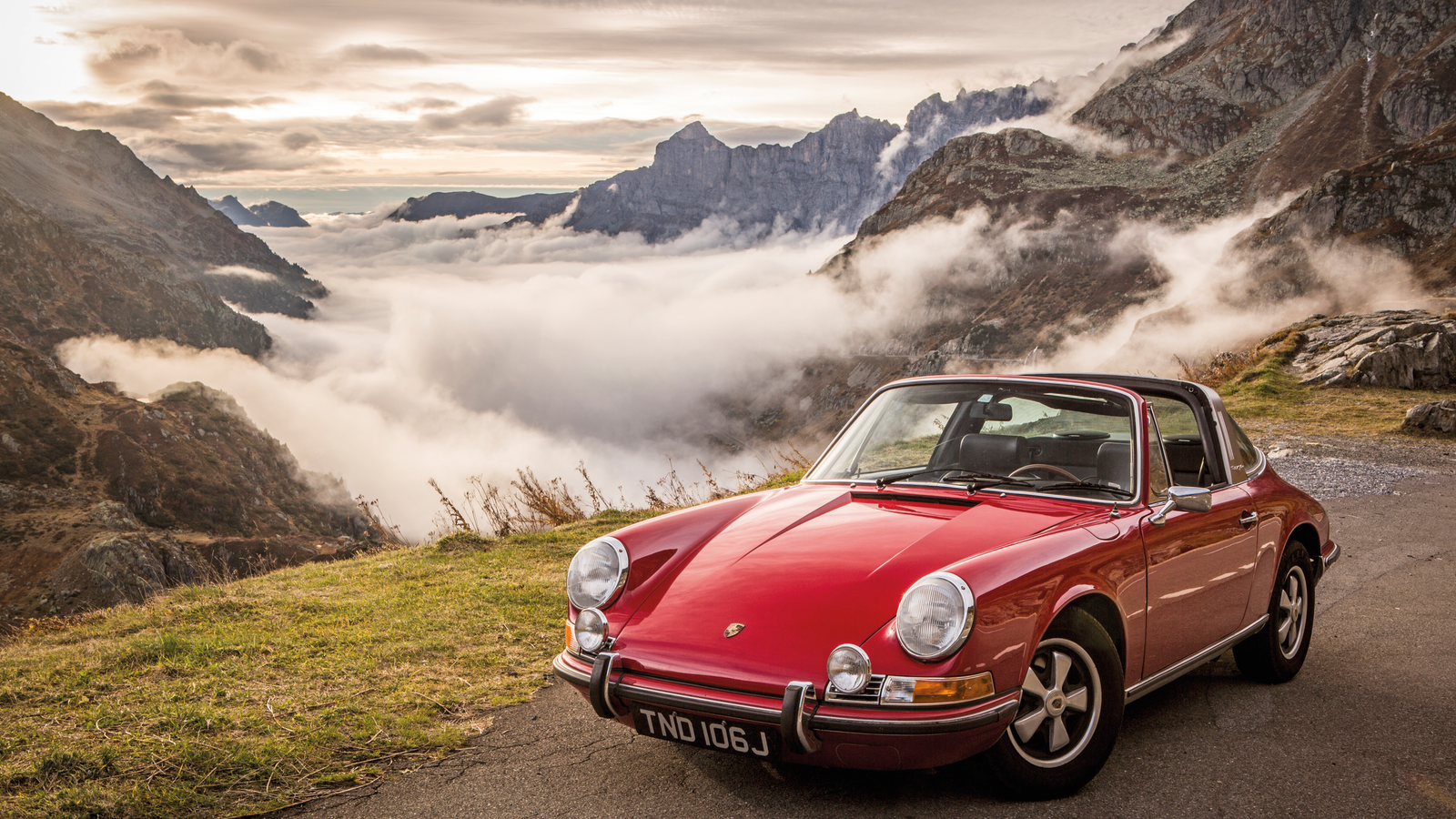
1963 – 1973: The Birth of the 911 (Original Series, 901/911)
- Originally introduced as the Porsche 901 at the 1963 Frankfurt Motor Show, the model was quickly renamed 911 after Peugeot objected to the “901” naming rights.
- Featured a 2.0L flat-six engine with 130 hp.
- Early variants included the 911 T, E, and S, each offering more performance and refinement.
1973 – 1989: The G-Series and the Turbo Revolution
- The G-Series 911 brought major safety upgrades like impact bumpers and better crash protection.
- In 1975, Porsche launched the 911 Turbo (930) — a turbocharged 3.0L monster producing 260 hp. It was one of the fastest cars of its era and earned the nickname “The Widowmaker” due to its challenging handling.
1989 – 1994: The 964 Generation
- Porsche introduced modern features like ABS brakes, power steering, and all-wheel drive.
- The Carrera 4 and Carrera 2 set the template for future models.
1994 – 1998: The 993 Generation (The Last Air-Cooled)
- Widely regarded as the most beautiful 911 ever made.
- Marked the end of the air-cooled era and introduced multi-link rear suspension for improved handling.
- Highly collectible today.
1998 – 2004: The 996 Generation (Water-Cooled Era Begins)
- A controversial step — Porsche moved to water-cooled engines for the first time.
- Introduced a more modern, aerodynamic body but faced criticism for its “fried egg” headlights.
- Despite mixed reviews, it saved Porsche financially and laid the groundwork for the brand’s future.
2004 – 2011: The 997 Generation
- Brought back classic styling cues, pleasing purists.
- Offered powerful versions like the GT2 RS and 911 Turbo S, cementing its supercar-killer reputation.
2011 – 2019: The 991 Generation
- Larger and more luxurious, yet faster and more refined.
- First 911 to feature turbocharged engines across the Carrera lineup (post-2016 facelift).
- Track-focused legends like the GT3 RS and 911 R were born.
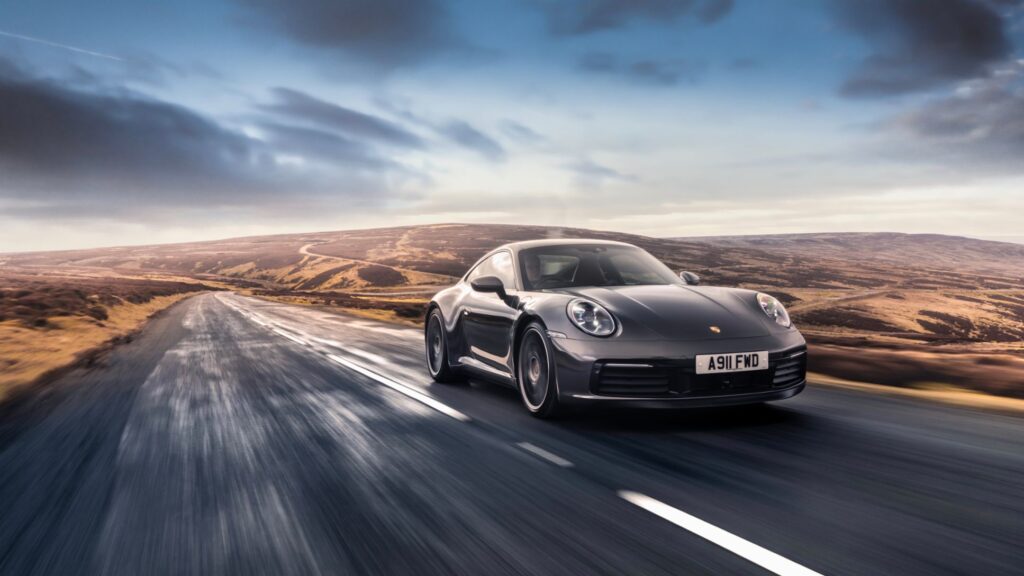
2019 – Present: The 992 Generation
- The most advanced 911 yet, blending digital technology with classic analog driving pleasure.
- Models like the 911 Turbo S (641 hp) and GT3 RS push boundaries on both road and track.
- Porsche has confirmed the next step includes hybrid power, ensuring the 911 adapts to future mobility without losing its soul.
Watch this video:
Engineering Excellence: How the Porsche 911 Defined Performance
Unlike most rivals, the 911’s rear-engine design gave it unmatched traction and agility. While critics initially doubted this unusual setup, Porsche engineers perfected it with innovations like wider rear tires, advanced suspension, and later, electronic stability systems.
Key Performance Highlights Over the Decades:
- 1970s – Turbo Era: The 911 Turbo (930) shocked the world with a turbocharged 3.0-liter engine, pushing out 260 hp.
- 1990s – The Air-Cooled Swan Song: The 993 generation became the last air-cooled 911, cementing its status among collectors.
- 2000s – Water-Cooled Evolution: The 996 introduced water cooling, offering more efficiency while retaining Porsche soul.
- Today: The 992 generation pushes performance even further, with the Turbo S boasting 641 hp and a 0–100 km/h sprint in just 2.7 seconds.
Design That Never Ages
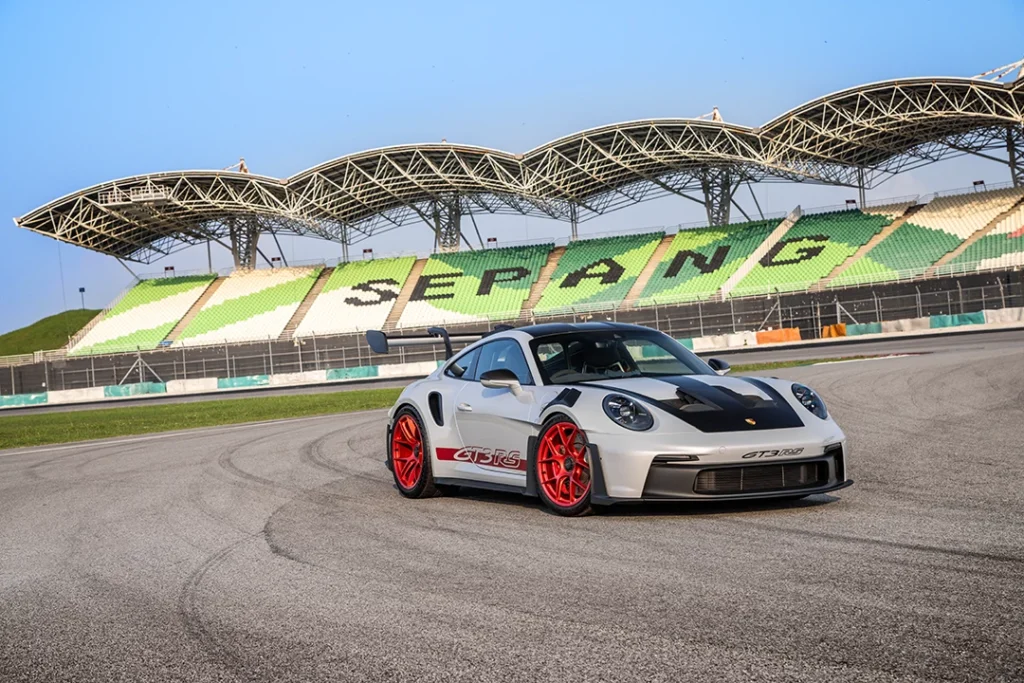
One of the most remarkable aspects of the Porsche 911 is its timeless design. While it has evolved through eight generations, the 911 still retains its instantly recognizable profile — sloping roofline, wide stance, and signature round headlights.
Modern touches like LED matrix headlights, wider wheel arches, and digital interiors blend tradition with cutting-edge luxury, making it equally appealing to enthusiasts and new buyers alike.
Porsche 911 in Motorsports: The Track Legend
The 911 isn’t just a road car — it’s a racing weapon. From the 911 RSR to the GT3 Cup cars, Porsche has proven the platform’s versatility. Notably, the 911 has:
- Won class victories at Le Mans 24 Hours more than any other sports car.
- Dominated the Monte Carlo Rally in the 1960s and 70s.
- Served as the foundation for GT racing worldwide.
This motorsport pedigree has directly influenced the road cars, ensuring that every 911 owner experiences a piece of racing DNA behind the wheel.
The Modern Porsche 911: Balancing Heritage and Innovation
Today’s Porsche 911 (992 generation) blends luxury, technology, and raw performance. Some key highlights include:
- Engines: Turbocharged flat-six engines producing 379 hp (Carrera) to 641 hp (Turbo S).
- Transmission: 8-speed dual-clutch PDK or 7-speed manual for purists.
- Interior: Digital driver display, Porsche Communication Management (PCM), and luxurious leather options.
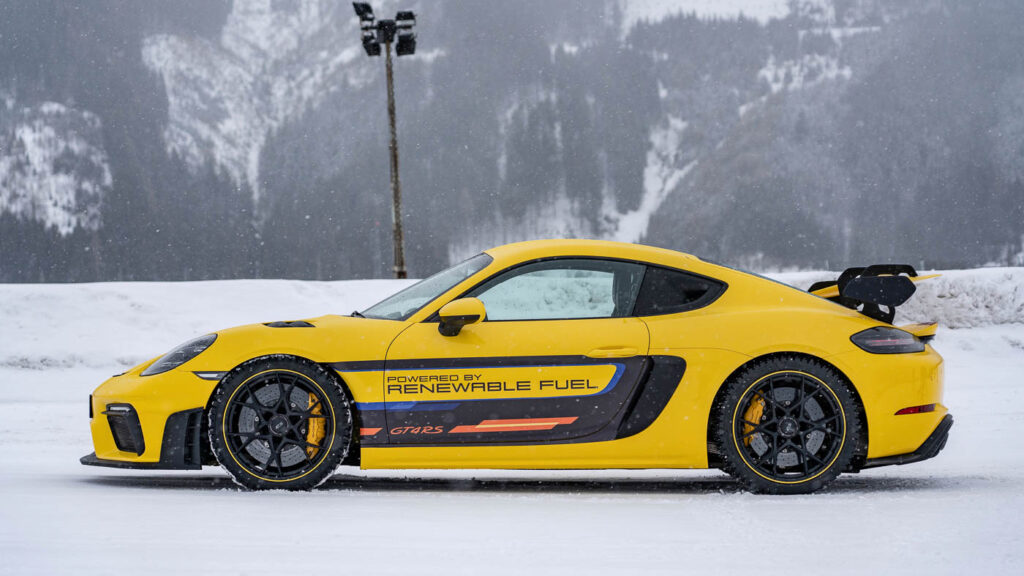
- Sustainability: Porsche is developing hybrid and e-fuel compatible versions of the 911 to ensure longevity in a carbon-conscious era.
Global Appeal: A True World Icon
Whether in Los Angeles, London, Kuala Lumpur, or Berlin, the Porsche 911 is a universal symbol of success and driving passion.
- Price Range: Starts at around USD $122,000 / EUR €111,000 / GBP £94,000 / MYR RM570,000 (depending on taxes and spec).
- Collectibility: Classic models like the 911 Carrera RS 2.7 or the 930 Turbo often fetch over USD $500,000 at auctions.
Why the Porsche 911 Remains the Legend Behind the Wheel
In an automotive world rapidly shifting towards electrification and autonomous driving, the Porsche 911 remains a beacon of driver engagement. It is more than just transport — it’s an emotion, a heritage, and an engineering marvel that has connected generations of enthusiasts.
As Porsche looks to the future with hybrid powertrains and synthetic e-fuels, the 911 promises to remain the ultimate driver’s car for decades to come.
Conclusion
The Porsche 911 is not just a car; it’s a story of persistence, innovation, and passion. From racetracks to city streets, it embodies what makes driving truly special. And as Porsche adapts to modern challenges, one thing is certain — the legend behind the wheel is here to stay.