




As the temperature rises, vehicle maintenance becomes crucial to ensure your vehicle runs smoothly throughout the hot weather.
Hot weather can take a toll on your vehicle’s performance and longevity. Prolonged exposure to the sun can cause the exterior to fade and the interior to degrade.
By following simple summer car care tips, you can prevent damage and maintain your vehicle’s overall health.
Key Takeaways
- Check your vehicle’s fluids regularly.
- Ensure proper tire pressure.
- Protect your vehicle’s exterior from the sun.
- Maintain a clean interior.
- Schedule regular maintenance checks.
The Importance of Summer Car Care
As the temperature rises, the importance of summer car maintenance becomes increasingly clear. Ensuring your vehicle is well-maintained is crucial for its performance and longevity during the hot weather months.
Why Regular Maintenance Matters
Regular maintenance is the backbone of vehicle care, helping to prevent unexpected breakdowns and costly repairs. By staying on top of maintenance tasks, you can ensure your car continues to run efficiently and safely throughout the summer.
Some key aspects of regular maintenance include checking and replacing fluids, inspecting tire condition, and ensuring all systems are functioning properly. Neglecting these tasks can lead to decreased performance and potentially leave you stranded.
The Impact of Heat on Your Vehicle
High temperatures can cause significant stress to your vehicle’s components. For instance, engine oil can degrade faster in hot weather, losing its lubricating properties and potentially causing engine damage. Similarly, rubber components such as belts and hoses can deteriorate more quickly, increasing the risk of failure.
The heat also affects your vehicle’s cooling system, making it work harder to maintain a safe engine temperature. Ensuring your cooling system is in good condition is vital to preventing overheating and the associated risks.
Checking and Maintaining Your Fluids
Proper fluid maintenance is key to keeping your vehicle running efficiently during the hot summer months. As temperatures soar, your vehicle’s fluids play a crucial role in its overall performance and longevity.
Engine Oil: Keeping It Fresh
Engine oil is the lifeblood of your vehicle’s engine. It lubricates moving parts, prevents corrosion, and helps to cool the engine. Checking your engine oil regularly is essential, especially during summer when the heat can cause it to degrade faster. Make sure to check your oil level at least once a month, and consider having it changed according to your vehicle’s maintenance schedule.
Coolant Levels: Be Prepared for High Temperatures
The cooling system is vital for preventing your engine from overheating. Check your coolant level regularly to ensure it’s at the recommended level. Also, inspect the coolant’s condition; it should be a bright green or yellow color. If it’s dirty or at a low level, top it off or change it as needed. A well-maintained cooling system will help prevent costly repairs down the road.
As
“A well-maintained cooling system is crucial for engine longevity.”
This is especially true during the summer when the engine is under more stress due to higher temperatures.
Brake Fluid: Safety First
Brake fluid is another critical fluid that requires regular checks. It operates under high pressure and temperature, making it prone to degradation. Low brake fluid levels can lead to brake failure, which is a serious safety risk. Check your brake fluid level regularly and top it off as necessary. If you notice it’s consistently low, there might be a leak in the brake system that needs to be addressed.
Maintaining your vehicle’s fluids is a straightforward process that can significantly impact your vehicle’s performance and safety. By keeping your engine oil fresh, coolant levels adequate, and brake fluid at the right level, you’ll be well on your way to enjoying a smooth and safe summer drive.
Tire Care for Hot Weather
Summer driving requires a focus on tire care to ensure safety and efficiency. As temperatures soar, the condition of your tires can significantly impact your vehicle’s performance and safety on the road.
Checking Tire Pressure: A Key Safety Measure
One of the most critical aspects of tire care is maintaining the correct tire pressure. Underinflated tires can lead to reduced fuel efficiency, increased tire wear, and a higher risk of tire failure. It’s essential to check your tire pressure at least once a month and before long trips. Use a reliable tire pressure gauge and refer to your vehicle’s owner’s manual for the recommended pressure levels.
Inspecting Tread Life: Are Your Tires Ready?
The tread depth of your tires is another vital factor in ensuring your safety on the road. Worn-out tires can lead to reduced traction and increased stopping distances. You can check your tread depth using a penny; insert the penny into the tire groove with Lincoln’s head facing down. If you can see the top of Lincoln’s head, your tread is worn out, and it’s time to replace your tires.
Rotating Tires: Enhancing Longevity
Regular tire rotation is crucial for achieving even tread wear and extending the life of your tires. The frequency of rotation depends on your vehicle’s manufacturer recommendations, but a common interval is every 6,000 to 8,000 miles. Proper rotation can help maintain your vehicle’s handling and traction.
| Tire Care Activity | Frequency | Benefits |
|---|---|---|
| Check Tire Pressure | Monthly | Improved Safety, Fuel Efficiency |
| Inspect Tread Depth | Every Oil Change | Enhanced Traction, Safety |
| Rotate Tires | Every 6,000 – 8,000 Miles | Even Tread Wear, Longer Tire Life |
Battery Maintenance During Summer
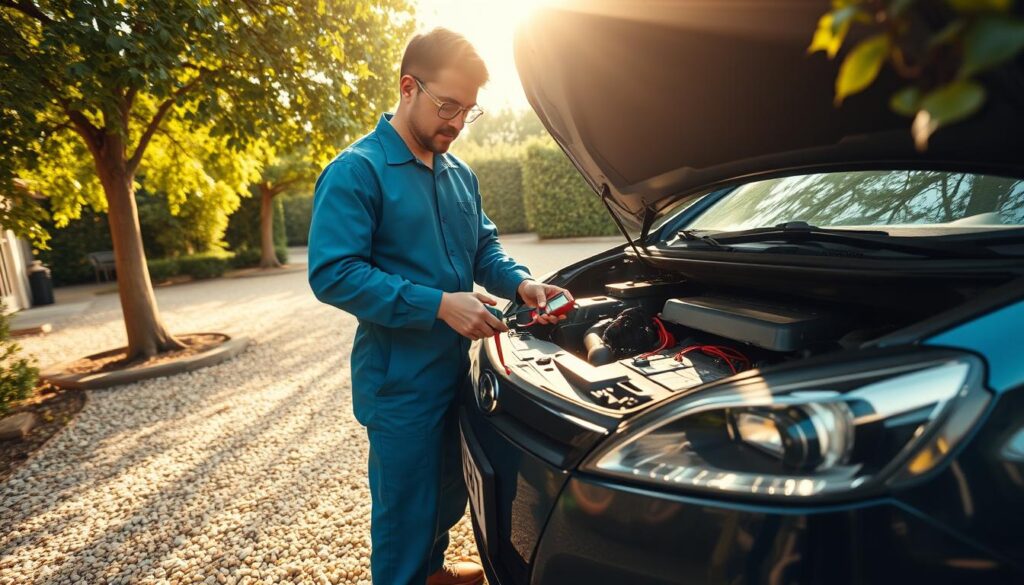
Summer heat can be harsh on your car’s battery, making regular maintenance essential. High temperatures can cause the battery fluid to evaporate, leading to damage and potentially leaving you stranded.
Inspecting Battery Health: Avoiding Surprises
Regularly inspecting your battery’s health is crucial during summer. Check the battery terminals for signs of wear and corrosion. A simple visual inspection can help identify potential issues before they become major problems.
Key indicators of battery health include:
- The age of the battery
- Condition of the terminals
- Battery voltage
Cleaning Corrosion: Keeping Your Connection Strong
Corrosion on the battery terminals can disrupt the electrical connection and cause your vehicle to malfunction. Cleaning the terminals with a mixture of baking soda and water can help remove corrosion. Ensure the terminals are dry before reconnecting.
“A clean battery is a happy battery,” as the saying goes, and it’s especially true during the hot summer months when electrical systems are under more stress.
Temperature Effects: Considering Summer Heat
High temperatures can accelerate chemical reactions within the battery, leading to a faster discharge rate. It’s essential to park your vehicle in shaded areas when possible and avoid extreme temperatures to prolong battery life.
“Extreme temperatures, either hot or cold, can significantly affect battery performance and longevity.”
Understanding these effects can help you take proactive steps to maintain your battery’s health throughout the summer.
Air Conditioning Check-Up
Ensuring your car’s air conditioning system is in top condition is crucial for both comfort and safety during the hot summer months. A well-functioning air conditioning system not only keeps you cool but also helps in reducing driver fatigue on long trips.
Recognizing Signs of AC Problems
Before the heat becomes unbearable, it’s essential to recognize the signs that your car’s air conditioning system might be failing. These signs include:
- Reduced airflow from the vents
- Warm air blowing from the AC vents
- Unusual noises when the AC is turned on
- Water leakage inside the car
- Unpleasant odors coming from the vents
If you notice any of these symptoms, it’s a clear indication that your air conditioning system needs a check-up.
Tips for Attending to Your AC System
Maintaining your car’s air conditioning system can be straightforward if you follow a few simple tips:
- Regularly check the refrigerant level: Low refrigerant can cause the AC to malfunction.
- Inspect the AC filters: Dirty filters can reduce the efficiency of your AC.
- Run the AC regularly: Even in cold weather, running the AC for a few minutes can help maintain the system’s health.
- Have a professional inspection: Annual inspections by a professional can help identify potential issues before they become major problems.
Staying Cool: Importance of Cabin Comfort
Cabin comfort is not just about luxury; it’s also about safety. A comfortable driver is a more alert and focused driver. Moreover, a well-maintained air conditioning system can enhance the overall driving experience, making long trips more enjoyable.
Here’s a quick comparison of the benefits of a well-maintained AC system versus a neglected one:
| Benefits | Well-Maintained AC | Neglected AC |
|---|---|---|
| Driver Comfort | Enhanced comfort, reduced fatigue | Discomfort, increased fatigue |
| Safety | Improved driver alertness | Reduced driver alertness |
| Efficiency | Optimal cooling performance | Reduced cooling performance |
Exterior Care and Protection
Protecting your vehicle’s exterior is crucial during the summer months when the sun’s rays are strongest. The exterior of your car is exposed to various elements, including UV rays, dust, and heat, which can cause damage over time.
Washing and Waxing: Defending Against Sun Damage
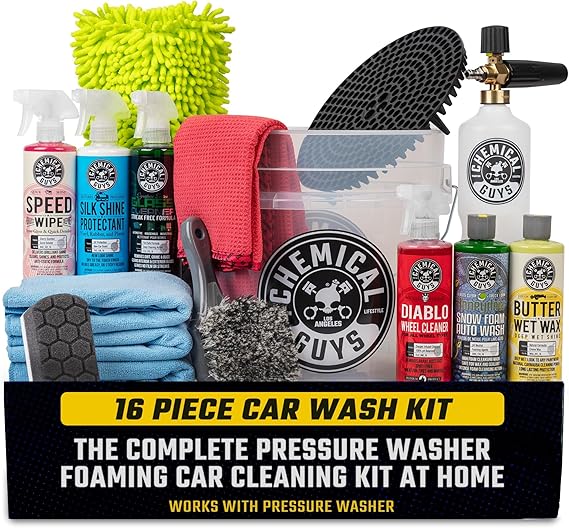
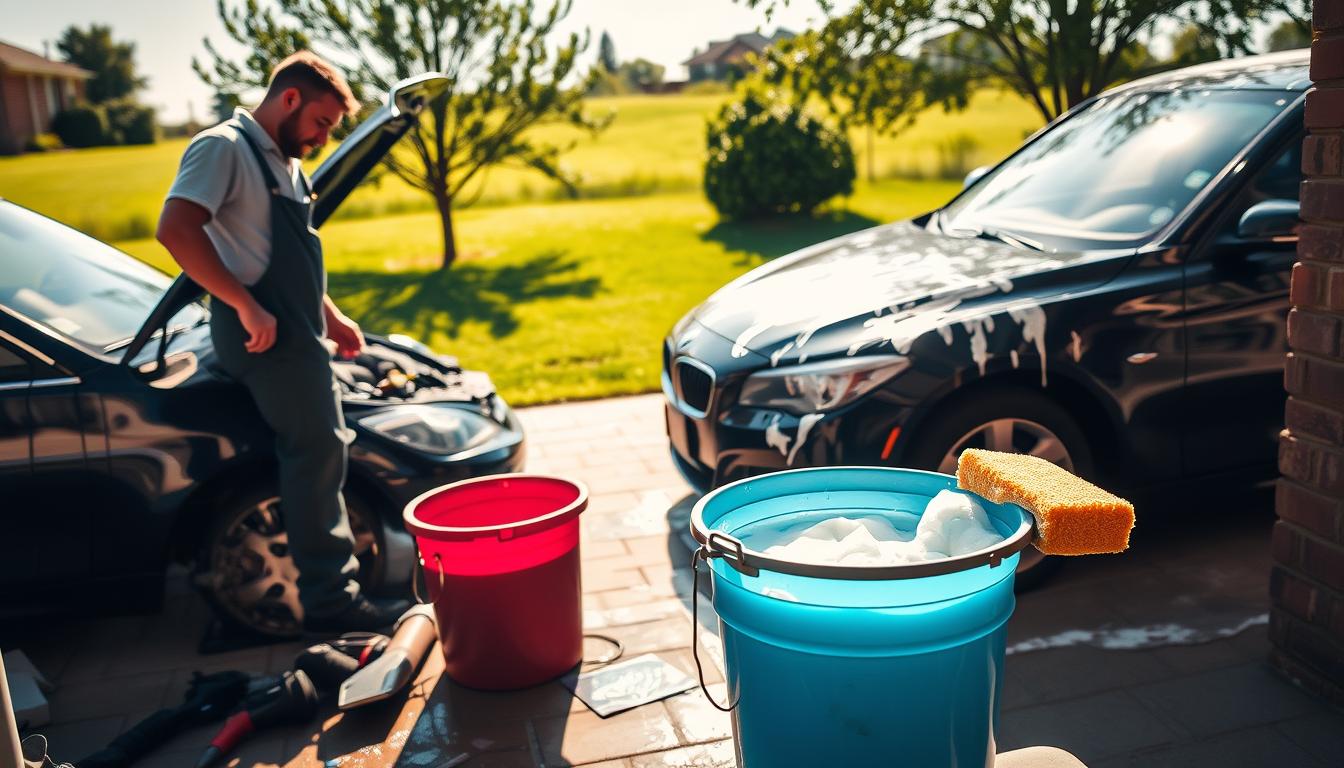
Regular washing is essential to remove dirt and debris that can scratch your car’s surface. Waxing your car every few months provides a protective layer against the sun’s UV rays, which can cause paint to fade and become brittle.
Protecting Paint: The Role of Sealants
In addition to waxing, using a paint sealant can offer enhanced protection against sun damage. Paint sealants create a durable barrier that shields your car’s paint from harmful UV radiation, keeping it looking newer for longer.
Windshield Care: Keeping Your View Clear
Your windshield is crucial for safe driving, and its maintenance is often overlooked. Regularly cleaning your windshield with appropriate products and inspecting it for chips or cracks can prevent more significant problems. Replacing damaged windshields is essential to maintain clear visibility while driving.
By following these exterior care tips, you can protect your vehicle’s appearance and ensure it remains in good condition throughout the summer and beyond.
Interior Care: Keeping It Fresh
A clean and well-maintained interior not only enhances your driving experience but also prolongs the life of your vehicle’s upholstery. As you focus on exterior car care during the summer, it’s equally important to give some attention to the inside of your vehicle.
Summer months can be particularly harsh on your car’s interior due to increased exposure to sunlight, heat, and potential dust. Regular cleaning and maintenance can keep your vehicle’s interior fresh and prevent damage.
Upholstery Maintenance: Avoiding Fading
The upholstery in your car is prone to fading and damage from the sun’s UV rays. To protect it:
- Use a sunshade on your windshield when parked to block direct sunlight.
- Apply a fabric protector to your seats to repel stains and reduce fading.
- Avoid using harsh chemicals for cleaning; instead, opt for mild soap and water.
Cleaning Surfaces: Removing Grime and Dust
Regularly cleaning the surfaces inside your car is essential for maintaining a fresh interior. Here are some tips:
- Wipe down the dashboard and other surfaces with a microfiber cloth to remove dust.
- Use a gentle cleaning product on the console and other hard surfaces.
- Vacuum the seats and floor mats regularly to remove dirt and debris.
By following these simple steps, you can keep your car’s interior looking and feeling its best throughout the summer months.
Preparing for Summer Road Trips
Embarking on a summer road trip can be a thrilling adventure, but it requires some preparation. Ensuring your vehicle is in good condition and packing the right supplies can make a significant difference in the success of your trip.
Essential Tools and Supplies
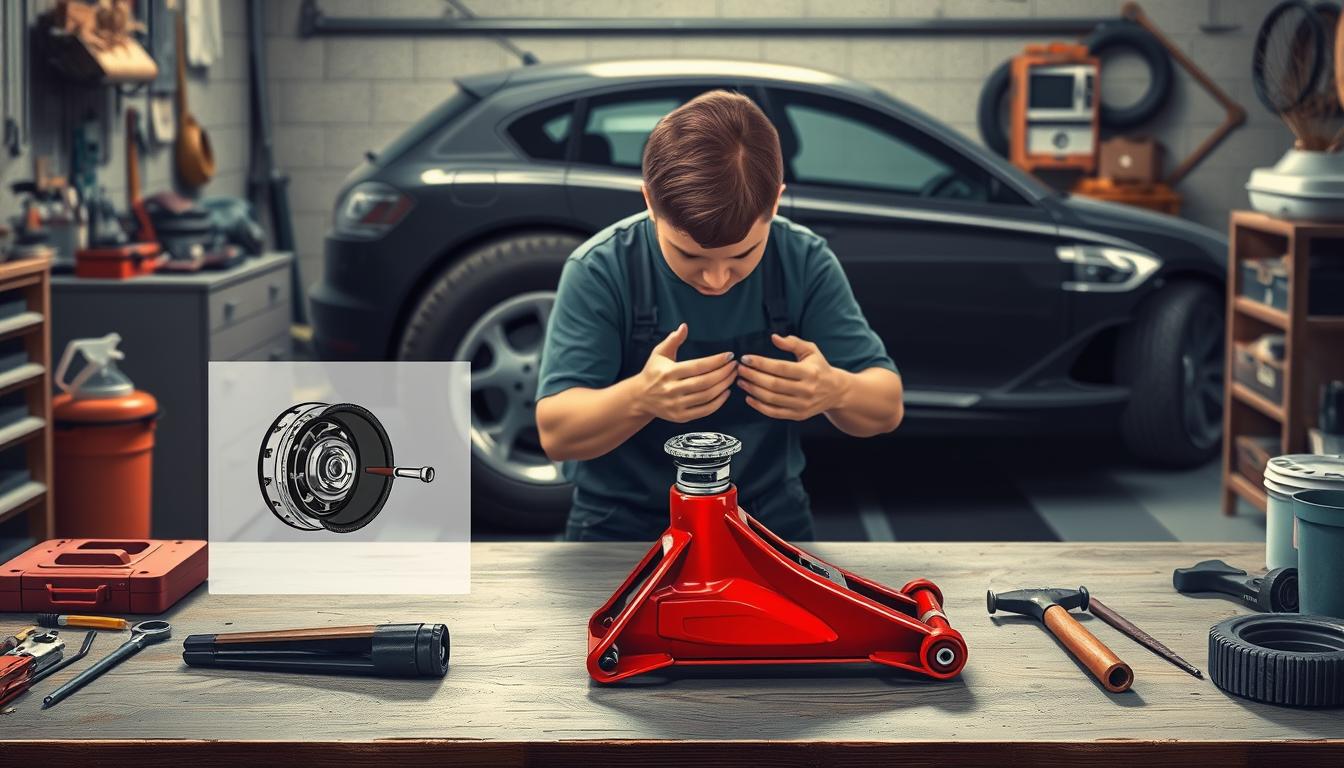
Before you hit the road, it’s crucial to check that your vehicle is equipped with essential tools and supplies. This includes a spare tire, jumper cables, and basic toolkit. Having these items on hand can help you address common issues that may arise during your trip.
Key items to include:
- A spare tire and tire-changing equipment
- Jumper cables for jump-starting your vehicle
- A basic toolkit with pliers, screwdrivers, and wrenches
- Flashlight and extra batteries
Emergency Kit: What to Include
An emergency kit is a vital component of road trip preparation. It should contain items that can help you survive and stay safe in case of an emergency. Consider including a first-aid kit, non-perishable snacks, and a blanket.
Emergency kit essentials:
- First-aid kit with bandages, antiseptic wipes, and pain relievers
- Non-perishable snacks and water
- Blanket or emergency blanket
- Map or GPS device

Route Planning: Avoiding Stress on the Road
Planning your route in advance can help reduce stress and make your trip more enjoyable. Use a mapping app or website to identify the best route and check for any road closures or construction.
Tips for route planning:
- Check for road closures and construction before you leave
- Consider alternative routes to avoid heavy traffic
- Plan for regular breaks to rest and refuel
By taking the time to prepare your vehicle, pack an emergency kit, and plan your route, you can ensure a safe and enjoyable summer road trip.
Understanding the Summer Driving Risks
As temperatures rise, so do the risks associated with driving during the summer months. Summer driving comes with unique challenges that can affect your vehicle’s performance and your safety on the road.
Beware of Heat: How It Affects Performance
The heat can have a significant impact on your vehicle’s performance. High temperatures can cause your engine to overheat, leading to costly repairs if not addressed promptly. Moreover, the heat can affect your tire pressure, making it essential to check your tire pressure regularly.
- Monitor your temperature gauge to avoid overheating.
- Check your tire pressure at least once a month.
- Ensure your coolant levels are adequate.
Increased Traffic: Preparing for Delays
Summer is a peak travel season, and with more cars on the road, there’s a higher likelihood of traffic congestion. Planning your route in advance can help you avoid delays and reduce stress while driving.
- Use GPS or mapping apps to check for traffic updates.
- Consider alternative routes to avoid heavy traffic areas.
- Leave early to account for unexpected delays.
By understanding the risks associated with summer driving and taking proactive measures, you can ensure a safer and more enjoyable driving experience. Stay informed, plan ahead, and keep your vehicle in good condition to make the most of your summer travels.
Choosing the Right Fuel
Understanding the right fuel for your vehicle is key to maintaining its optimal performance. The type of fuel you use can significantly affect your car’s efficiency, performance, and longevity.
Using the correct fuel grade is crucial because it directly impacts how well your engine operates. Most vehicles require either regular, mid-grade, or premium gasoline. The owner’s manual typically specifies the recommended fuel type.
Understanding Fuel Grades
Fuel grades are determined by their octane rating, which measures the fuel’s resistance to engine knock or pinging. Higher octane fuel is more resistant to engine knock, but it’s not necessarily better for your car unless your vehicle requires it.
- Regular Gasoline: Suitable for most vehicles, regular gasoline is the most commonly used fuel.
- Mid-Grade Gasoline: A mid-point between regular and premium, mid-grade gasoline is a good option for vehicles that don’t require premium fuel but may benefit from a higher octane rating.
- Premium Gasoline: With a higher octane rating, premium gasoline is designed for vehicles that require higher-octane fuel for optimal performance.
Seasonal Fuel Variations
Some regions experience seasonal fuel variations, where the fuel formulation changes to adapt to different temperatures and driving conditions. For instance, summer fuel is designed to reduce emissions during warmer months, while winter fuel is formulated to improve engine performance in colder temperatures.
It’s essential to be aware of these variations, especially if you live in an area with significant seasonal changes. While most modern vehicles can adapt to these changes, using the correct fuel for the season can help maintain your vehicle’s performance and efficiency.
In conclusion, choosing the right fuel for your vehicle involves understanding the appropriate fuel grade and being aware of any seasonal fuel variations. By making informed decisions about your fuel choices, you can help ensure your vehicle runs smoothly and efficiently throughout the year.
Scheduling Professional Inspections
Before you hit the road this summer, make sure your vehicle gets a thorough check-up from a professional mechanic. Regular professional inspections can help identify and address potential issues before they become major problems, ensuring your car remains in good condition throughout the summer.
Finding Reliable Mechanics
When looking for a mechanic, it’s essential to find someone reliable. You can start by asking friends or family for recommendations. Check online reviews and ratings to gauge the mechanic’s reputation. Ensure they are certified and have experience with your vehicle’s make and model.
A reliable mechanic will provide a detailed inspection report, highlighting any issues and recommending necessary repairs. This transparency helps you make informed decisions about your vehicle’s maintenance.
When to Schedule an Appointment
Scheduling an appointment at the right time is crucial. Ideally, you should have your vehicle inspected before the peak summer season starts. This proactive approach helps prevent unexpected breakdowns during the hottest months.
- Check your vehicle’s maintenance schedule to determine the best time for an inspection.
- Consider scheduling an inspection if you’ve noticed any unusual signs or symptoms, such as strange noises or decreased performance.
- Book your appointment early to avoid the rush and ensure your mechanic has availability.
By taking these steps, you can enjoy a smooth and safe summer drive, knowing your vehicle has been thoroughly checked by a professional.
Conclusion: Enjoying a Smooth Summer Drive
By following the summer car care tips outlined in this article, you can ensure a safe and enjoyable driving experience throughout the summer. Regular maintenance is key to preventing breakdowns and reducing the risk of accidents.
Key Takeaways
To recap, it’s essential to check and maintain your vehicle’s fluids, inspect tire pressure and tread life, perform battery maintenance, and ensure your air conditioning system is functioning properly. Additionally, protecting your vehicle’s exterior and interior from the harsh summer elements is crucial.
Stay Proactive
Proactive car care is vital to extending the life of your vehicle. By staying on top of maintenance tasks and addressing any issues promptly, you can enjoy a smooth summer drive. Make proactive car care a priority to ensure your vehicle remains in good condition.
FAQ
How often should I check my vehicle’s fluids during the summer?
What are the signs of a failing air conditioning system in my vehicle?
How does hot weather affect my vehicle’s battery?
Why is tire pressure important during the summer?
What are some essential items to include in my summer road trip emergency kit?
How can I protect my vehicle’s exterior from sun damage?
What type of fuel should I use in my vehicle during the summer?
How often should I schedule a professional inspection for my vehicle during the summer?
What are some common risks associated with driving during the summer?