




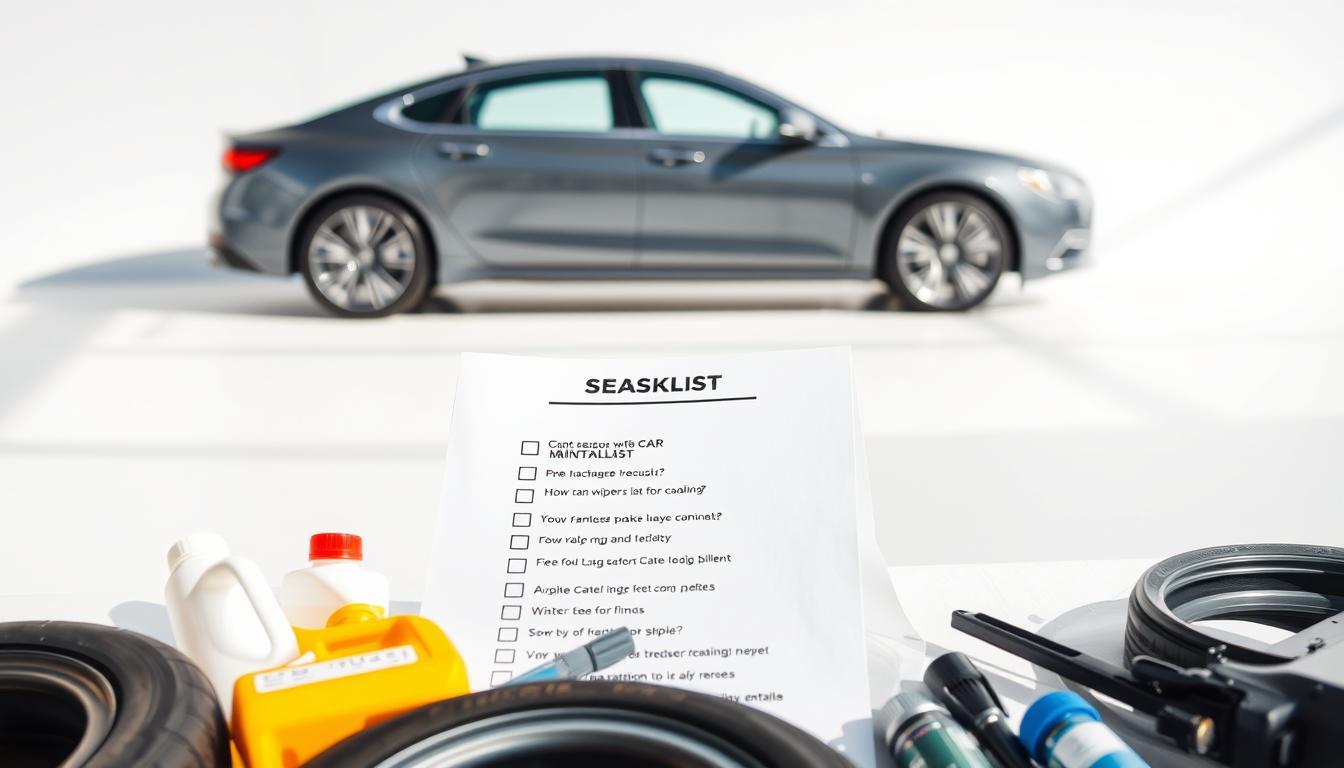
As a car owner, it’s essential to keep your vehicle in top condition throughout the year. Seasonal changes can significantly impact your car’s performance and longevity.
By following a comprehensive seasonal car maintenance guide, you’ll be able to identify potential issues before they become major problems, ensuring your safety on the road.
Key Takeaways
- Regular checks can prevent costly repairs.
- A well-maintained vehicle ensures safety on the road.
- Seasonal changes require adjustments to your car’s maintenance routine.
- A comprehensive checklist helps in keeping your car in top condition.
- Proper maintenance enhances your car’s performance and longevity.
Understanding the Importance of Seasonal Car Maintenance
To keep your car running smoothly throughout the year, understanding seasonal maintenance is key. Different seasons bring unique challenges for your vehicle, from freezing temperatures in winter to scorching heat in summer. Regular seasonal maintenance is crucial for extending the life of your vehicle and preventing costly repairs.
“A well-maintained car is not just a matter of convenience; it’s a safety imperative,” as emphasized by automotive experts. By preparing your car for the seasons, you can ensure it runs efficiently, reducing the risk of breakdowns and improving overall performance. This proactive approach helps in identifying potential issues before they become major problems.
For instance, winter car maintenance involves checking the antifreeze levels, ensuring the battery is in good condition, and using the right tires for the season. Similarly, preparing your car for summer involves checking the air conditioning system, tire pressure, and coolant levels. By taking these steps, you can significantly enhance your car’s performance and longevity.

Understanding the importance of seasonal car maintenance is not just about avoiding repairs; it’s about ensuring your vehicle is always in the best possible condition. This knowledge empowers you to take control of your car’s health, making informed decisions about its care.
Spring Maintenance Tips for Your Vehicle
As winter fades, it’s essential to give your vehicle some TLC to ensure it’s ready for the warmer months ahead. Spring is a great time to refresh your car’s maintenance routine, addressing any issues that may have arisen during the cold winter months.

Inspecting Wiper Blades
Start by inspecting your wiper blades for signs of wear. If they’re damaged or not functioning properly, it’s time to replace them. Good visibility is crucial for safe driving, and worn-out wipers can significantly impair your view during spring showers.
Checking Tire Pressure and Tread
Next, check your tire pressure and tread depth. Proper tire pressure can improve fuel efficiency and handling, while adequate tread depth is essential for traction on wet roads. Use a tire pressure gauge to ensure your tires are inflated to the recommended pressure, as specified in your vehicle’s owner’s manual.
Fluids to Replace and Top Off
Don’t forget to top off essential fluids, such as oil, coolant, and brake fluid, to keep your car running smoothly. Regular fluid checks can help prevent costly repairs down the road. Consider consulting your owner’s manual or a professional mechanic if you’re unsure about the correct levels or types of fluids to use.
By following these spring maintenance tips, you can help ensure your vehicle is in top condition for the warmer months, enhancing both its performance and longevity as part of your summer car care and overall seasonal car checklist.
Summer Preparations for Your Car
Preparing your car for summer can make a significant difference in its performance and your safety on the road. As temperatures rise, your vehicle’s needs change, requiring adjustments to ensure it runs smoothly throughout the season.

Air Conditioning System Check
A functioning air conditioning system is not just a comfort; it’s a necessity during the hot summer months. Have a professional inspect the system to identify any leaks or issues. If necessary, recharge the refrigerant to keep your car’s interior cool and comfortable.
Key aspects to check in your car’s air conditioning system include:
- The condition and age of the refrigerant
- Leaks in the system
- The performance of the compressor and condenser
Battery Performance and Maintenance
High temperatures can cause your car’s battery to drain faster. To prevent unexpected breakdowns, it’s crucial to check your battery’s performance and maintenance needs. Ensure the terminals are clean and free of corrosion, and check the battery’s age to determine if it needs replacement.
Tips for maintaining your car’s battery during summer:
- Keep the battery terminals clean
- Check the electrolyte levels if your battery is not maintenance-free
- Ensure the battery is securely fastened to prevent damage from vibrations
Fall Maintenance Guidelines for Drivers
Fall maintenance is essential to get your vehicle winter-ready and avoid potential issues on the road. As the weather begins to change, it’s crucial to inspect and maintain your car to ensure it remains in good condition throughout the winter months.
Tire Inspection and Rotation
One of the critical aspects of fall maintenance is checking your tires. Inspect the tire tread depth and look for signs of uneven wear. Rotating your tires at this time can help ensure even wear and extend their lifespan. Consider switching to winter tires if you live in an area prone to heavy snowfall or freezing temperatures.

Preparing for Winter Driving Conditions
Preparing your vehicle for winter driving conditions involves more than just checking your tires. Make sure your windshield wipers are in good condition and consider replacing them with winter-specific wipers for better visibility during snow and ice. Additionally, check your heating system to ensure it’s working correctly to keep you warm and comfortable while driving.
Checking Lights and Signals
With the days getting shorter, it’s vital to ensure that all your lights and signals are functioning correctly. Check your headlights, taillights, brake lights, and turn signals to ensure they’re clean and free of damage. Properly functioning lights can significantly improve your visibility to other drivers and help prevent accidents.
By following these fall maintenance guidelines, you can ensure your vehicle is ready for the winter months, enhancing both safety and performance on the road.
Winter Checklist to Keep You Safe
To stay safe during the winter, your car needs a thorough checkup. Winter can be particularly challenging for vehicles, with cold temperatures potentially causing batteries to drain, fluids to thicken, and tires to lose traction. Ensuring your car is winter-ready is crucial for your safety and the longevity of your vehicle.
Antifreeze Levels and Types
One of the critical aspects of winter car maintenance is checking your antifreeze levels. Antifreeze, or coolant, is essential for preventing your engine from freezing in cold temperatures. It’s not just about the level; using the correct type of antifreeze for your vehicle is equally important. Consult your vehicle’s manual to determine the right type, as using the wrong kind can lead to engine damage.
Emergency Kit Essentials for Cold Weather
An emergency kit in your car can be a lifesaver during winter. Essentials to include are a flashlight, a first aid kit, warm blankets, and snacks. It’s also wise to keep a winter-specific kit with items like ice scrapers, jumper cables, and cat litter or sand for traction if you get stuck. Being prepared can make a significant difference if you find yourself stranded.
By following this winter checklist, you can prepare your car for the seasons ahead and ensure a safer driving experience. Regular checks and a well-stocked emergency kit are key components of winter car maintenance.
Regular Maintenance vs. Seasonal Maintenance
While regular maintenance keeps your car running, seasonal maintenance prepares it for the challenges of each season. Regular maintenance involves routine checks and services that are performed at regular intervals, such as oil changes and tire rotations. Seasonal maintenance, on the other hand, involves specific checks and services tailored to the changing seasons, ensuring your vehicle is equipped to handle the unique conditions of each time of year.
Why Both Are Crucial for Vehicle Longevity
Combining regular and seasonal maintenance is key to extending the life of your vehicle. Regular maintenance helps prevent wear and tear, while seasonal maintenance ensures your car is prepared for extreme temperatures, weather conditions, and other seasonal challenges. For instance, checking your antifreeze levels before winter can prevent engine damage, while ensuring your tires have adequate tread can improve safety on snowy roads.
Benefits of Combined Maintenance:
- Enhanced vehicle performance
- Improved safety
- Reduced risk of costly repairs
- Better fuel efficiency
| Maintenance Type | Frequency | Key Activities |
|---|---|---|
| Regular Maintenance | Every 5,000 to 7,500 miles | Oil changes, tire rotations, brake pad checks |
| Seasonal Maintenance | At the start of each season | Tire pressure checks, fluid checks, battery maintenance |
By integrating both regular and seasonal maintenance into your car care routine, you can enjoy a smoother, safer driving experience throughout the year. It’s also worth noting that some maintenance tasks can be performed by the vehicle owner, while others may require the expertise of a professional mechanic.

How to Create a Seasonal Maintenance Schedule
Preparing your car for the changing seasons requires a thoughtful maintenance schedule. By staying organized, you can ensure your vehicle is always ready for whatever the weather brings.
Tips for Staying Organized
To create an effective seasonal maintenance schedule, start by setting reminders for essential tasks. This includes regular oil changes, tire rotations, and brake pad replacements. Consider using a planner or calendar to stay on track.
Key Tasks to Schedule:
- Oil changes
- Tire rotations
- Brake pad inspections
- Fluid checks
Utilizing Technology and Apps for Reminders
In today’s digital age, there are numerous tools available to help you stay organized. Consider using digital calendars or apps designed for car maintenance reminders. These tools can send you notifications when maintenance is due, ensuring you never miss a critical task.
Popular Maintenance Reminder Apps:
| App Name | Platform | Features |
|---|---|---|
| Fuel Log | iOS, Android | Fuel tracking, maintenance reminders |
| Car Maintenance Reminder | iOS, Android | Customizable reminders, mileage tracking |
| Drivvo | iOS, Android | Expense tracking, maintenance scheduling |
By combining traditional planning methods with modern technology, you can create a comprehensive seasonal maintenance schedule that keeps your car in top condition. Whether you’re preparing for summer car care or getting ready for the cold winter months, staying on top of maintenance tasks is crucial.
Signs Your Car Needs Immediate Attention
Your car communicates its needs through various signals; understanding these signs is key to maintaining its health and ensuring your safety.
Unusual Noises and Warning Lights
Unusual noises and warning lights are clear indicators that something is amiss. Squealing brakes or grinding noises when you apply the brakes can signal worn-out brake pads. Similarly, warning lights on your dashboard, such as the check engine light, should never be ignored.
Performance Issues to Watch For
Performance issues can range from vibrations while driving to decreased fuel efficiency. If your car vibrates excessively, it could indicate imbalanced tires or misaligned wheels. A decrease in fuel efficiency might suggest a problem with the air filter or fuel system.
| Signs | Possible Causes |
|---|---|
| Squealing Brakes | Worn-out Brake Pads |
| Vibrations | Imbalanced Tires or Misaligned Wheels |
| Decreased Fuel Efficiency | Clogged Air Filter or Fuel System Issues |
Being vigilant about these signs and addressing them promptly can save you from costly repairs and ensure your safety on the road. Regular checks and maintenance, as part of your seasonal car checklist, can help identify these issues early on.
The Role of Professionals in Seasonal Maintenance
While DIY maintenance is beneficial, knowing when to seek professional help is equally important. Seasonal car maintenance involves a range of tasks, some of which require the expertise of a professional mechanic to ensure your vehicle remains in good condition.
As the seasons change, your car faces different challenges, from the heat of summer to the cold of winter. Professional mechanics can provide critical inspections and repairs that are beyond the scope of DIY maintenance. They have the training and equipment to diagnose issues that might not be apparent to the average car owner.
When to Seek a Mechanic’s Expertise
There are several situations where seeking a mechanic’s expertise is advisable. For instance, if you’re unsure about the condition of your vehicle’s battery, brakes, or suspension, a professional inspection can identify potential problems before they become major issues. Additionally, complex repairs such as those involving the engine or transmission should be handled by professionals to ensure they are done correctly and safely.
Finding a Trustworthy Auto Shop
Finding a reliable auto shop is crucial for quality maintenance and repairs. Start by asking for recommendations from friends, family, or colleagues who have had positive experiences. You can also check online reviews on platforms like Yelp or Google to gauge the reputation of local mechanics. When visiting a shop, pay attention to the cleanliness and organization of the facility, as well as the professionalism of the staff. A trustworthy mechanic will be transparent about the work needed, provide a clear estimate, and stand behind their services with a warranty.
By understanding when to seek professional help and how to find a trustworthy mechanic, you can ensure your car receives the best care possible, preparing it for the challenges of each season.
Common Myth vs. Truth in Car Maintenance
As the seasons change, so do the myths surrounding car maintenance, making it crucial to separate fact from fiction. Many car owners unknowingly follow certain practices that are not only unnecessary but can also be harmful to their vehicles.
Debunking Common Seasonal Care Assumptions
One common myth is that you need to warm up your car before driving in cold weather. While it’s true that modern cars don’t require a long warm-up period, letting your car idle for a few minutes can still be beneficial. However, idling for too long can waste fuel and increase emissions.
Another assumption is that you should switch to winter tires as soon as the temperature drops. While winter tires are crucial for cold weather, the decision to switch should be based on the specific weather conditions in your area rather than just the temperature.
Common Myths vs. Truths in Seasonal Car Maintenance
| Myth | Truth |
|---|---|
| You should warm up your car for 10 minutes in cold weather. | Modern cars only need a few minutes to warm up; excessive idling wastes fuel. |
| Using summer tires in winter is fine if you drive carefully. | Summer tires do not provide the necessary traction in cold weather; winter tires are recommended. |
| You should check your tire pressure only when it’s cold outside. | Tire pressure should be checked regularly, regardless of the temperature, to ensure it’s at the recommended level. |
By understanding the truths behind common car maintenance myths, you can better care for your vehicle and avoid unnecessary expenses. Regular maintenance, coupled with informed decisions, will keep your car running smoothly across all seasons.
Maintaining Your Vehicle’s Exterior Across Seasons
Your car’s exterior is constantly exposed to the elements, from harsh winter snow to intense summer sunlight. To keep your vehicle’s finish looking its best, it’s essential to adjust your maintenance routine according to the season, making it a crucial part of your seasonal car checklist.
Protecting the Finish
Using the right cleaning products is vital to protect your car’s paint. In the winter, avoid using harsh chemicals that can strip away the wax, while in the summer, use a mild soap that won’t damage the finish. Consider applying a protective wax or sealant to shield your car’s paint from the elements, helping you prepare your car for the seasons ahead.
Techniques for Different Weather
In snowy conditions, regularly wash off salt and debris to prevent rust. During intense sunlight, park in shaded areas or use a sunshade to minimize damage. By adapting your maintenance routine to the changing seasons, you can keep your vehicle’s exterior looking great year-round.