



Regular brake fluid checks are crucial for ensuring your vehicle’s braking system functions properly. Neglecting this maintenance can lead to serious safety issues on the road.
The braking system relies on brake fluid to transmit pressure and facilitate stopping. Low or contaminated fluid can compromise this process, putting you and others at risk.
Understanding the importance of regular brake fluid checks can help you maintain your vehicle’s health and ensure safety on the road.
Key Takeaways
- Regular brake fluid checks are essential for vehicle safety.
- Brake fluid plays a critical role in the braking system.
- Neglecting brake fluid checks can lead to serious safety issues.
- Low or contaminated brake fluid can compromise braking performance.
- Regular checks can help maintain overall vehicle health.
What is Brake Fluid and Its Function?
To comprehend the importance of brake fluid checks, it’s vital to first understand what brake fluid is and how it functions within your vehicle’s braking system. Brake fluid is a type of hydraulic fluid used in vehicles to transfer pressure from the brake pedal to the brake calipers, enabling the vehicle to stop safely.
The Role of Brake Fluid in Your Vehicle
Brake fluid plays a critical role in the braking system by transferring pressure to the brake calipers, which then clamp the brake pads onto the rotors to stop the vehicle. This process requires the brake fluid to be at the correct level and in good condition to ensure effective braking performance.
Different Types of Brake Fluids Available
There are several types of brake fluids available, including DOT3, DOT4, and DOT5. Each type has its own specifications and uses. For instance, DOT3 and DOT4 are glycol-based fluids, while DOT5 is silicone-based. Understanding the type of brake fluid your vehicle requires is essential for maintaining its braking performance.
| Type of Brake Fluid | Characteristics | Common Uses |
|---|---|---|
| DOT3 | Glycol-based, moderate boiling point | Most passenger vehicles |
| DOT4 | Glycol-based, higher boiling point than DOT3 | Vehicles that require higher temperature resistance |
| DOT5 | Silicone-based, high boiling point | Specialty vehicles, such as those used in extreme conditions |
How Brake Fluid Works in the Braking System
Brake fluid works by transferring pressure through the braking system. When you press the brake pedal, it creates pressure that is transmitted through the brake fluid to the brake calipers. The calipers then apply the brake pads to the rotors, slowing or stopping the vehicle. Regular checks of the brake fluid level and condition are crucial to ensure the braking system functions correctly.
Signs That Your Brake Fluid Needs Checking
Your brake fluid is a critical component of your vehicle’s braking system, and knowing when it needs checking can save you from potential hazards. The condition and level of your brake fluid can significantly impact your vehicle’s ability to stop safely and efficiently.
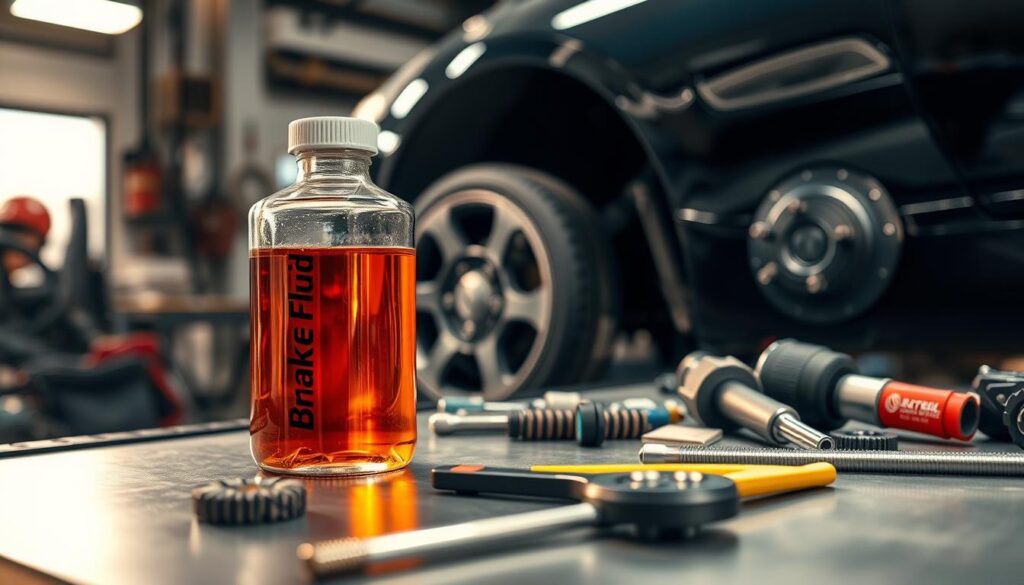
Warning Lights on Your Dashboard
Modern vehicles are equipped with advanced dashboard warning systems. If your brake fluid level is low or there’s an issue with the braking system, a warning light will typically illuminate on your dashboard. This is often represented by an exclamation mark within a circle or the words “Brake Fluid Low.” If this light comes on, it’s essential to check your brake fluid level as soon as possible.
Changes in Brake Performance
A noticeable change in your vehicle’s brake performance can be a significant indicator that your brake fluid needs checking. Symptoms may include:
- A spongy or soft brake pedal
- Increased stopping distances
- Vibrations or pulsations when applying the brakes
These issues can be related to low brake fluid levels, contaminated fluid, or problems within the braking system itself. Regular checks can help identify these problems early.
Fluid Color and Consistency
The color and consistency of your brake fluid can provide valuable insights into its condition. Healthy brake fluid is typically clear or slightly yellow. If the fluid appears dark or murky, it may be contaminated and in need of replacement. Additionally, if the fluid level is low, it could indicate a leak somewhere in the braking system.
Performing a DIY brake fluid check regularly can help you stay on top of your vehicle’s maintenance needs. It’s a simple process that involves checking the fluid level, color, and consistency. Knowing when to check brake fluid is crucial, especially if you notice any changes in your vehicle’s braking performance or if the dashboard warning light comes on.
Why Regular Brake Fluid Checks Are Crucial
Maintaining the right brake fluid level is key to preventing brake failures and ensuring vehicle safety. Regular brake fluid checks are not just a recommendation; they are a necessity for the well-being of your vehicle’s braking system.
One of the primary reasons regular brake fluid checks are crucial is that they enhance vehicle safety. Brake fluid is responsible for transmitting the force applied to the brake pedal to the brake calipers, which then clamp the brake pads onto the rotors to stop the vehicle. If the brake fluid level is low or its condition is compromised, it can lead to a spongy brake pedal or even brake failure, significantly increasing the risk of accidents.
Enhancing Vehicle Safety
Regular checks help in identifying any potential issues before they become major problems. For instance, a decrease in brake fluid level could indicate a leak in the system, which, if not addressed, could result in brake failure. Moreover, contaminated brake fluid can cause corrosion within the braking system, further compromising safety.
Preventing Brake System Failures
Brake system failures are often catastrophic and can lead to severe consequences. By regularly checking the brake fluid, you can prevent such failures. This proactive approach allows you to identify and rectify issues like leaks or contamination early on, ensuring your braking system functions as intended.
Extending the Life of Your Braking Components
Regular brake fluid checks also contribute to extending the life of your braking components. Clean and adequate brake fluid reduces the wear and tear on brake parts, such as the master cylinder, calipers, and brake pads. This not only saves you money on repairs but also ensures your vehicle remains safe to drive over its lifespan.
| Benefits of Regular Brake Fluid Checks | Description |
|---|---|
| Enhanced Vehicle Safety | Regular checks help in maintaining optimal brake performance, reducing the risk of accidents. |
| Prevention of Brake System Failures | Early detection of issues like leaks or contamination prevents brake system failures. |
| Extended Life of Braking Components | Clean and adequate brake fluid reduces wear and tear on brake parts. |
How to Check Your Brake Fluid Levels
To maintain your vehicle’s safety and performance, it’s essential to know how to check your brake fluid levels. This process is relatively straightforward and can be done at home or by a professional mechanic.
Locating the Brake Fluid Reservoir
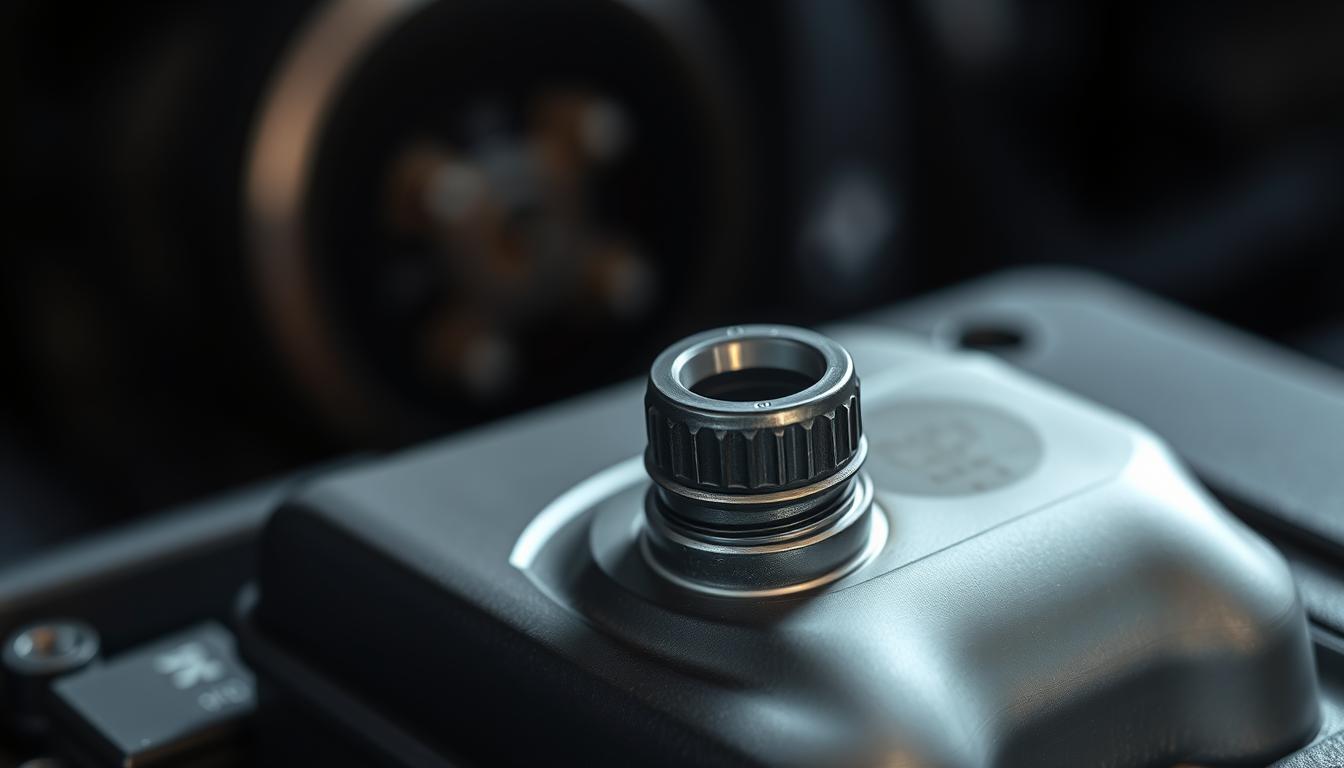
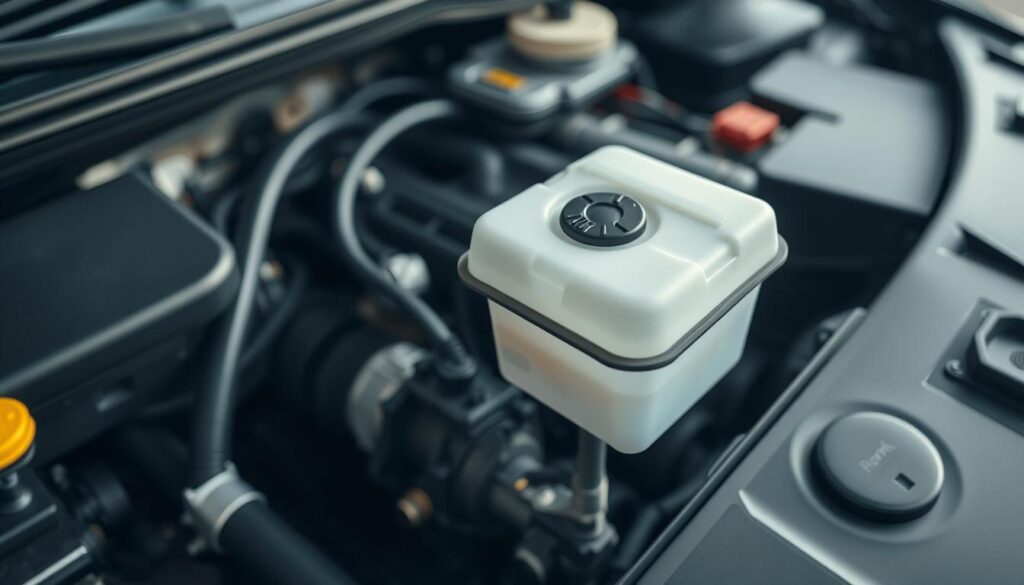
The first step in checking your brake fluid is to locate the brake fluid reservoir. This is typically found under the hood of your vehicle, and its exact location may vary depending on the make and model of your car. Consult your vehicle’s manual if you’re unsure.
Assessing Fluid Levels and Condition
Once you’ve located the reservoir, you can assess the fluid level and its condition. The reservoir usually has minimum and maximum level indicators. Check that the fluid level is between these two marks. Additionally, inspect the fluid’s color and consistency. Brake fluid should be clear or slightly yellow; if it’s dark or murky, it may be contaminated.
- Check the fluid level against the minimum and maximum marks on the reservoir.
- Inspect the color and consistency of the brake fluid.
- Look for any signs of leakage around the reservoir or brake lines.
When to Consult a Professional
If you’re unsure about how to check your brake fluid or if you notice any issues during your inspection, it’s always best to consult a professional mechanic. They can provide a more detailed assessment and perform any necessary maintenance or repairs.
Key Takeaways:
- Regularly checking your brake fluid levels is crucial for vehicle safety.
- Know how to locate and inspect your brake fluid reservoir.
- Don’t hesitate to seek professional help if you’re unsure or notice any issues.
How Often Should You Check Your Brake Fluid?
Understanding when to check your brake fluid can significantly impact your vehicle’s overall safety and efficiency. The frequency at which you should check your brake fluid depends on several factors, including your vehicle’s manufacturer recommendations and your driving conditions.
Generally, it’s advised to check your brake fluid every time you service your vehicle or at least once a year. This regular check can help in identifying any potential issues early on, ensuring your vehicle’s braking system remains in good condition.
Recommended Frequency for Checks
Most vehicle manufacturers recommend checking brake fluid levels during regular maintenance checks. For average drivers, this typically means checking the fluid level every 5,000 to 10,000 miles. However, it’s essential to consult your vehicle’s owner’s manual for the manufacturer’s specific recommendations.
“Regular maintenance is key to extending the life of your vehicle’s braking components.” This is a mantra for many automotive experts, and checking brake fluid is a crucial part of that maintenance.
Factors That Affect Brake Fluid Degradation
Several factors can influence the degradation of brake fluid, necessitating more frequent checks. These include:
- Driving in extreme temperatures, which can cause the fluid to degrade faster.
- Frequent city driving or stop-and-go traffic, which puts additional stress on the braking system.
- Towing a trailer or carrying heavy loads, which increases the demand on your vehicle’s brakes.
As noted by automotive experts,
“Brake fluid is the lifeblood of your vehicle’s braking system, and its condition directly affects your vehicle’s safety and performance.”
Therefore, understanding the factors that affect brake fluid degradation is crucial for maintaining your vehicle’s health.
By staying on top of brake fluid checks and being aware of the factors that can affect its degradation, you can ensure your vehicle’s braking system remains reliable and efficient.
The Consequences of Neglecting Brake Fluid Maintenance
The importance of regular brake fluid checks cannot be overstated, as neglecting this task can have severe consequences. Brake fluid plays a critical role in the functioning of your vehicle’s braking system, and its maintenance is essential for safety on the road.
Increased Stopping Distances
One of the immediate consequences of neglecting brake fluid maintenance is increased stopping distances. When brake fluid degrades or becomes contaminated, it can lead to a decrease in braking performance. This means that your vehicle will take longer to stop, potentially leading to accidents, especially in situations where quick stops are necessary.
Risk of Brake Failure
Neglecting brake fluid maintenance also heightens the risk of brake failure. Contaminated or degraded brake fluid can cause corrosion within the braking system and damage to critical components such as the master cylinder, calipers, and brake lines. In extreme cases, this can result in complete brake failure, posing a significant risk to the safety of the driver, passengers, and other road users.
Cost Implications of Delayed Repairs
Furthermore, delaying repairs due to neglected brake fluid maintenance can have significant cost implications. As brake issues progress, they can damage other components of the braking system, leading to more complex and costly repairs. Regular maintenance is not only a safety imperative but also a cost-effective strategy in the long run.
In conclusion, the consequences of neglecting brake fluid maintenance are far-reaching, from increased stopping distances and a heightened risk of brake failure to the cost implications of delayed repairs. Regular checks and maintenance of brake fluid are crucial for ensuring vehicle safety and performance.
DIY vs. Professional Brake Fluid Checks
Checking your brake fluid is a vital maintenance task that can be approached in two ways: DIY or professional service. Both methods have their advantages, and understanding these can help you make an informed decision.
Advantages of Checking It Yourself
Performing a DIY brake fluid check can be cost-effective and gives you a better understanding of your vehicle’s condition. To do this, locate the brake fluid reservoir, check the fluid level against the minimum and maximum marks, and inspect the fluid’s color and consistency. Clear or light yellow fluid is typically healthy, while dark or dirty fluid may indicate it’s time for a change.
Checking your brake fluid yourself also allows you to become more familiar with your vehicle’s components and can be a good learning experience. However, it’s essential to follow the manufacturer’s instructions and take necessary safety precautions.
When to Seek Professional Help
While a DIY check can be straightforward, there are situations where seeking professional help is advisable. If you’re unsure about the process, or if you’ve identified a potential issue during your check, it’s best to consult a professional mechanic. They have the expertise and equipment to diagnose and fix problems accurately.
Additionally, if your vehicle is due for a routine maintenance check or if you’re experiencing brake-related issues, a professional service is recommended. They can perform a comprehensive check, including the brake fluid, and address any other maintenance needs.
Costs Comparison: DIY vs. Professional Service
The cost of checking your brake fluid can vary significantly between DIY and professional service. A DIY check is essentially free, aside from any materials you might need to purchase, such as a rag or gloves. On the other hand, a professional check can range from $50 to $100, depending on the service provider and the complexity of the check.
While a professional service may seem more expensive upfront, it can potentially save you money in the long run by identifying and addressing issues before they become major problems.
Understanding Brake Fluid Contamination
Maintaining clean brake fluid is essential for optimal vehicle performance and safety. Brake fluid contamination is a serious issue that can significantly impact your vehicle’s braking performance.
Common Causes of Contamination
Brake fluid can become contaminated in several ways. Moisture absorption is one of the primary causes, as brake fluid is hygroscopic, meaning it absorbs moisture from the air. This moisture can lead to a decrease in the fluid’s boiling point, potentially causing brake failure. Another cause is the introduction of dirt and debris into the brake system, which can happen during maintenance or through worn-out seals. Mixing different types of brake fluid can also contaminate the system, as various formulations may not be compatible.
How Contaminated Fluid Affects Performance
Contaminated brake fluid can have severe consequences on your vehicle’s braking performance. The presence of moisture can lead to corrosion within the braking system, damaging components like brake lines, calipers, and master cylinders. Moreover, contaminated fluid can result in reduced braking efficiency, as the fluid’s compromised state affects its ability to transfer pressure through the brake system. In extreme cases, contaminated brake fluid can lead to catastrophic brake failure, posing a significant risk to vehicle occupants and other road users.
“Regular brake fluid checks are crucial for identifying potential issues before they become major problems.”
| Condition | Braking Performance | Risk Level |
|---|---|---|
| Clean Brake Fluid | Optimal | Low |
| Contaminated Brake Fluid | Reduced Efficiency | High |
| Severely Contaminated Brake Fluid | Brake Failure | Very High |

By understanding the causes and effects of brake fluid contamination, vehicle owners can take proactive steps to maintain their brake system’s integrity.
Tips for Maintaining Healthy Brake Fluid
Healthy brake fluid is the backbone of a well-functioning braking system, making regular maintenance a must. Ensuring your brake fluid is in good condition is crucial for the overall safety and performance of your vehicle.
Best Practices for Brake Fluid Care
To maintain healthy brake fluid, it’s essential to follow best practices. First, regularly check the fluid level to ensure it’s at the recommended level. Using the correct type of brake fluid as specified by your vehicle’s manufacturer is also vital. Avoid contamination by keeping the reservoir cap tightly closed when not in use.
Another critical practice is to inspect the brake fluid’s condition. If the fluid appears dirty or has a dark color, it may be a sign that it needs to be changed. Regularly flushing and replacing the brake fluid according to your vehicle’s maintenance schedule can prevent issues with your braking system.
Importance of Regular Service Checks
Regular service checks play a significant role in maintaining your brake fluid’s health. During these checks, professionals can inspect the braking system, identify any potential issues, and address them before they become major problems. This proactive approach can help prevent brake system failures and ensure your vehicle remains safe to drive.
By combining best practices for brake fluid care with regular service checks, you can significantly enhance your vehicle’s braking performance and overall safety. Remember, maintaining healthy brake fluid is an ongoing process that requires attention and care.
The Relationship Between Brake Fluid and Your Brake System
Brake fluid is the lifeblood of your vehicle’s braking system, enabling it to function correctly. It plays a crucial role in the operation of various components that work together to ensure your vehicle can stop safely and efficiently.
The braking system is complex, involving multiple parts such as brake pads, rotors, calipers, and the master cylinder. Brake fluid connects these components by transferring pressure from the brake pedal to the brakes themselves. When you press the brake pedal, it creates pressure in the master cylinder, which is then transmitted through the brake fluid to the calipers, causing the brake pads to clamp onto the rotors, thereby slowing or stopping your vehicle.
How Brake Fluid Connects with Other Components
Brake fluid interacts with other braking system components in several critical ways:
- The master cylinder converts non-hydraulic pressure from the brake pedal into hydraulic pressure, which is then transmitted through the brake fluid.
- Brake lines and hoses carry the brake fluid under pressure to the calipers or wheel cylinders.
- Caliper pistons use the pressure from the brake fluid to clamp the brake pads against the rotors.
A regular brake fluid level check is essential to ensure that the braking system operates as intended. Low brake fluid levels can lead to reduced braking performance, potentially resulting in increased stopping distances or even brake failure.
The Role of Brake Fluid in ABS Systems
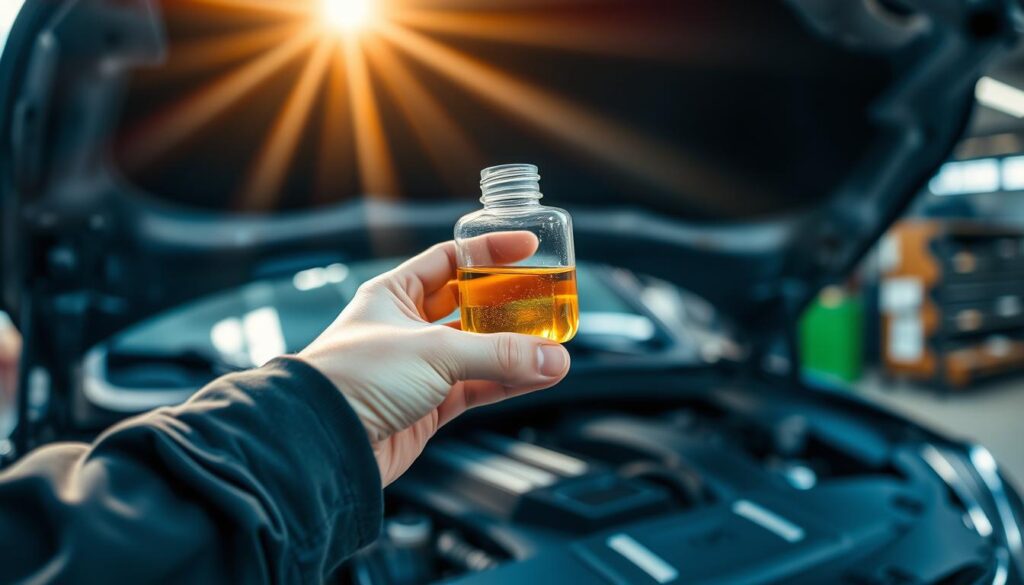
In vehicles equipped with Anti-lock Braking Systems (ABS), brake fluid plays an even more critical role. ABS relies on the brake fluid to modulate brake pressure at each wheel, preventing the wheels from locking up during hard braking. This is achieved through a complex interplay between the ABS control module, sensors at each wheel, and the hydraulic control unit.
“The ABS system relies heavily on the quality and condition of the brake fluid to function correctly. Contaminated or degraded brake fluid can impair ABS operation, potentially leading to reduced vehicle safety.”
The table below summarizes the key aspects of brake fluid’s role in ABS systems:
| Component | Function | Relation to Brake Fluid |
|---|---|---|
| ABS Control Module | Controls the ABS system | Relies on brake fluid pressure |
| Wheel Speed Sensors | Monitor wheel speed | Indirectly affected by brake fluid condition |
| Hydraulic Control Unit | Modulates brake pressure | Directly controlled by brake fluid pressure |
Maintaining your brake fluid is crucial for the overall health of your vehicle’s braking system, especially in vehicles equipped with ABS. Regular checks and maintenance can help prevent issues and ensure your vehicle remains safe to drive.
How Brake Fluid Quality Can Affect Driving Experience
Brake fluid quality is a critical factor that influences both the safety and comfort of your drive. High-quality brake fluid ensures that your vehicle’s braking system operates smoothly, contributing to a more responsive and predictable driving experience.
Smoothness of Brake Pedal Response
The condition of your brake fluid directly affects the smoothness of your brake pedal response. Degraded or contaminated brake fluid can lead to a spongy or soft brake pedal, which not only compromises your vehicle’s performance but also poses a safety risk. Regularly checking your brake fluid, as outlined in our guide on how to check brake fluid, can help maintain a firm and responsive brake pedal.
Impact on Overall Vehicle Handling
Beyond the braking performance, the quality of your brake fluid also impacts your vehicle’s overall handling. Good brake fluid condition is essential for maintaining vehicle stability, especially during sudden stops or when driving under challenging conditions. Conversely, poor brake fluid quality can result in decreased vehicle stability, making your driving experience less comfortable and more hazardous.
| Brake Fluid Condition | Brake Pedal Response | Vehicle Handling |
|---|---|---|
| Good | Firm and Responsive | Stable and Predictable |
| Degraded/Contaminated | Spongy/Soft | Unstable and Unpredictable |
Maintaining good brake fluid quality is not just about ensuring your vehicle stops when you need it to; it’s also about enhancing your overall driving experience. By regularly checking and maintaining your brake fluid, you can enjoy a smoother, safer drive.
Conclusion: Prioritize Your Brake Fluid Health
Maintaining your vehicle’s brake fluid is crucial for ensuring safety on the road. By understanding the role of brake fluid in your vehicle’s braking system, you can take proactive steps to maintain it.
Key Takeaways
Regular brake fluid check is essential for identifying potential issues before they become major problems. Signs that your brake fluid needs attention include warning lights on your dashboard, changes in brake performance, and fluid color and consistency.
Make it a Routine
Incorporating brake fluid check into your regular vehicle maintenance routine can significantly enhance your vehicle’s safety and performance. By doing so, you can prevent brake system failures, reduce stopping distances, and ensure a smoother driving experience.
Prioritizing your brake fluid health is a simple yet effective way to maintain your vehicle’s overall health. Make brake fluid check a part of your routine to enjoy a safer and more enjoyable driving experience.