





Keeping your vehicle’s power source in top condition is crucial for a smooth ride. Proper car battery maintenance is key to avoiding unexpected breakdowns and ensuring your vehicle runs efficiently.
By following this comprehensive guide, you’ll learn how to extend car battery life and keep your vehicle running smoothly. We’ll cover everything from understanding your vehicle’s power needs to eco-friendly disposal practices.
Key Takeaways
- Understand the importance of regular battery checks
- Learn how to properly clean and maintain your car’s battery
- Discover eco-friendly ways to dispose of old batteries
- Find out how to identify signs of a failing battery
- Understand the role of battery maintenance in extending its lifespan
Understanding Your Car Battery
Understanding your car battery is key to maintaining your vehicle’s overall health. A well-maintained battery ensures that your car starts reliably and that the electrical system functions properly.
Types of Car Batteries
There are several types of car batteries available, each with its own strengths and weaknesses. The most common types include:
- Lead-Acid Batteries: These are the most traditional and widely used batteries. They are affordable and reliable but require regular maintenance.
- Absorbent Glass Mat (AGM) Batteries: AGM batteries are maintenance-free and offer better performance in terms of charge retention and deep cycle capability.
- Enhanced Flooded Batteries (EFB): EFBs are designed for start-stop vehicles and offer improved durability and performance.
How Car Batteries Work
A car battery works by converting chemical energy into electrical energy. It supplies power to the starter motor, lights, and other accessories when the engine is off. The battery is recharged by the alternator when the engine is running.

The battery’s performance is crucial for the overall functioning of the car’s electrical system. A battery in good condition ensures that all electrical components work as expected.
Battery Lifespan and Performance
The lifespan of a car battery can vary depending on several factors, including driving habits, climate, and maintenance. On average, a car battery lasts between 3 to 5 years.
Factors that affect battery lifespan include:
- Deep discharging: Frequently draining the battery completely can reduce its lifespan.
- Extreme temperatures: Both hot and cold temperatures can impact battery performance and longevity.
- Maintenance: Regular checks and maintenance can help extend the battery’s life.
By understanding these factors and taking appropriate battery care tips, you can maximize the lifespan and performance of your car battery.
Signs Your Battery Needs Attention
Recognizing the signs that your car battery needs attention can prevent unexpected breakdowns. Your car’s battery is a critical component, and being aware of its condition is vital for maintaining your vehicle’s overall health.
Warning Lights on Your Dashboard
Modern vehicles are equipped with sophisticated dashboard warning systems. If your battery is failing, you may see a warning light that resembles a battery or is labeled as “Battery” or “ALT.” This light indicates that there’s an issue with your battery or charging system.
Common dashboard warning lights related to the battery include:
- Battery warning light
- Check Engine Light (CEL) – sometimes related to battery or charging issues
- Alternator warning light
Physical Indicators of Battery Issues
Apart from dashboard warnings, there are physical signs that can indicate your battery needs attention. These include:
- Corrosion on the battery terminals
- A swollen or bloated battery case
- Dim or flickering headlights
- Slow engine crank
How Weather Affects Battery Health
Weather conditions can significantly impact your car battery’s performance. Extreme temperatures, either hot or cold, can affect the battery’s ability to hold a charge.
| Weather Condition | Effect on Battery |
|---|---|
| Cold Weather | Reduces battery efficiency and can cause it to drain faster |
| Hot Weather | Causes the battery fluid to evaporate, potentially damaging the internal structure |
By being aware of these signs and taking proactive steps, you can maintain your car battery’s health and avoid unexpected failures. Regular checks and maintenance can extend the lifespan of your battery and ensure your vehicle remains reliable.
Routine Battery Maintenance Checks
Ensuring your car’s battery is in good condition requires regular maintenance checks. By performing these simple checks, you can significantly extend the life of your car battery and avoid unexpected breakdowns.
Cleaning Battery Terminals
One of the simplest yet most effective maintenance checks is cleaning the battery terminals. Corrosion on the terminals can lead to poor battery performance. To clean the terminals, mix baking soda and water to form a paste, and apply it to the terminals. Use a brush to scrub away any corrosion, then rinse with water.

Checking the Battery Charge
Regularly checking the battery charge can help you identify potential issues before they become major problems. Use a multimeter to check the battery voltage. A fully charged battery should read around 12.6 volts. If the voltage is significantly lower, it may indicate that the battery is not holding a charge properly.
Inspecting Cables and Connections
Inspecting the cables and connections is another crucial maintenance check. Look for signs of wear, such as fraying or corrosion, on the cables. Ensure that all connections are tight and secure. Loose connections can lead to starting issues and other electrical problems.
| Maintenance Check | Description | Frequency |
|---|---|---|
| Cleaning Battery Terminals | Remove corrosion from terminals using baking soda paste | Every 3 months |
| Checking Battery Charge | Use a multimeter to check voltage | Every 6 months |
| Inspecting Cables and Connections | Look for wear and ensure tight connections | Every 6 months |
By incorporating these routine maintenance checks into your car care routine, you can help extend the life of your car battery and ensure your vehicle runs smoothly. Regular car battery maintenance is key to preventing unexpected issues and maintaining your car’s overall health.
How to Properly Charge Your Car Battery
Properly charging your car battery is crucial for its longevity and performance. A well-maintained battery ensures that your car’s electrical system functions optimally, preventing unexpected breakdowns and costly repairs.

Using a Battery Charger
When using a battery charger, it’s essential to follow the manufacturer’s instructions to avoid damaging your battery or causing injury. Choose a charger compatible with your battery type, whether it’s a standard lead-acid, AGM, or lithium-ion battery. Ensure the charger is set to the correct voltage and amperage for your battery.
A smart charger is recommended as it can automatically adjust the charging rate and prevent overcharging, which is a common cause of battery degradation.
Jump-Starting a Dead Battery
Jump-starting a dead battery requires caution and the right technique. Always refer to your vehicle’s owner’s manual for specific instructions on jump-starting your car. Generally, you’ll need another vehicle with a compatible battery, jumper cables, and both vehicles should be parked close enough for the cables to reach.
“When jump-starting, ensure both vehicles are in neutral or park gear and apply the parking brake. Connect the positive (red) jumper cable to the positive terminal of the dead battery, then to the positive terminal of the good battery. Next, connect the negative (black) jumper cable to the negative terminal of the good battery and finally to a metal surface on the vehicle with the dead battery, away from the dead battery.”
Best Practices for Charging Safety
Safety should always be your top priority when charging your car battery. Here are some best practices to follow:
- Always wear protective gloves and eyewear when handling batteries and chargers.
- Ensure the area is well-ventilated to prevent the accumulation of explosive gases.
- Never touch the cable clamps to each other or to any metal part on the vehicle, as this can cause a short circuit.
- Keep children and pets away from the charging area.
| Charging Method | Safety Precautions | Benefits |
|---|---|---|
| Using a Battery Charger | Follow manufacturer’s instructions, ensure compatibility | Prevents overcharging, prolongs battery life |
| Jump-Starting | Refer to owner’s manual, use correct cables and connections | Quickly revives a dead battery, gets you back on the road |
By following these guidelines and best practices, you can ensure your car battery is charged safely and effectively, maintaining the health of your car’s electrical system.
Extending the Lifespan of Your Battery
Your car battery’s lifespan can be significantly extended by following a few straightforward tips and being mindful of your driving habits. By adopting these simple practices, you can ensure your car starts reliably every time.
Avoiding Short Trips
Short trips can be detrimental to your car battery’s health. When you drive short distances, your battery doesn’t get enough time to recharge fully. This can lead to a gradual decline in its capacity over time. To mitigate this, try to combine errands into fewer, longer trips.
Keeping the Battery Clean
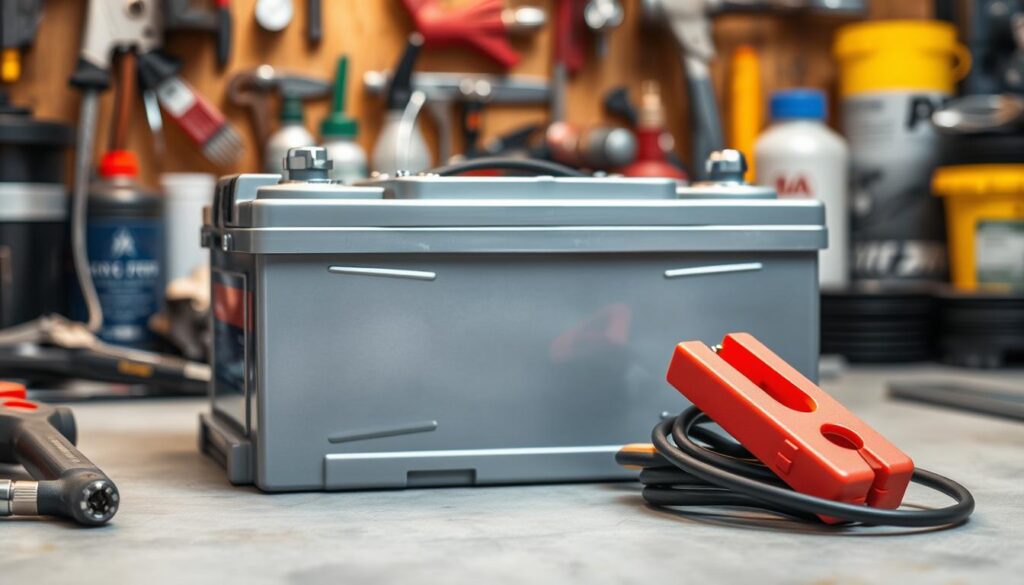
Corrosion on the battery terminals can significantly impact your battery’s performance. Regularly cleaning the terminals with a mixture of baking soda and water can help prevent this. Ensure the connections are tight and free of corrosion to maintain optimal battery function.
Regular Battery Testing
Regular testing is crucial to understanding your battery’s condition. Many auto parts stores offer free battery testing, which can provide insights into its health and indicate whether it needs to be replaced. This proactive approach can save you from unexpected breakdowns.
| Maintenance Task | Frequency | Benefit |
|---|---|---|
| Check Battery Terminals | Every 3 months | Prevents Corrosion |
| Battery Testing | Every 6 months | Identifies Potential Issues |
| Avoid Short Trips | Ongoing | Reduces Wear on Battery |
By implementing these strategies, you can extend the life of your car battery and ensure your vehicle remains reliable. Regular maintenance not only saves you money in the long run but also reduces the hassle of dealing with a dead battery.
When to Replace Your Car Battery
Understanding when to replace your car battery can save you from unexpected breakdowns and expenses. A car battery is considered the heart of your vehicle, providing the necessary power to start the engine and support various electrical systems.
Signs It’s Time for a Replacement
Several indicators suggest it’s time to replace your car battery. These include:
- A slow engine crank or difficulty starting the engine.
- Dim or flickering headlights.
- Warning lights on your dashboard, specifically the battery or check engine light.
- A swollen or bloated battery case due to extreme temperatures.
- Age of the battery; most batteries last between 3 to 5 years.
Choosing the Right Replacement Battery
Selecting the correct replacement battery is crucial for your vehicle’s performance. Consider the following factors:
| Factor | Description |
|---|---|
| Size and Type | Ensure the new battery is the correct size and type for your vehicle, as specified in your owner’s manual. |
| Cold Cranking Amps (CCA) | Choose a battery with a CCA rating that matches or exceeds your original battery’s rating. |
| Reserve Capacity (RC) | A higher RC means your battery can support your vehicle’s electrical system longer if the alternator fails. |
| Warranty | Look for a battery with a comprehensive warranty that covers replacement and prorated costs. |
Installation Tips for Your New Battery
Once you’ve acquired the right replacement battery, follow these installation tips:
- Ensure your vehicle is turned off and in park (automatic) or neutral (manual).
- Disconnect the negative (black) cable first, followed by the positive (red) cable.
- Remove any brackets or clamps holding the battery in place.
- Carefully lift out the old battery and replace it with the new one.
- Reconnect the positive cable first, then the negative cable.
- Check that all connections are secure and tighten any clamps or brackets.

By following these guidelines, you can ensure a smooth transition to a new car battery, maintaining your vehicle’s reliability and performance. Regular car battery maintenance and being aware of the signs for replacement can significantly extend the life of your new battery.
The Importance of Temperature in Battery Care
Temperature plays a crucial role in the longevity and performance of your car’s battery. Extreme temperatures, whether hot or cold, can significantly affect how your battery operates and its overall lifespan. Understanding these effects is essential for maintaining your car’s electrical system and ensuring your battery remains in good condition.
Effects of Cold Weather
Cold weather is particularly harsh on car batteries. Low temperatures can slow down the chemical reactions inside the battery, reducing its ability to hold a charge and provide the necessary power to start your car. In extreme cold, the battery’s performance can be significantly impaired, making it harder to start your engine. To maintain your car battery during cold weather, it’s essential to keep it fully charged and ensure that your electrical system is in good working order.
“Cold temperatures can reduce a battery’s cranking amps, making it harder to start your car,” notes a leading automotive expert. Ensuring your battery is well-maintained before the onset of winter can help mitigate these effects.
How Heat Impacts Battery Performance
On the other end of the spectrum, high temperatures can also have detrimental effects on your car battery. Heat can cause the battery fluid to evaporate, leading to internal damage. Moreover, high temperatures can accelerate the chemical reactions within the battery, potentially leading to a shorter lifespan. To maintain your car battery during hot weather, it’s crucial to check the battery’s water levels regularly (if applicable) and ensure that the battery terminals are clean and free from corrosion.
Key tips for maintaining your car battery in extreme temperatures include:
- Keeping the battery terminals clean and secure
- Ensuring the battery is fully charged, especially before extreme weather conditions
- Checking the battery’s age and considering replacement if it’s nearing the end of its lifespan
- Avoiding deep discharges, which can stress the battery
By understanding how temperature affects your car battery and taking proactive steps to maintain it, you can help extend its lifespan and ensure your car’s electrical system operates smoothly.
Eco-Friendly Battery Disposal
The disposal of car batteries in an environmentally responsible manner is not only a legal requirement in many areas but also a critical step towards reducing ecological footprint. As the automotive industry continues to grow, the number of batteries reaching the end of their life is increasing, making it essential to adopt sustainable disposal practices.
One of the most effective ways to dispose of old car batteries is through recycling. Recycling Options for Old Batteries are widely available, and many auto parts stores and service centers participate in battery recycling programs. These programs ensure that the hazardous materials within the batteries, such as lead and acid, are handled and processed in an environmentally safe manner.
Recycling Options for Old Batteries
When a car battery reaches the end of its life, it can be taken to a recycling center or an auto parts store that accepts old batteries for recycling. Many communities also have designated collection events for hazardous waste, including batteries. The recycling process involves breaking down the battery into its component parts, such as lead, plastic, and acid, which are then processed and reused in the production of new batteries or other products.
“Recycling car batteries is not just a good practice; it’s a necessity for protecting our environment,” says a leading environmental expert. “By recycling, we conserve natural resources, reduce landfill waste, and decrease the need for primary lead production, which is energy-intensive and has significant environmental impacts.”
“The lead from a single car battery can contaminate up to 800,000 liters of water if not disposed of properly.”
Safe Disposal Practices
For those looking to dispose of their car batteries safely, it’s crucial to follow Safe Disposal Practices. This includes handling the battery with care to avoid any damage that could lead to leakage of hazardous materials. When transporting the battery to a recycling center, it should be placed in a sturdy container to prevent any accidents.
It’s also important to be aware of the local regulations regarding battery disposal. Some communities have specific guidelines for the disposal of hazardous waste, including car batteries. By following these guidelines, individuals can ensure that their old car batteries are disposed of in a manner that protects both the environment and public health.
By adopting eco-friendly battery disposal practices, car owners can significantly contribute to environmental conservation. Not only does recycling help in conserving natural resources, but it also reduces the environmental hazards associated with the improper disposal of car batteries.
Common Myths About Car Batteries
There’s a lot of misinformation out there about car batteries, and it’s time to set the record straight. Many car owners believe certain myths about their car batteries that can lead to improper maintenance and potentially damage their vehicle’s electrical system.
Debunking Battery Myths
One common myth is that you need to regularly discharge your car battery completely before recharging it. However, this is not true for modern car batteries, which are designed to be maintained at a full state of charge. In fact, deep discharging can actually reduce the lifespan of your battery.
Another myth is that jump-starting a car can damage the electrical system. While it’s true that improper jump-starting can cause damage, doing it correctly is safe and won’t harm your car’s electrical system. It’s essential to follow the correct procedure to avoid any potential issues.
Facts vs. Fiction About Battery Maintenance
Many believe that car batteries require regular maintenance checks, such as checking the water level in the battery. While it’s true that some batteries require water level checks, many modern batteries are maintenance-free. It’s still crucial to inspect your battery terminals for corrosion and ensure they are clean and secure.
Some car owners also believe that a new battery will last forever if properly maintained. However, all batteries have a limited lifespan. Even with proper care, your car battery will eventually need to be replaced. Typically, a car battery lasts between 3 to 5 years, depending on various factors such as driving habits, weather conditions, and the quality of the battery itself.
To maintain your car battery effectively, it’s crucial to understand the facts and dispel the myths. Regularly checking your car’s electrical system and ensuring that your battery is properly installed and maintained can help extend its lifespan.
By understanding the truth about car batteries and their maintenance, you can take better care of your vehicle’s electrical system and avoid unnecessary repairs.
Resources for Further Learning
To further enhance your car battery maintenance skills, several resources are available. For those looking to dive deeper into battery care, having the right tools and equipment is essential. Recommended tools include a multimeter for checking the battery’s state of charge and a battery tester to assess its overall health.
Recommended Tools and Equipment
Investing in a good quality battery charger and a set of jumper cables can also be beneficial. Brands like Schumacher and NOCO offer reliable charging solutions. For more complex tasks, consider consulting online tutorials and guides that provide step-by-step instructions on car battery maintenance and repair.
Online Tutorials and Guides
Websites like Autozone’s Repair Help and O’Reilly Auto Parts’ DIY Guides offer comprehensive resources. If you’re not comfortable performing maintenance tasks yourself, seeking professional assistance is advisable. Many auto repair shops, such as those in the Meineke or Great Clips chain, offer battery testing and maintenance services.
Professional Assistance and Services
By leveraging these resources, you can ensure your car’s battery is properly maintained, extending its lifespan and preventing unexpected failures. Effective car battery maintenance is key to reliable vehicle performance.