



Maintaining the correct tire pressure is crucial for your vehicle’s overall performance and safety on the road. Properly inflated tires can improve fuel efficiency, handling, and braking performance. In this comprehensive guide, we will walk you through the importance of checking your tire pressure and provide tips on how to maintain the correct pressure.
Underinflated tires can lead to reduced traction, increased stopping distance, and even tire failure. On the other hand, overinflated tires can cause reduced grip and uneven tire wear. By following our car tire pressure guide, you can ensure your safety on the road and prolong the life of your tires.
Key Takeaways
- Proper tire pressure improves fuel efficiency and handling.
- Underinflated tires can lead to reduced traction and increased stopping distance.
- Regularly checking tire pressure is crucial for safety.
- Maintaining correct tire pressure prolongs tire life.
- Overinflated tires can cause reduced grip and uneven wear.
What is Tire Pressure and Why It Matters?
Proper tire pressure is essential for optimal vehicle handling, fuel efficiency, and safety. Tire pressure refers to the amount of air in your vehicle’s tires, measured in pounds per square inch (PSI). Maintaining the correct tire pressure is crucial for ensuring your vehicle’s optimal performance and prolonging the lifespan of your tires.
The Basics of Tire Pressure
Tire pressure is a critical aspect of vehicle maintenance. It is determined by the vehicle manufacturer and can be found on the tire information placard on the driver’s side doorjamb, inside the fuel filler door, or in the vehicle’s owner’s manual. The recommended tire pressure varies depending on the vehicle type, load, and driving conditions.
Key factors that influence tire pressure include:
- Vehicle type and load
- Driving conditions (e.g., highway, city, off-road)
- Weather and temperature changes
- Tire size and type
How Tire Pressure Affects Performance
Tire pressure significantly impacts your vehicle’s performance. Properly inflated tires ensure better traction, handling, and braking performance. Under-inflated tires can lead to reduced traction, increased stopping distance, and a higher risk of tire failure. On the other hand, over-inflated tires can cause reduced grip on the road, leading to poor handling and increased wear on the tire center.
The Safety Implications of Low Tire Pressure
Low tire pressure poses significant safety risks. Under-inflated tires are more prone to overheating, which can lead to tire blowouts, especially at high speeds. Moreover, under-inflated tires can compromise your vehicle’s handling, making it more difficult to control, particularly in emergency maneuvers.
| Tire Pressure Status | Safety Implications | Performance Impact |
|---|---|---|
| Under-inflated | Increased risk of tire failure, reduced handling | Poor traction, increased stopping distance |
| Over-inflated | Reduced grip, increased risk of tire damage | Poor handling, increased wear on tire center |
| Properly inflated | Optimal safety, reduced risk of tire failure | Better traction, handling, and braking performance |
By maintaining the correct tire pressure, you can significantly enhance your vehicle’s safety and performance. Regular checks and adjustments are crucial for ensuring your tires are always at the recommended pressure.
Understanding Recommended Tire Pressure Levels
Understanding the recommended tire pressure for your vehicle is key to ensuring optimal tire health. Maintaining the correct pressure is crucial for safety, efficiency, and overall performance.

Where to Find Tire Pressure Recommendations
The recommended tire pressure can typically be found on the tire information placard on the driver’s side doorjamb or in your vehicle’s owner’s manual. It’s essential to refer to these sources to ensure you’re getting the correct pressure for your specific vehicle.
Some vehicles may also have this information listed on the fuel filler door or on the inside of the trunk lid. If you’re still unsure, consulting your owner’s manual or contacting the manufacturer can provide clarity.
Difference Between Cold and Hot Tire Pressure
Tire pressure is categorized as either “cold” or “hot.” Cold tire pressure refers to the pressure when the tires are cold, meaning the vehicle has not been driven for at least three hours. Hot tire pressure is the pressure when the tires are warm or hot, typically after driving.
It’s crucial to check tire pressure when the tires are cold, as driving can heat up the tires and increase the pressure. The recommended pressure is usually given for cold tires, so checking when cold ensures you’re at the recommended level.
Always check tire pressure when the tires are cold to get an accurate reading.
Importance of Matching Pressure to Load
The load your vehicle is carrying significantly affects the tire pressure. When carrying heavy loads, tire pressure may need to be adjusted to compensate for the additional weight.
Failing to adjust tire pressure according to load can lead to under-inflation, which can cause tire damage, reduce fuel efficiency, and increase the risk of a tire blowout. Always check your vehicle’s manual for guidance on adjusting tire pressure for heavy loads.
By understanding and maintaining the recommended tire pressure, you can ensure your vehicle runs safely and efficiently. Regularly checking tire pressure and adjusting it according to the load and conditions can significantly impact your vehicle’s overall health.
How to Check Your Tire Pressure Safely
Maintaining the correct tire pressure is crucial for both safety and performance on the road. Checking your tire pressure regularly is a straightforward process that requires a few simple tools. In this section, we will walk you through the steps to check your tire pressure safely and accurately.
Tools You’ll Need for Accurate Measurement
To check your tire pressure, you’ll need a few basic tools: a tire pressure gauge, which can be digital or analog, and a tire valve cap remover if your valve caps are not easily removable. It’s recommended to use a high-quality tire pressure gauge for accurate readings.
Step-by-Step Guide to Checking Tire Pressure
Here’s a step-by-step guide to checking your tire pressure:
- Ensure your tires are cold, meaning your vehicle has not been driven for at least three hours.
- Remove the valve cap from the tire stem.
- Press the tire pressure gauge onto the valve stem and hold it firmly until the hissing sound stops.
- Take the reading on the gauge and compare it to the recommended pressure found on the tire’s information placard, usually on the driver’s side doorjamb or inside the fuel filler door.
- If the pressure is too low, add air; if it’s too high, release air.
- Replace the valve cap.
Tips for Regular Pressure Checks
To make tire pressure checks a habit, consider the following tips:
- Check your tire pressure at least once a month and before long trips.
- Keep your tire pressure gauge in an easy-to-reach location, such as the glove compartment.
- Double-check the pressure when you’re at a service station, as some may have different gauge calibrations.
By following these steps and tips, you can ensure your tire pressure is always at the recommended level, enhancing your vehicle’s safety and performance.
Common Causes of Tire Pressure Loss
Understanding the causes of tire pressure loss is essential for maintaining car tires effectively. Tire pressure loss can occur due to various factors, and being aware of these can help you take proactive steps to maintain the correct tire PSI.
Temperature Changes and Their Impact
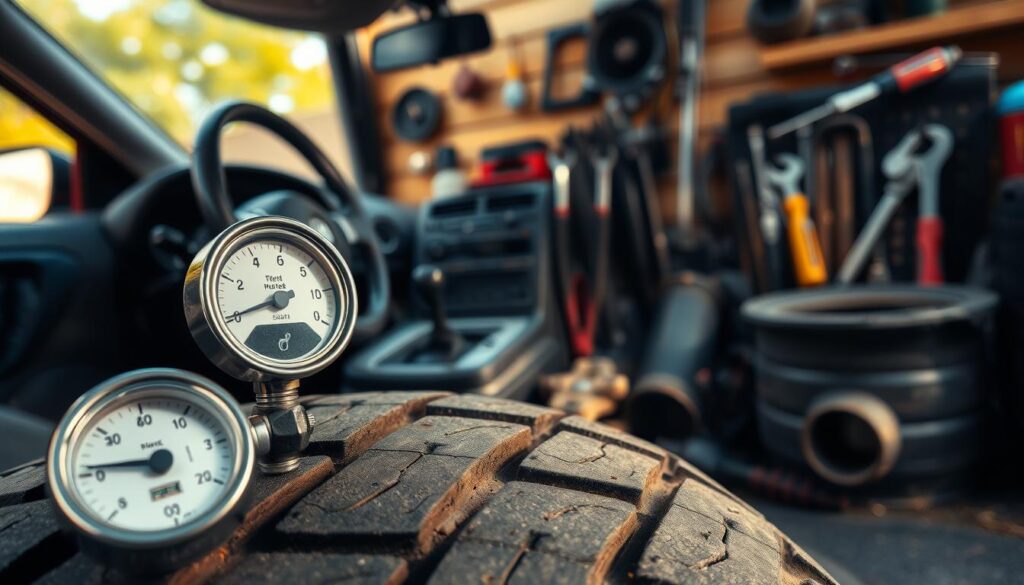
Temperature fluctuations are a significant factor in tire pressure loss. As temperatures drop, tire pressure decreases, and as temperatures rise, tire pressure increases. This is because the air inside the tire expands and contracts with temperature changes. For every 10°F change in temperature, tire pressure can change by about 1-2 PSI. It’s crucial to check tire pressure during different seasons to maintain the recommended level.
Regular checks during extreme weather conditions can help mitigate the effects of temperature on tire pressure. It’s also worth noting that tire pressure should be checked when the tires are cold, meaning the vehicle has not been driven for at least three hours.
Road Conditions That Affect Tire Pressure
Road conditions can also impact tire pressure. Driving on rough or debris-filled roads can cause tire damage, leading to pressure loss. Potholes, curbs, and other road hazards can puncture or damage tires, causing leaks. Moreover, driving at high speeds on highways can also lead to increased tire temperature, potentially affecting pressure.
Being mindful of road conditions and driving cautiously can help prevent tire damage and subsequent pressure loss. Regular inspections of tires for signs of damage are also recommended.
Wear and Tear Over Time
Over time, tires naturally lose air due to the permeability of the tire material and the gradual loss of air through the valve stem. Additionally, as tires wear out, their structural integrity can be compromised, potentially leading to leaks or other issues that affect tire pressure.
Regular tire inspections and maintenance are key to identifying and addressing wear and tear before it leads to significant pressure loss. Ensuring that tires are properly rotated and aligned can also help extend their lifespan and maintain optimal tire pressure.
By understanding and addressing these common causes of tire pressure loss, you can take steps to maintain the correct tire PSI, ensuring your vehicle remains safe to drive and your tires last longer.
The Link Between Tire Pressure and Fuel Efficiency
The relationship between tire pressure and fuel efficiency is more critical than many drivers realize. Maintaining the correct tire pressure is essential for optimizing your vehicle’s performance and reducing fuel consumption. When tires are under-inflated, they create more rolling resistance, which means your engine has to work harder to move the vehicle. This not only wastes fuel but also leads to increased emissions.
Under-inflated tires can lead to a significant decrease in gas mileage. According to the U.S. Department of Energy, properly inflated tires can improve your gas mileage by up to 3%. While this might seem like a small percentage, it can add up to significant savings over time, especially for those who drive long distances regularly.
How Proper Pressure Improves Gas Mileage
Proper tire pressure improves gas mileage by reducing the rolling resistance of the tires. When tires are inflated to the recommended pressure, they wear more evenly and are less likely to overheat, which can cause them to degrade faster. This not only improves fuel efficiency but also extends the life of the tires.
To illustrate the impact of tire pressure on fuel efficiency, consider the following table:
| Tire Pressure Condition | Effect on Fuel Efficiency |
|---|---|
| Under-inflated | Decreased fuel efficiency |
| Properly inflated | Optimal fuel efficiency |
| Over-inflated | Reduced traction, potential for uneven wear |
As shown, maintaining the correct tire pressure is crucial for achieving the best possible fuel efficiency.
Understanding Cost Savings with Correct Pressure
Maintaining the correct tire pressure can lead to substantial cost savings. By improving your gas mileage, you can reduce the amount of money spent on fuel over time. For instance, if you drive 15,000 miles per year and your vehicle averages 25 miles per gallon, a 3% improvement in gas mileage could save you around $30 per year, assuming fuel costs $3 per gallon.
“Properly inflated tires can improve your gas mileage by up to 3%.” – U.S. Department of Energy
While $30 might not seem like a lot, these savings can add up, especially when combined with other fuel-efficient practices. Moreover, properly inflated tires last longer, reducing the need for frequent replacements and further saving you money.
By following a car tire pressure guide and regularly checking your tire pressure, you can enjoy better fuel economy, reduce your environmental impact, and save money on fuel costs.
Signs of Improper Tire Pressure
Understanding the signs of improper tire pressure can save you from potential hazards on the road. Maintaining the right tire pressure is crucial for the overall performance and safety of your vehicle.
Warning Signs to Look For
There are several warning signs that indicate improper tire pressure. These include:
- Uneven tire wear
- Reduced fuel efficiency
- Increased risk of tire blowouts
- Poor handling and stability
- The tire pressure warning light on your dashboard
If you notice any of these signs, it’s essential to check your tire pressure as soon as possible.
How to Diagnose Under-inflated vs. Over-inflated Tires
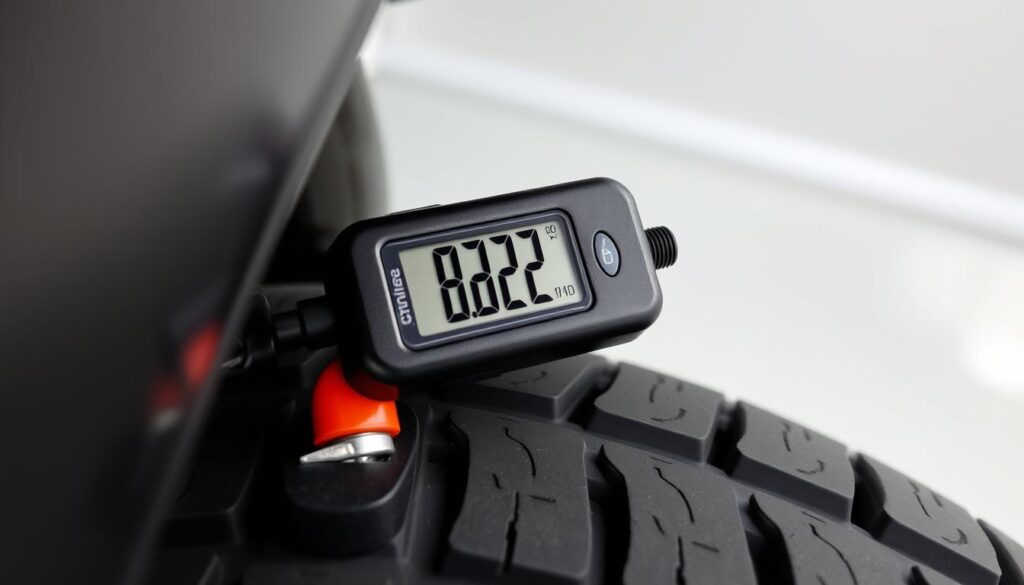
Diagnosing whether your tires are under-inflated or over-inflated involves a simple check. For under-inflated tires, look for signs such as:
- Excessive wear on the edges of the tire
- A soft or squishy feel when pressing on the tire
On the other hand, over-inflated tires may show:
- Excessive wear in the center of the tire
- A hard or rigid feel when pressing on the tire
| Condition | Signs | Effects |
|---|---|---|
| Under-inflated | Excessive edge wear, soft feel | Poor handling, increased risk of blowouts |
| Over-inflated | Excessive center wear, hard feel | Reduced traction, increased risk of damage |
Importance of Listening to Your Vehicle
Your vehicle can provide several cues that indicate improper tire pressure. For instance, a car with under-inflated tires may:
- Pull to one side while driving
- Make unusual noises
- Vibrate excessively
Being attentive to these changes can help you identify tire pressure issues early on. Regularly checking your tire pressure and adjusting it as needed is a simple yet effective way to ensure your safety on the road.
By following these tire safety tips and staying vigilant, you can enjoy a smoother, safer driving experience.
Tips for Maintaining Proper Tire Pressure
To keep your vehicle in top condition, maintaining the right tire pressure is essential. Proper tire inflation not only enhances safety but also improves fuel efficiency and prolongs the lifespan of your tires.
Best Practices for Regular Maintenance
Regular checks are crucial for maintaining the correct tire PSI. It’s recommended to check tire pressure at least once a month and before long trips. Use a reliable tire pressure gauge to ensure accuracy.
- Check tire pressure when tires are cold, as driving heats up the tires and can give a false reading.
- Refer to your vehicle’s owner’s manual for the recommended tire pressure.
- Inspect tires for signs of wear or damage during each check.
Using Technology for Accurate Monitoring
Modern technology offers several solutions for monitoring tire pressure. Tire Pressure Monitoring Systems (TPMS) can alert you to under-inflated tires, enhancing safety.
Benefits of TPMS include:
- Real-time monitoring of tire pressure.
- Alerts for under-inflated tires to prevent accidents.
- Improved fuel efficiency by maintaining optimal tire pressure.
Seasonal Adjustments to Tire Pressure
Tire pressure can be affected by temperature changes. As a general rule, tire pressure decreases by about 1 PSI for every 10°F drop in temperature. Therefore, it’s essential to adjust tire pressure seasonally.
For example:
- In colder climates, check tire pressure more frequently during winter months.
- In hotter climates, ensure tire pressure is not over-inflated during the summer.
By following these tips and staying vigilant about tire pressure, you can ensure your vehicle remains safe and efficient throughout the year.
Tire Pressure and Vehicle Safety Features
Maintaining the correct tire pressure is crucial for the optimal functioning of your vehicle’s advanced safety features. Properly inflated tires ensure that your vehicle’s safety systems, such as anti-lock braking systems (ABS) and traction control, operate as intended.
How Tire Pressure Affects Anti-lock Braking Systems (ABS)
Anti-lock braking systems (ABS) are designed to prevent the wheels of a vehicle from locking up during hard braking, thereby maintaining traction and preventing skidding. Proper tire pressure is essential for ABS to function correctly. Under-inflated tires can lead to reduced ABS effectiveness because they alter the dynamics of how the vehicle responds to braking inputs. When tires are under-inflated, the contact patch with the road is larger, which can cause the ABS system to work harder, potentially leading to longer stopping distances.

The Role of Tire Pressure in Traction Control
Traction control systems help prevent the wheels of a vehicle from losing traction while driving. Correct tire pressure is vital for the optimal performance of traction control. When tires are inflated to the recommended pressure, they provide the optimal contact patch with the road, allowing the traction control system to function as designed. Under-inflated tires can cause the system to work less efficiently, potentially leading to reduced vehicle stability and increased risk of accidents.
By maintaining the correct tire pressure, you not only ensure the longevity of your tires but also enhance the overall safety of your vehicle by maximizing the effectiveness of its safety features. Regular checks and adjustments to tire pressure are simple yet effective ways to contribute to a safer driving experience.
The Importance of Tire Pressure During Long Trips
Before you hit the road for a long trip, it’s essential to ensure your vehicle’s tire pressure is at the recommended level. Proper tire pressure is crucial for safety, fuel efficiency, and the overall performance of your vehicle. Long trips can be stressful on your tires, and under or over-inflated tires can lead to reduced traction, increased risk of tire failure, and decreased fuel efficiency.
Pre-Trip Checks for Safe Travels
Conducting a pre-trip check is vital to ensure your tires are properly inflated. Start by checking the tire pressure when the tires are cold, as driving can heat up the tires and give a false reading. Use a reliable tire pressure gauge to check the pressure against the recommended levels found on the tire information placard on the driver’s side doorjamb or in your vehicle’s owner’s manual.
Key steps for pre-trip checks include:
- Checking tire pressure when the tires are cold
- Using a reliable tire pressure gauge
- Comparing the pressure to the recommended levels
- Adjusting the pressure as necessary
Adjusting Pressure Based on Cargo Weight
The weight of your cargo can significantly impact your tire pressure. When carrying heavy loads, it’s essential to adjust your tire pressure accordingly. Check your vehicle’s manual for guidance on how to adjust tire pressure based on the load you’re carrying. Proper adjustment can help maintain optimal tire performance and safety.
Remember, overloading your vehicle can lead to increased tire wear and reduced safety.
Common Myths About Tire Pressure and Travel
There are several myths surrounding tire pressure and travel. One common myth is that tire pressure doesn’t need to be checked if the tires look fine. However, tire pressure can affect tire appearance, and under-inflated tires may not always look under-inflated. Another myth is that tire pressure doesn’t change with temperature. In reality, tire pressure can drop significantly in colder temperatures, making regular checks crucial.
Debunking these myths can help you maintain your car’s tires and ensure a safe journey.
Getting Help: When to Consult a Professional
While checking tire pressure can be a DIY task, certain situations require the expertise of a professional. Understanding when to seek help is crucial for maintaining tire safety and overall vehicle performance.
Signs That Professional Help is Needed
If you notice any of the following signs, it’s time to consult a professional:
- Unusual tire wear patterns
- Consistent loss of tire pressure
- Vehicle vibration while driving
- Unusual noises from the tires
Professional mechanics can diagnose issues that may not be apparent to the average driver, ensuring that your vehicle is safe to drive.
What to Expect During a Tire Pressure Consultation
During a tire pressure consultation, a professional will:
- Check the tire pressure and compare it to the recommended levels
- Inspect the tires for signs of wear or damage
- Provide recommendations for maintaining optimal tire pressure
- Adjust the tire pressure as needed
A consultation is not just about adjusting tire pressure; it’s about ensuring your vehicle’s overall safety and performance.
| Service | DIY | Professional |
|---|---|---|
| Tire Pressure Check | Easy, with a pressure gauge | Accurate, with precise equipment |
| Tire Inspection | Limited to visual inspection | Comprehensive, including tread depth and damage assessment |
| Tire Pressure Adjustment | Simple, but may not be accurate | Accurate, with adjustments based on vehicle specifications |
Comparing DIY vs. Professional Approaches
While DIY tire pressure checks are convenient, there are significant benefits to consulting a professional. Professionals have the training and equipment to provide accurate assessments and adjustments, ensuring your tires are properly maintained.
“Proper tire maintenance is not just about safety; it’s also about optimizing your vehicle’s performance and fuel efficiency.” –
By knowing when to consult a professional, you can ensure that your tires receive the care they need, enhancing both safety and performance.

Frequently Asked Questions About Tire Pressure
Tire pressure FAQs can help clarify common misconceptions about car tire maintenance. Many drivers have questions about the importance of tire pressure, how often it should be checked, and whether it’s the same for all tires.
Common Misconceptions
One common misconception is that tire pressure doesn’t significantly affect vehicle performance. However, proper tire pressure is crucial for optimal handling, fuel efficiency, and safety. Another misconception is that tire pressure remains constant over time, which is not true due to factors like temperature changes and tire wear.
How Often Should Tire Pressure Be Checked?
It’s recommended to check tire pressure at least once a month and before long trips. Tire pressure should be checked when the tires are cold, meaning the vehicle has not been driven for at least three hours. This ensures an accurate reading.
| Checking Frequency | Why It’s Important |
|---|---|
| Monthly | Maintains optimal tire pressure for safety and efficiency |
| Before Long Trips | Ensures tire pressure is appropriate for the load and distance |
Is Tire Pressure Equal for All Tires?
No, tire pressure is not always equal for all tires. The recommended pressure can vary between the front and rear tires, and it’s specified by the vehicle manufacturer. You can find this information on a placard on the driver’s side doorjamb or in the vehicle’s owner’s manual.
By understanding and maintaining the correct tire pressure, drivers can improve their vehicle’s performance, enhance safety, and reduce fuel consumption.
Resources for Further Information and Assistance
To maintain car tires effectively, it’s essential to have access to reliable resources and information. For those seeking additional guidance on tire pressure and safety, several valuable resources are available.
Government Guidelines and Recommendations
The National Highway Traffic Safety Administration (NHTSA) provides official recommendations on tire safety, including guidelines for proper tire pressure. Visiting the NHTSA website can offer insights into maintaining tire health and safety tips.
Tire Manufacturer Resources
Tire manufacturers such as Michelin and Goodyear offer detailed guidelines on their websites for maintaining tires, including recommended pressure levels and safety tips. These resources can be invaluable for car owners looking to ensure their tires are properly maintained.
Online Tools for Tire Maintenance
Several online tools and apps, such as Tire Pressure Monitoring System (TPMS) apps, are available to help track and maintain optimal tire pressure. These tools can provide timely reminders and alerts to ensure tire safety and efficiency, aiding in maintaining car tires.