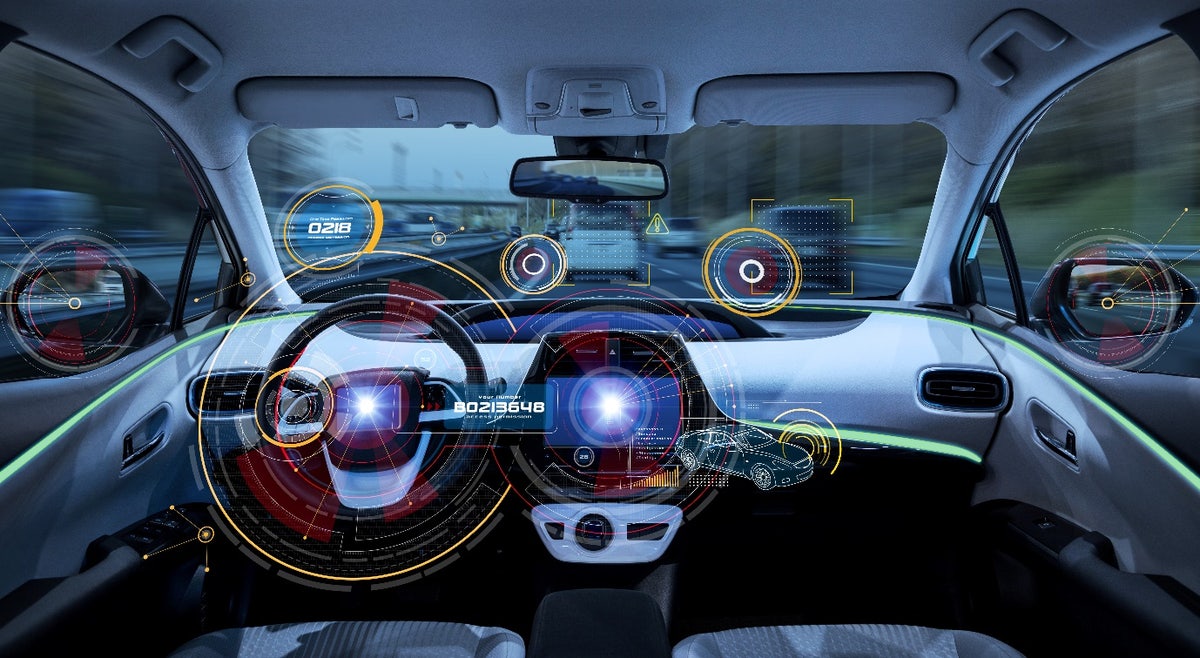





The automotive industry is on the cusp of a revolution, driven by advancements in automotive technology and shifting social demands. As we move towards 2025, the future of mobility is expected to be more flexible, individualized, and compatible.
The year 2025 is poised to bring significant changes with the integration of smart car features and innovative car technology trends. These advancements are set to transform the way we experience transportation, making it safer, more efficient, and environmentally friendly.
Key Takeaways
- Advancements in automotive technology driving industry change
- Increased focus on smart car features for enhanced safety
- Emergence of new car technology trends for improved efficiency
- Greater emphasis on sustainability and environmental compatibility
- Integration of innovative technologies for a more personalized mobility experience
The Rise of Electric Vehicles (EVs)
The automotive industry is witnessing a significant shift with the rise of electric vehicles (EVs). As environmental concerns continue to grow, EVs are becoming an attractive alternative to traditional gasoline-powered vehicles. “The future of transportation is electric,” says Elon Musk, CEO of Tesla, a leading EV manufacturer.
The Growing EV Market
The electric vehicle market is experiencing rapid growth, driven by advancements in battery technology and government incentives. China is expected to remain a leading manufacturer of electric vehicles, with companies like BYD and NIO leading the charge.
Key factors contributing to the growth of the EV market include:
- Increasing consumer demand for eco-friendly vehicles
- Government policies supporting EV adoption
- Advancements in battery technology
Impact on Infrastructure
The rise of EVs is also having a significant impact on infrastructure, with a growing need for charging stations and other supporting infrastructure. As the EV market continues to grow, investments in infrastructure will be crucial to support the increasing demand.
“The growth of EVs will require significant investments in charging infrastructure, but it’s a necessary step towards a more sustainable transportation system.”
Key Manufacturers Leading the Charge
Several key manufacturers are leading the charge in the EV market, including Tesla, BYD, and NIO. These companies are not only producing high-quality EVs but also investing heavily in research and development to improve battery technology and other critical components.
Some of the key players in the EV market include:
- Tesla
- BYD
- NIO
- Volkswagen
- BMW
Evolution of Autonomous Driving
The evolution of autonomous driving is transforming the automotive industry. Autonomous vehicles (AVs) are being increasingly integrated into our transportation systems, promising to enhance safety, reduce traffic congestion, and improve mobility for the elderly and disabled.
Levels of Automation Explained
The Society of Automotive Engineers (SAE) has defined six levels of driving automation, ranging from Level 0 (no automation) to Level 5 (full automation).
- Level 0: No automation, where the driver is in complete control.
- Level 1: Driver assistance, where vehicles are equipped with features like adaptive cruise control.
- Level 2: Partial automation, where vehicles can control steering and acceleration/deceleration.
- Level 3: Conditional automation, where vehicles can make decisions but require human oversight.
- Level 4: High automation, where vehicles can operate independently in most scenarios.
- Level 5: Full automation, where vehicles are fully autonomous.
Currently, many vehicles on the market are at Level 2, with some moving towards Level 3.
Major Players in Self-Driving Tech
Several companies are leading the charge in autonomous driving technology.
- Tesla: Known for its Autopilot system, Tesla is a pioneer in AV technology.
- Waymo: A subsidiary of Alphabet Inc., Waymo is testing fully autonomous vehicles.
- General Motors: Through its subsidiary Cruise, GM is developing AV technology.
These companies are investing heavily in research and development to bring fully autonomous vehicles to market.
Regulations and Safety Standards
As autonomous driving technology advances, regulations and safety standards are being developed. Governments worldwide are working to create frameworks that ensure the safe deployment of AVs. This includes standards for cybersecurity, data protection, and liability in the event of an accident.
| Country | Regulatory Status | Key Provisions |
|---|---|---|
| United States | Developing federal guidelines | Encouraging AV testing, setting safety standards |
| Europe | Implementing EU-wide regulations | Focusing on safety, cybersecurity, and data protection |
| China | Establishing national standards | Promoting AV development, setting testing regulations |
Advanced Driver-Assistance Systems (ADAS)
The increasing prevalence of Advanced Driver-Assistance Systems (ADAS) is revolutionizing the automotive industry. ADAS encompasses a range of technologies designed to enhance vehicle safety and improve the driving experience.

Features Enhancing Safety
ADAS includes various features that significantly enhance safety on the road. Adaptive cruise control and lane centering are among the most notable advancements, allowing vehicles to maintain a safe distance and stay within lane boundaries.
Other critical features include automatic emergency braking and blind-spot monitoring, which help prevent accidents by providing drivers with real-time alerts and interventions.
Integration with Connected Vehicles
The integration of ADAS with connected vehicles is paving the way for a more sophisticated driving experience. By leveraging vehicle-to-everything (V2X) communication, ADAS can interact with other vehicles and infrastructure, enhancing safety and efficiency.
This connectivity enables the sharing of real-time data, facilitating smart traffic management and reducing the likelihood of accidents.
As ADAS continues to evolve, it is expected to play a crucial role in the development of fully autonomous vehicles. The synergy between ADAS and connected vehicle technology will be instrumental in shaping the future of the automotive industry.
The Role of Artificial Intelligence in Automotive
Artificial intelligence is revolutionizing the automotive industry in ways previously unimaginable. By integrating AI into various aspects of automotive technology, manufacturers are not only enhancing the driving experience but also improving safety and efficiency.
AI in Predictive Maintenance
Predictive maintenance is one of the critical areas where AI is making a significant impact. By analyzing data from various vehicle sensors, AI algorithms can predict when maintenance is required, reducing the likelihood of unexpected breakdowns.
Benefits of AI in Predictive Maintenance:
- Reduced downtime
- Lower maintenance costs
- Improved vehicle safety
According to a report by McKinsey, predictive maintenance can reduce maintenance costs by up to 30% and decrease downtime by up to 50%. This is a significant advantage for both vehicle owners and manufacturers.
| Benefits | Description | Impact |
|---|---|---|
| Reduced Downtime | Predictive maintenance minimizes unexpected breakdowns. | Up to 50% reduction |
| Lower Maintenance Costs | AI-driven maintenance scheduling reduces costs. | Up to 30% reduction |
| Improved Safety | Regular maintenance ensures vehicle safety. | Enhanced driver and passenger safety |
Personalized Driving Experiences
AI is also being used to create personalized driving experiences. By analyzing driver behavior and preferences, AI can adjust various vehicle settings to enhance comfort and convenience.
“The future of driving is not just about getting from point A to point B; it’s about creating an experience that is tailored to the individual’s needs and preferences.” – Mary Barra, CEO of General Motors.
Personalization can include adjusting seat positions, climate control, and even entertainment systems. This not only enhances the driving experience but also increases driver satisfaction and comfort.
As AI continues to evolve, we can expect even more sophisticated applications in the automotive industry, from enhanced predictive maintenance to even more personalized driving experiences.
Connectivity and the Internet of Things (IoT)
In 2025, the automotive technology trends are heavily influenced by the advancements in IoT and connected vehicles. The Internet of Things is revolutionizing the way vehicles interact with their surroundings, making them smarter and more connected than ever before.
Smart Cars and Their Benefits
Smart cars, enabled by IoT, offer a plethora of benefits to drivers, including enhanced safety features, improved driver experience, and increased convenience. These vehicles can communicate with other cars and infrastructure, providing real-time updates on traffic, weather, and road conditions.
Key benefits of smart cars include:
- Enhanced safety through real-time monitoring and alerts
- Improved driver experience with personalized settings and recommendations
- Increased convenience through seamless integration with other smart devices
Vehicle-to-Vehicle Communication
Vehicle-to-vehicle (V2V) communication is a critical aspect of IoT in the automotive industry. It enables vehicles to share information with each other, such as speed, position, and braking status, to prevent accidents and improve traffic flow.
The benefits of V2V communication are multifaceted:
- Reduced risk of accidents through early warning systems
- Improved traffic management by optimizing traffic signal timing
- Enhanced driver awareness through real-time information sharing
A comparison of traditional vehicles versus connected vehicles highlights the advancements in IoT technology:
| Feature | Traditional Vehicles | Connected Vehicles |
|---|---|---|
| Safety Features | Limited to onboard systems | Real-time monitoring and V2V communication |
| Driver Experience | Basic infotainment systems | Personalized settings and recommendations |
| Connectivity | Limited connectivity | Seamless integration with smart devices and infrastructure |
Sustainability Trends in Automotive Technology
The automotive sector is witnessing a significant shift towards sustainability, driven by innovations in technology. This transformation is not only about reducing the environmental footprint but also about creating a more efficient and responsible industry.
Eco-Friendly Manufacturing Processes
One of the key areas of focus is the adoption of eco-friendly manufacturing processes. Companies are now investing heavily in renewable energy sources, such as solar and wind power, to reduce their dependence on fossil fuels. For instance, BMW has implemented a carbon-neutral production process in their manufacturing plants, setting a new standard for the industry.
The use of recycled materials in vehicle production is another significant trend. Manufacturers are incorporating recycled plastics and metals into their vehicles, reducing waste and the demand for virgin materials. This approach not only benefits the environment but also helps in reducing production costs.

The Future of Sustainable Materials
The future of automotive technology is closely tied to the development and use of sustainable materials. Researchers are exploring the potential of bio-based materials, such as carbon fiber made from biomass, to replace traditional materials. These innovative materials offer the potential for significant weight reduction, improved fuel efficiency, and lower emissions.
| Material | Traditional Use | Sustainable Alternative |
|---|---|---|
| Carbon Fiber | Aerospace, Sports Equipment | Bio-based Carbon Fiber |
| Plastics | Vehicle Interiors, Exteriors | Recycled Plastics, Bioplastics |
| Metals | Engine Blocks, Body Frames | Recycled Metals, Aluminum |
As the automotive industry continues to evolve, the integration of sustainable materials and eco-friendly manufacturing processes will play a crucial role in shaping its future. By embracing these trends, manufacturers can not only reduce their environmental impact but also improve their bottom line through cost savings and enhanced brand reputation.
The Influence of 5G Technology
5G technology is set to dramatically improve the efficiency and safety of vehicles through advanced real-time data processing. This technological leap is transforming the automotive industry by enabling faster and more reliable communication between vehicles and infrastructure.
Enhancements in Communication
The introduction of 5G technology brings significant enhancements in communication within the automotive sector. With its high-speed data transfer capabilities, 5G enables vehicle-to-everything (V2X) communication, which includes vehicle-to-vehicle (V2V), vehicle-to-infrastructure (V2I), and vehicle-to-pedestrian (V2P) interactions. This facilitates a more connected and safer driving environment.
For instance, with 5G, vehicles can share their speed, position, and other critical data in real-time, allowing for more effective collision avoidance systems and smarter traffic management. Moreover, the low latency of 5G networks ensures that data is transmitted almost instantaneously, which is crucial for real-time applications.
Real-Time Data Processing for Vehicles
One of the most significant benefits of 5G technology in the automotive industry is its ability to support real-time data processing. This capability is vital for the operation of advanced driver-assistance systems (ADAS) and autonomous vehicles. By processing data in real-time, vehicles can make quicker decisions, enhancing safety and efficiency.
Real-time data processing also enables the continuous monitoring of vehicle health, allowing for predictive maintenance and reducing the likelihood of mechanical failures. Furthermore, it supports the development of more sophisticated infotainment systems, providing drivers with a more personalized and engaging experience.
In conclusion, the influence of 5G technology on the automotive industry is profound, offering enhancements in communication and real-time data processing that are set to revolutionize the sector. As 5G continues to roll out, we can expect to see significant improvements in vehicle safety, efficiency, and overall driving experience.
Vehicle Ownership Models: The Shift to Subscription Services
As car tech trends evolve, subscription services are becoming an attractive alternative to traditional vehicle ownership. This shift is driven by consumers’ desire for flexibility and the convenience of having access to a vehicle without the long-term commitment of ownership.
Benefits of Subscription Over Ownership
Subscription services offer several benefits over traditional ownership models. These include:
- Flexibility: Subscribers can switch vehicles or cancel their subscription as needed, providing a level of flexibility that ownership does not.
- Convenience: Maintenance and insurance are often included in the subscription fee, reducing the administrative burden on the consumer.
- Access to Newer Vehicles: Subscribers can drive newer vehicles more frequently, enjoying the latest technological advancements and safety features.
Popular Subscription Models
Several subscription models are gaining popularity, catering to different consumer needs. Some of the most popular models include:
- All-Inclusive Plans: These plans cover everything from maintenance to insurance, providing a hassle-free experience.
- Short-Term Rentals: Ideal for consumers who need a vehicle for a short period, these rentals offer flexibility without long-term commitments.
- Vehicle Swapping: Some services allow subscribers to swap their vehicle for a different model, providing variety and flexibility.
As the automotive industry continues to evolve, it’s likely that subscription services will play an increasingly important role in shaping vehicle ownership models. With the benefits of flexibility, convenience, and access to newer vehicles, it’s no wonder that consumers are embracing this new paradigm.
The Impact of Augmented Reality (AR)
AR is making significant inroads in the automotive world, enhancing both safety and driver experience. The integration of augmented reality technology is transforming the way drivers interact with their vehicles and the road.
AR Navigation Tools
One of the most exciting applications of AR in the automotive sector is in navigation. AR navigation tools overlay digital information onto the real world, providing drivers with a more intuitive and less distracting way to navigate. For instance, AR can display directions and points of interest directly on the windshield, allowing drivers to keep their eyes on the road.
Some of the key benefits of AR navigation include:
- Enhanced visual cues for turns and exits
- Real-time traffic updates and rerouting
- Points of interest highlighted in real-time
Driver Assistance Through AR
Beyond navigation, AR is also being used to enhance driver assistance systems. By overlaying critical information onto the driver’s field of view, AR can help reduce distractions and improve safety. For example, AR can highlight potential hazards, display vehicle diagnostics, or even provide real-time feedback on driving habits.
| Feature | Description | Benefit |
|---|---|---|
| AR Hazard Alerts | Highlights potential hazards on the road | Improved safety |
| Vehicle Diagnostics | Displays vehicle status and diagnostics | Reduced maintenance costs |
| Driving Feedback | Provides real-time feedback on driving habits | Enhanced driver performance |
The use of AR in driver assistance is expected to become more prevalent, offering a more integrated and intuitive driving experience. As smart car features continue to evolve, AR will play a crucial role in shaping the future of automotive technology.
Higher Customization Through Software Updates
Software updates are revolutionizing the automotive landscape, enabling higher customization. This shift is largely driven by advancements in technology, allowing car manufacturers to offer more personalized experiences for drivers.
The ability to customize vehicles through software updates is a significant advantage for both manufacturers and consumers. It allows for the introduction of new features, improvement of existing ones, and even the rectification of issues without the need for physical visits to service centers.
Over-the-Air (OTA) Updates Explained
Over-the-Air (OTA) updates are a key component of this customization trend. OTA updates enable vehicles to receive software updates remotely, eliminating the need for physical access to the vehicle. This technology not only enhances the user experience but also streamlines the update process for manufacturers.
The benefits of OTA updates include:
- Improved vehicle performance and security
- Enhanced user experience through new features and functionalities
- Reduced need for physical recalls, saving time and resources
Consumer Expectations for Updates
Consumers now expect their vehicles to be as adaptable and upgradable as their smartphones. This expectation is driving the demand for more frequent and seamless software updates. Manufacturers are responding by investing in OTA update technologies and developing strategies to keep their vehicles updated and competitive.
Key consumer expectations include:
- Regular updates that add new features and improve performance
- Seamless integration of updates without disrupting vehicle usage
- Transparency regarding the content and benefits of updates
By meeting these expectations, manufacturers can enhance customer satisfaction, build brand loyalty, and stay ahead in the competitive automotive market.
Future Challenges and Considerations
The automotive industry is on the cusp of a revolution, driven by advancements in automotive technology. As vehicles become increasingly connected and autonomous, new challenges emerge that must be addressed to ensure a safe and innovative future.
Cybersecurity in Connected Vehicles
One of the significant challenges facing the industry is addressing cybersecurity concerns. As vehicles rely more heavily on software and connectivity, the risk of cyber threats grows. Manufacturers must prioritize robust cybersecurity measures to protect vehicles and their occupants.
Innovation and Regulatory Frameworks
Balancing innovation with regulation is another critical consideration. Regulatory frameworks must evolve to keep pace with the rapid advancements in automotive technology, ensuring that safety and security standards are maintained without stifling innovation. Effective regulation will be crucial in shaping the future of the industry.
By addressing these challenges, the automotive industry can continue to push the boundaries of what is possible, creating a safer, more sustainable, and more connected driving experience for all.
FAQ
What are the top automotive technology trends in 2025?
How is the electric vehicle market expected to grow?
What are the levels of automation in autonomous driving?
How do Advanced Driver-Assistance Systems (ADAS) enhance safety?
What role does artificial intelligence play in the automotive industry?
How does 5G technology impact the automotive industry?
What are the benefits of subscription services over traditional vehicle ownership?
How does augmented reality (AR) enhance the driving experience?
What are the cybersecurity concerns in the automotive industry?
How do software updates improve vehicle performance?