




As automotive technology advances, vehicles are becoming increasingly safer on the roads. The Insurance Institute for Highway Safety (IIHS) is at the forefront of testing vehicles, pushing manufacturers to innovate and improve crash avoidance technologies. With the ever-evolving landscape of automotive innovations, it’s crucial for consumers to be aware of the latest car safety features when purchasing a vehicle.
The IIHS tests challenge vehicles in new ways, better replicating real-world crashes. This has led to significant improvements in vehicle safety. As we look towards 2025, there are several key technologies to look out for.
Key Takeaways
- Advanced crash avoidance technologies are becoming standard
- Vehicles are being tested for real-world crash scenarios
- Key safety features will be highlighted for the 2025 models
- Manufacturers are innovating to improve safety ratings
- Consumers should prioritize these features when buying a vehicle
The Importance of Car Safety Technology
The importance of car safety technology cannot be overstated, as it plays a crucial role in preventing accidents. Human error is the leading cause of most car accidents, but technology is on its way to greatly reduce the number of road accidents.
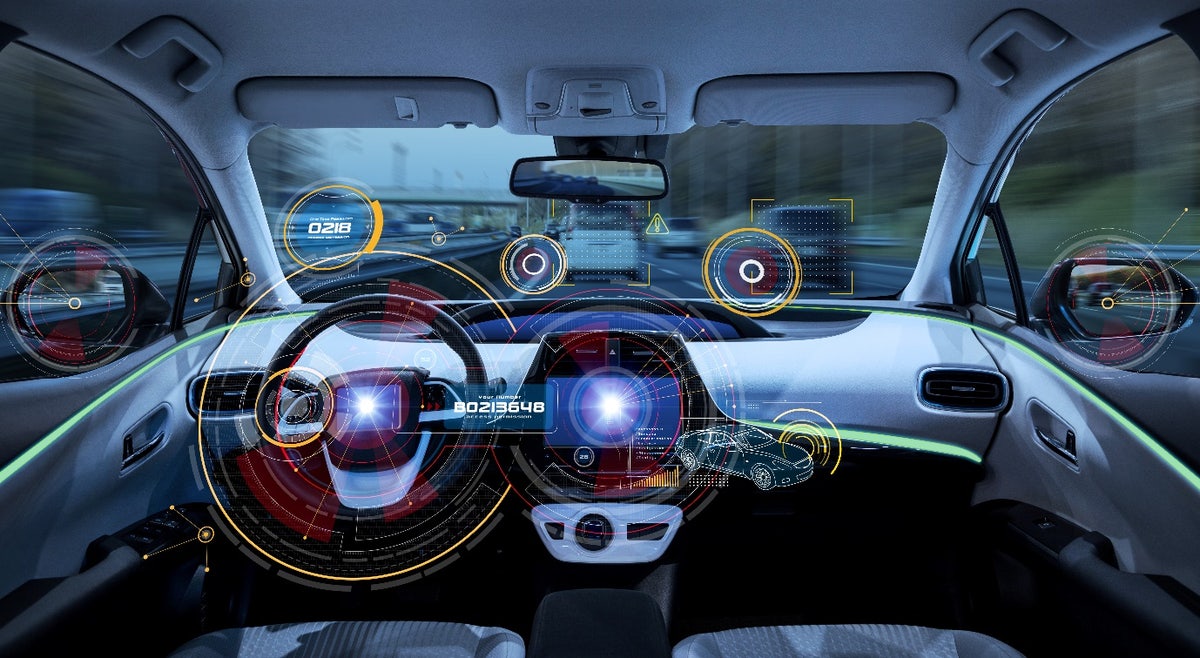
Advanced Driver-Assistance Systems (ADAS) have become a vital component of modern vehicles. Features like collision warning systems are becoming increasingly common, enhancing the overall safety of drivers and passengers.
Why Safety Matters in Modern Vehicles
Safety matters significantly in modern vehicles because it directly impacts the well-being of drivers, passengers, and pedestrians. Car safety features such as lane departure warning and blind spot detection are designed to mitigate risks associated with human error.
“The development and implementation of car safety technology is a critical step towards achieving the goal of zero road fatalities,” says a leading automotive safety expert.
How Technology Has Evolved
Over the years, car safety technology has evolved dramatically. From basic safety features like airbags and anti-lock braking systems (ABS) to advanced systems like adaptive cruise control and automatic emergency braking, the progress has been significant.
- Introduction of electronic stability control
- Development of lane-keeping assistance
- Implementation of collision warning systems
The Role of Consumer Awareness
Consumer awareness plays a pivotal role in promoting car safety technology. As consumers become more informed about the benefits of ADAS and other safety features, the demand for safer vehicles increases.
Manufacturers are responding by incorporating more advanced safety features into their vehicles, thereby driving innovation in the industry.
Adaptive Cruise Control: What You Need to Know
With the advent of adaptive cruise control, drivers can now enjoy a safer and more convenient driving experience. This technology, a key component of advanced driver-assistance systems (ADAS), allows vehicles to maintain a safe distance from the vehicle ahead, reducing the risk of rear-end collisions.
How It Works and Its Benefits
Adaptive cruise control uses a combination of sensors and cameras to monitor the road ahead. When a vehicle is detected, the system adjusts the speed to maintain a safe following distance. This not only enhances safety but also reduces driver fatigue on long journeys.
Key benefits include:
- Enhanced safety through reduced stopping distances
- Reduced driver fatigue on long trips
- Improved fuel efficiency through optimized speed control
Features to Look For in 2025
As adaptive cruise control technology continues to evolve, several new features are expected to become standard in 2025 models. These include improved sensor accuracy, enhanced curve handling, and better integration with other safety features like lane assist.
| Feature | Description | Benefit |
|---|---|---|
| Improved Sensor Accuracy | Enhanced detection of vehicles and obstacles | Reduced risk of false activations |
| Curve Handling | Adaptive speed adjustment in curves | Improved safety on winding roads |
| Integration with Lane Assist | Combined operation with lane-keeping assistance | Enhanced overall safety and convenience |
When selecting a vehicle with adaptive cruise control in 2025, look for these advanced features to ensure you’re getting the latest in safety technology.
Automatic Emergency Braking: A Life-Saving Innovation
Automatic Emergency Braking (AEB) is revolutionizing vehicle safety by automatically applying the brakes to prevent or mitigate collisions. This critical safety feature has the potential to significantly reduce the number of accidents on our roads.
Key Features of Automatic Emergency Braking
AEB systems utilize a combination of sensors and cameras to monitor the vehicle’s surroundings, detecting potential collisions with other vehicles, pedestrians, or obstacles. When a potential collision is detected, the system can automatically apply the brakes or provide a warning to the driver to take action.
- Collision Warning: Alerts the driver of a potential collision, giving them time to react.
- Automatic Braking: Automatically applies the brakes to prevent or mitigate a collision.
- Pedestrian Detection: Some AEB systems can detect pedestrians and apply the brakes to prevent accidents.
Future Developments in This Technology
As automotive technology continues to evolve, we can expect AEB systems to become even more sophisticated. Future developments may include enhanced sensor capabilities, improved pedestrian detection, and integration with other safety features such as lane-keeping assistance and adaptive cruise control.
The ongoing advancements in AEB technology are expected to further reduce the number of accidents on our roads, making our vehicles safer for everyone.
Lane-Keeping Assistance: Staying on the Right Path
As a key component of Advanced Driver-Assistance Systems (ADAS), lane-keeping assistance plays a significant role in reducing road accidents by ensuring vehicles stay within their designated lanes.
How This Technology Works
Lane-keeping assistance utilizes a combination of cameras and sensors to monitor the vehicle’s position on the road. When the system detects that the vehicle is drifting out of its lane, it can either alert the driver or make subtle adjustments to the steering to keep the vehicle on course.
Key features of lane-keeping assistance include:
- Lane detection using cameras
- Sensor data processing for accurate vehicle positioning
- Alert systems for driver notification
- Automatic steering adjustments
New Features Coming in 2025
The technology behind lane-keeping assistance is continually evolving. In 2025, we can expect to see several advancements, including improved camera accuracy, enhanced sensor data processing, and more sophisticated AI algorithms to predict and prevent lane departures.
Some of the anticipated features include:
- Enhanced lane detection in complex road conditions
- Integration with other ADAS features for comprehensive safety
- Personalization options for drivers to customize lane-keeping assistance

Lane-keeping assistance is a vital safety feature that is becoming increasingly prevalent in modern vehicles. As technology continues to advance, we can expect even more sophisticated systems that enhance road safety and reduce the risk of accidents.
Blind Spot Detection: Enhancing Visibility
One of the most significant advancements in car safety technology is the development of blind spot detection systems. These systems have become increasingly important in modern vehicles, providing drivers with an additional layer of safety on the roads.
The Benefits of Blind Spot Detection Systems
Blind spot detection systems are designed to alert drivers to vehicles in their blind spot, significantly reducing the risk of accidents. The benefits of these systems include:
- Enhanced Safety: By detecting vehicles in the blind spot, these systems help prevent lane-changing accidents.
- Increased Driver Confidence: Drivers feel more secure when changing lanes, knowing that the system is monitoring their blind spots.
- Reduced Stress: The added layer of safety reduces driver stress, especially during long trips or in heavy traffic.
According to a study by the National Highway Traffic Safety Administration (NHTSA), blind spot detection systems can reduce the incidence of lane-change crashes by up to 14%. As noted by the NHTSA, “Blind spot detection systems are an effective countermeasure for lane-change crashes.”
“The development of blind spot detection systems is a significant step forward in vehicle safety. It’s a feature that we’re seeing become more standard across many models.”
Upcoming Innovations in 2025 Models
As technology continues to evolve, we can expect to see significant advancements in blind spot detection systems in 2025 models. Some of the upcoming innovations include:
| Innovation | Description | Expected Benefit |
|---|---|---|
| Enhanced Sensor Technology | Improved sensors will provide more accurate and timely detection of vehicles in the blind spot. | Reduced false alarms and enhanced safety |
| Integration with Other Safety Features | Blind spot detection will be integrated with other safety features like lane-keeping assistance and adaptive cruise control. | Comprehensive safety package for vehicles |
| Advanced Warning Systems | More sophisticated warning systems will alert drivers to potential dangers more effectively. | Increased driver awareness and reaction time |
As these innovations become more prevalent, drivers can expect a safer and more enjoyable driving experience. The continued development of blind spot detection systems is a testament to the automotive industry’s commitment to safety.
360-Degree Cameras: A Comprehensive View
Enhancing safety and convenience, 360-degree cameras offer a complete view of the vehicle’s surroundings. This technology is becoming increasingly prevalent in modern vehicles, providing drivers with a significant edge in avoiding potential hazards.
The Technology Behind 360-Degree Cameras
The technology behind 360-degree cameras involves the use of multiple cameras positioned around the vehicle. These cameras capture images that are then stitched together to create a comprehensive view of the surroundings, displayed on the vehicle’s infotainment screen.
Key components of 360-degree camera systems include:
- Multiple wide-angle cameras
- Advanced image processing software
- High-resolution display screens
Advantages for Drivers and Passengers
The integration of 360-degree cameras into vehicles offers numerous benefits for both drivers and passengers. For drivers, these systems enhance safety by providing visibility around the vehicle, reducing blind spots, and aiding in parking maneuvers.
As noted by safety experts, “The use of 360-degree cameras can significantly reduce the risk of accidents, particularly in low-visibility conditions.” This is a crucial advancement in Advanced Driver Assistance Systems (ADAS), contributing to a safer driving experience.
For passengers, the enhanced safety features provide peace of mind, knowing that the vehicle is equipped with cutting-edge technology designed to protect them.
Some of the key advantages include:
- Improved safety through enhanced visibility
- Reduced risk of accidents during parking and low-speed maneuvers
- Assistance in navigating tight spaces
In conclusion, 360-degree cameras represent a significant advancement in car safety features, offering a comprehensive view that enhances safety and convenience for drivers and passengers alike.
Vehicle-to-Vehicle Communication: The Future of Safety
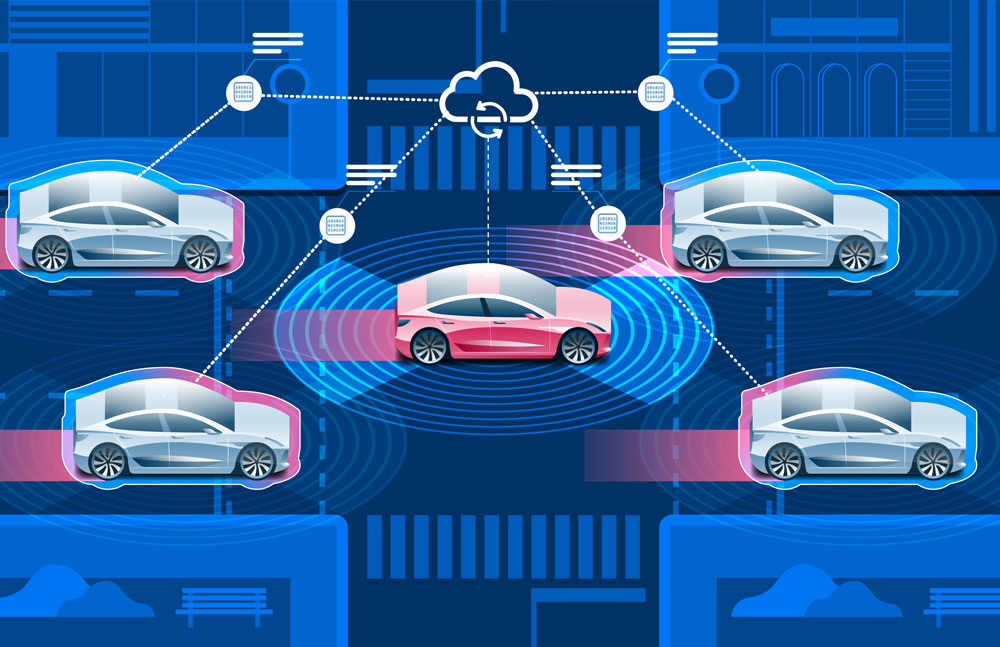
Vehicle-to-everything (V2X) technology is emerging as a critical component in the future of automotive safety. This innovative technology enables vehicles to communicate with each other and their surroundings, significantly enhancing car safety features and reducing the risk of accidents.
Enhancing Safety through Communication
By allowing vehicles to share information about their speed, position, and direction, V2V communication can help prevent collisions. For instance, if a vehicle suddenly brakes, it can immediately alert the vehicles following it, potentially preventing a collision warning scenario. This real-time data exchange is crucial for avoiding accidents, especially in situations where visibility is limited.
The benefits of V2X technology extend beyond just vehicle-to-vehicle communication. It also enables vehicles to interact with infrastructure, such as traffic lights and road signs, to provide drivers with valuable information about road conditions. This can lead to smoother traffic flow and reduced congestion.
Addressing Challenges and Solutions
While V2X technology holds great promise, there are several challenges to its widespread adoption. One of the primary concerns is ensuring the security of the data being transmitted between vehicles. To address this, manufacturers are implementing robust security protocols to protect against potential cyber threats.
Another challenge is achieving widespread adoption of V2X technology across different vehicle manufacturers and models. This requires industry-wide cooperation and standardization. Regulatory bodies are also playing a crucial role in promoting the use of V2X technology by establishing guidelines and mandates for its implementation.
In conclusion, vehicle-to-vehicle communication is set to play a pivotal role in enhancing car safety features. As the technology continues to evolve, we can expect to see significant improvements in road safety, making our roads safer for everyone.
Pedestrian Detection Systems: Protecting Vulnerable Road Users
The integration of pedestrian detection systems in vehicles marks a significant step forward in protecting vulnerable road users. These systems, a crucial part of Advanced Driver-Assistance Systems (ADAS), are designed to detect pedestrians and prevent accidents.

Current Capabilities of Pedestrian Detection
Current pedestrian detection systems use a combination of cameras, radar, and sometimes lidar to detect pedestrians. These systems can automatically apply the brakes if a pedestrian is detected in the vehicle’s path. The effectiveness of these systems has been proven in various studies, showing a significant reduction in pedestrian-related accidents.
Some of the key features of current pedestrian detection systems include:
- Detection of pedestrians during the day and night
- Automatic emergency braking
- Warning signals to alert the driver
Innovations Expected in the Next Few Years
The future of pedestrian detection systems looks promising, with several innovations on the horizon. Advancements in AI and machine learning are expected to enhance the accuracy and reliability of these systems. Some of the expected innovations include improved detection capabilities in low-light conditions and the ability to detect pedestrians in a wider range of scenarios.
Furthermore, future pedestrian detection systems may integrate with other safety features, such as vehicle-to-pedestrian communication, to further enhance safety. This integration could potentially reduce accidents involving pedestrians even further.
Advanced Airbag Technology: More Than Just Inflation
Modern vehicles are equipped with sophisticated airbag systems that go beyond basic inflation. These advanced airbag technologies have been designed to provide enhanced protection to vehicle occupants in the event of a collision.
New Airbag Designs and Technologies
The latest airbag designs incorporate advanced technologies to improve their effectiveness. For instance, some modern airbags are equipped with sensors that detect the severity of a collision and adjust their deployment accordingly. This ensures that the airbags provide optimal protection without causing unnecessary injury.
Key Features of Advanced Airbags:
- Multi-stage deployment for tailored protection
- Advanced sensors for collision detection
- Integration with other car safety features
How Advanced Airbags Enhance Safety
Advanced airbags significantly enhance vehicle safety by providing improved protection in various collision scenarios. The integration of airbags with other safety features, such as collision warning systems, further enhances their effectiveness.
| Airbag Feature | Benefit |
|---|---|
| Multi-stage deployment | Provides tailored protection based on collision severity |
| Advanced sensors | Detects collision and adjusts deployment for optimal safety |
| Integration with other safety features | Enhances overall vehicle safety through coordinated protection |
By incorporating these advanced technologies, modern vehicles can significantly reduce the risk of injury or fatality in the event of a collision, thereby enhancing overall car safety features.
The Role of Artificial Intelligence in Car Safety
Advanced driver-assistance systems (ADAS) are being powered by artificial intelligence to improve vehicle safety. Artificial intelligence (AI) is increasingly being integrated into modern vehicles to enhance safety and convenience.
AI applications in modern vehicles are diverse, ranging from lane assist features that help drivers stay within their lane to more complex systems that can predict and react to potential hazards on the road.
AI Applications in Modern Vehicles
One of the key applications of AI in car safety is in the development of sophisticated ADAS. These systems use a combination of sensors, cameras, and radar to detect the vehicle’s surroundings and make informed decisions to prevent accidents.
Lane assist is a notable feature that uses AI to monitor the vehicle’s position on the road and provide gentle corrections to the steering to keep it within its lane.
Future Trends in AI and Safety
Looking ahead, the role of AI in car safety is expected to become even more significant. Future trends include the development of more sophisticated ADAS that can handle complex driving scenarios and the integration of AI with other safety features to create a comprehensive safety net.
| Feature | Current Status | Future Development |
|---|---|---|
| Lane Assist | Available in many modern vehicles | More precise and capable of handling complex road scenarios |
| ADAS | Being integrated into various vehicle models | Expected to become standard in most vehicles, with enhanced capabilities |
| AI-powered Safety Features | Emerging in luxury and high-end models | Will become more widespread across different vehicle segments |
As AI technology continues to evolve, it is likely to play an increasingly important role in enhancing car safety, making vehicles safer for drivers, passengers, and pedestrians alike.
Emergency Response Features: Quick Aid When Needed
Emergency response features are revolutionizing car safety by providing swift aid in emergency situations. These advanced systems are designed to respond quickly and effectively in the event of an accident, potentially saving lives.
How Emergency Response Systems Work
Emergency response systems utilize a combination of sensors and communication technologies to detect accidents and notify emergency services. When a vehicle is involved in a collision, the system can automatically send a distress signal to emergency responders, providing them with the vehicle’s location and other vital information.
Key components of emergency response systems include:
- Advanced crash detection sensors
- GPS technology for precise location tracking
- Cellular or satellite communication for emergency notifications
The effectiveness of these systems relies on their ability to quickly and accurately detect accidents and communicate with emergency services.
What to Expect in 2025
As car safety technology continues to evolve, we can expect emergency response features to become even more sophisticated. In 2025, these systems are likely to be integrated with other advanced safety features, such as collision warning and automatic emergency braking, to create a comprehensive safety network.
Some potential advancements in emergency response features include:
- Enhanced sensor technology for more accurate crash detection
- Improved communication systems for faster emergency response times
- Integration with other vehicle safety systems for a more coordinated response
By staying informed about these developments, drivers can make informed decisions about their vehicle’s safety features and take advantage of the latest advancements in car safety technology.
Conclusion: The Future of Car Safety Technology
As we’ve explored, the landscape of car safety technology is undergoing significant transformations, driven by advancements in Advanced Driver-Assistance Systems (ADAS) and other innovative safety features.
Key Safety Features to Consider
The top car safety technologies to look for in 2025 include adaptive cruise control, automatic emergency braking, lane-keeping assistance, blind spot detection, 360-degree cameras, vehicle-to-vehicle communication, pedestrian detection systems, and advanced airbag technology. These features are designed to work together to provide a safer driving experience.
Staying Informed About Safety Features
To ensure you’re getting the best possible protection on the roads, it’s crucial to stay updated on the latest car safety technology. As ADAS continues to evolve, new features and improvements will become available, enhancing overall vehicle safety. By understanding and leveraging these advancements, drivers can significantly reduce their risk of being involved in an accident.
FAQ
What are the top car safety features to look for in 2025?
How does Adaptive Cruise Control enhance safety on the roads?
What is the role of Automatic Emergency Braking in car safety?
How does Lane-Keeping Assistance work?
What are the benefits of Blind Spot Detection systems?
How do 360-Degree Cameras improve car safety?
What is Vehicle-to-Vehicle Communication, and how does it enhance safety?
How do Pedestrian Detection Systems work?
What advancements have been made in Airbag Technology?
How is Artificial Intelligence used in car safety?
What are Emergency Response Features, and how do they work?