


Regular vehicle upkeep is crucial for ensuring safety on the road and preventing costly repairs. Neglecting essential tasks can lead to serious consequences, including breakdowns and accidents. Many drivers unknowingly make common errors that can be easily avoided with the right knowledge.
Understanding the most frequent car maintenance mistakes can help drivers take proactive steps to maintain their vehicles. In this article, we’ll explore the top 7 mistakes drivers make and provide insights on how to avoid them.
Key Takeaways
- Regular checks can prevent major repairs
- Neglecting maintenance can lead to safety issues
- Simple tasks can make a big difference in vehicle longevity
- Avoiding common errors can save money
- Proper maintenance enhances overall driving experience
Neglecting Regular Oil Changes
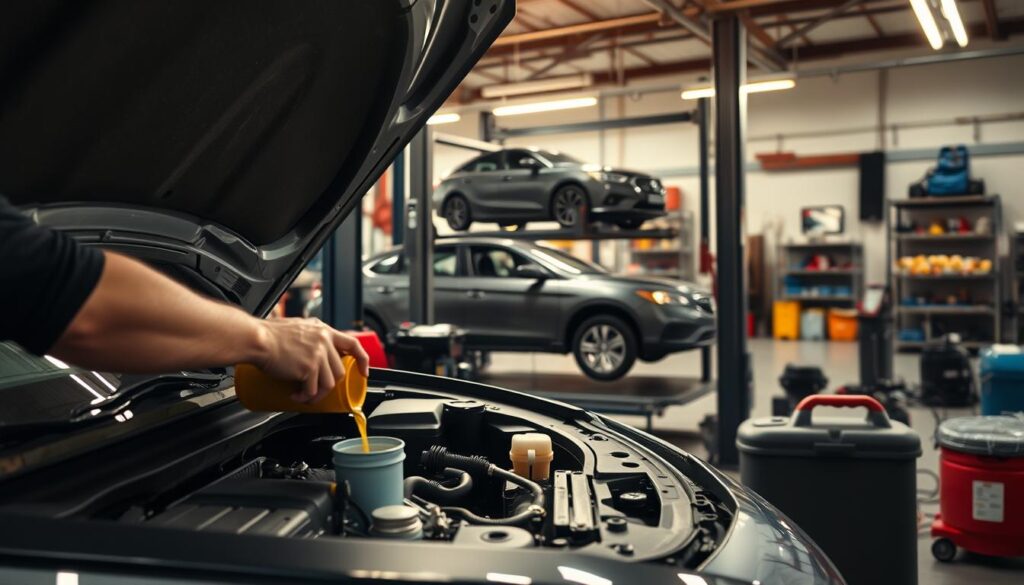
Neglecting regular oil changes is a common DIY car care problem that can lead to serious engine damage. Regular oil changes are essential for maintaining your vehicle’s health, and understanding their importance is key to extending the life of your engine.
Understanding the Importance of Oil
Engine oil serves as the lifeblood of your vehicle’s engine, providing crucial lubrication to moving parts, reducing friction, and preventing overheating. Regular oil changes help maintain engine performance, improve fuel efficiency, and prevent costly repairs down the line. The type of oil your vehicle requires can vary, so it’s essential to consult your owner’s manual or speak with a professional to determine the best oil for your car.
Signs That You Need an Oil Change
Recognizing the signs that indicate it’s time for an oil change can save you from potential engine damage. Some common indicators include:
- Dashboard warning lights
- Dark or dirty oil
- Unusual engine noises
- Exhaust smoke
Checking your oil regularly is a simple yet effective car care tip. To do this, ensure your vehicle is parked on a level surface, and the engine is turned off. Locate the oil dipstick, pull it out, and wipe it clean before inserting it back into the oil reservoir. The dipstick will then be coated with oil, indicating the current level. If the level is below the minimum mark, it’s time to add oil.
| Oil Type | Viscosity | Best For |
|---|---|---|
| Conventional Oil | 10W-30, 10W-40 | Most passenger vehicles |
| Synthetic Oil | 5W-20, 5W-30 | High-performance vehicles, extreme temperatures |
| Synthetic Blend Oil | 5W-30, 10W-30 | Vehicles that require a mix of conventional and synthetic oil |
By staying on top of regular oil changes and understanding the type of oil your vehicle needs, you can significantly improve its longevity and performance. Incorporating these car care tips into your routine can help prevent DIY car care problems and keep your vehicle running smoothly.
Skipping Tire Maintenance
Many drivers underestimate the importance of regular tire maintenance, leading to avoidable car repair mistakes. Proper tire care is essential for safety, fuel efficiency, and handling. Neglecting tire maintenance can result in premature wear, reduced traction, and increased risk of tire failure.
The Role of Tire Pressure
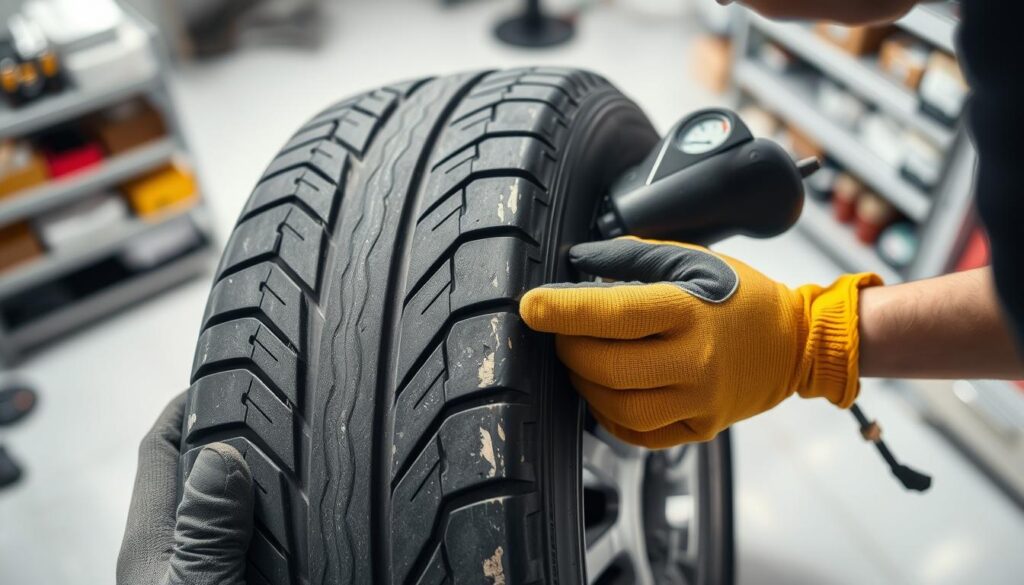
Maintaining the correct tire pressure is crucial for optimal tire performance and safety. Underinflated tires can lead to increased fuel consumption, uneven tire wear, and reduced handling. It’s essential to check tire pressure at least once a month and before long trips. The recommended pressure can be found on the tire’s sidewall or in the vehicle’s owner’s manual.
Proper tire pressure also improves traction and reduces the risk of tire blowouts. Use a reliable tire pressure gauge to ensure accuracy.
Tread Depth and Its Impact
Tread depth is a critical factor in tire safety and performance. Tires with insufficient tread depth can lead to reduced traction, especially on wet or slippery roads. The minimum legal tread depth is 2/32″, but it’s recommended to replace tires when they reach 4/32″ for improved safety.
Regularly checking tread depth can help prevent accidents. You can use a penny to check tread depth: insert the penny into the tire groove with Lincoln’s head facing down; if you can see the top of Lincoln’s head, the tread is worn out.
When to Rotate Tires
Tire rotation is essential for achieving even tread wear and extending the life of your tires. The frequency of rotation depends on the vehicle’s make and model, as well as driving habits. Typically, tires should be rotated every 5,000 to 8,000 miles.
Regular tire rotation not only improves tire longevity but also enhances vehicle handling and traction. Consult your owner’s manual for the recommended rotation pattern.
Ignoring Brake System Warning Signs
Ignoring the warning signs from your car’s brake system can lead to serious safety issues on the road. Your vehicle’s brakes are a critical safety feature, and neglecting their maintenance can result in reduced stopping power, increased stopping distance, and even brake failure.
Common Brake Problems
Some common issues with brake systems include worn-out brake pads, warped rotors, and leaking brake fluid. Worn-out brake pads can cause squealing or grinding noises when you press the brake pedal. Warped rotors can lead to vibrations or pulsations when braking, while leaking brake fluid can result in a soft brake pedal or a noticeable decrease in braking performance.
| Brake Problem | Symptoms | Consequences if Ignored |
|---|---|---|
| Worn-out Brake Pads | Squealing or Grinding Noises | Reduced Stopping Power, Increased Wear on Other Parts |
| Warped Rotors | Vibrations or Pulsations when Braking | Increased Stopping Distance, Potential for Brake Failure |
| Leaking Brake Fluid | Soft Brake Pedal, Decreased Braking Performance | Brake Failure, Increased Risk of Accidents |
How to Listen for Trouble
To identify potential brake problems early, it’s essential to be aware of the signs. Listen for unusual noises when braking, such as squealing, grinding, or screeching sounds. Also, pay attention to any vibrations or pulsations when you press the brake pedal. If you notice any of these symptoms, have your brakes inspected by a professional mechanic.
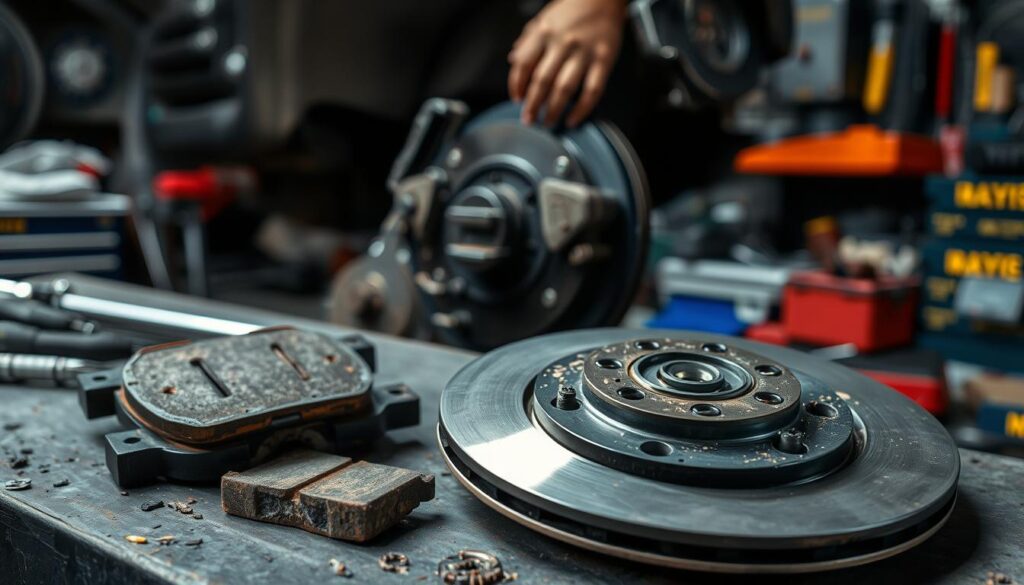
Regular brake maintenance is a crucial aspect of car care tips that can help prevent accidents and ensure your vehicle remains in good condition. By addressing brake system warning signs promptly, you can avoid more costly repairs down the line and stay safe on the road.
Overlooking Fluid Checks and Changes
One of the most critical aspects of car maintenance is often overlooked: checking and changing vital fluids. Regular fluid checks are vital for the health of a vehicle, helping to prevent damage and ensure it runs smoothly.
Essential Fluids to Monitor
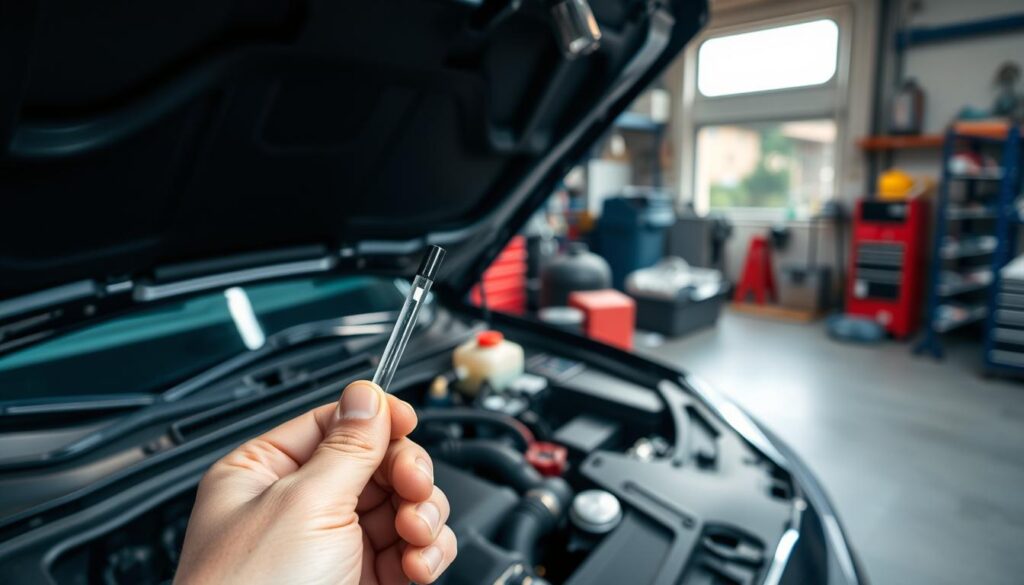
There are several key fluids that need to be monitored regularly to avoid DIY car care problems and ensure your vehicle remains in good condition. These include:
- Engine Oil: Lubricates the engine’s moving parts, reducing friction and preventing overheating.
- Coolant: Regulates engine temperature, preventing it from overheating or freezing.
- Brake Fluid: Transfers pressure to the brake pads, enabling your vehicle to stop safely.
- Transmission Fluid: Lubricates the transmission, ensuring smooth gear shifts.
- Power Steering Fluid: Makes steering easier by lubricating the power steering system.
How to Check Fluid Levels
Checking fluid levels is a relatively simple process that can help you avoid car repair mistakes. Here’s a step-by-step guide:
- Ensure your vehicle is parked on a level surface.
- Turn off the engine and let it cool down.
- Locate the fluid reservoirs under the hood. Consult your owner’s manual if necessary.
- Check the level of each fluid against the minimum and maximum marks on the reservoir.
- If a fluid level is low, top it off with the recommended type of fluid.
Regularly checking and maintaining your vehicle’s fluids can help prevent serious damage and costly repairs. By staying on top of fluid checks and changes, you can ensure your car remains in good health and continues to run smoothly.
Disregarding the Owner’s Manual Guidelines
One of the most significant mistakes car owners make is ignoring the guidelines set forth in their owner’s manual. The owner’s manual is a tailored guide provided by the manufacturer, containing specific instructions and recommendations for maintaining your vehicle.
Following the owner’s manual is crucial for several reasons. Firstly, it ensures that your car is maintained according to the manufacturer’s specifications, which can improve its performance and longevity. Secondly, adhering to the recommended maintenance schedule can help prevent common car maintenance errors that might lead to costly repairs down the line.
Why the Manual Matters
The owner’s manual matters because it provides personalized car care tips based on the vehicle’s make and model. It includes detailed information on maintenance schedules, fluid capacities, and troubleshooting tips. By following the manual, car owners can avoid misunderstandings about their vehicle’s needs.
Moreover, the manual often includes guidelines on how to optimize your car’s performance and fuel efficiency. Ignoring these guidelines can lead to decreased vehicle performance and potentially void warranties.
Common Misconceptions
There are several common misconceptions about car maintenance that the owner’s manual can help clarify. For instance, some believe that synthetic oil is always better, while others think that tire pressure should always be at the maximum recommended level. The owner’s manual provides the correct information for your specific vehicle, helping you make informed decisions.
Another misconception is that car maintenance is only necessary when problems arise. However, preventive maintenance, as outlined in the owner’s manual, is key to avoiding unexpected breakdowns and ensuring your car runs smoothly.
By understanding and following the owner’s manual guidelines, car owners can adopt effective car care tips that enhance their vehicle’s longevity and performance. It’s a simple yet effective way to avoid common car maintenance errors and ensure your car remains in good condition.
Failure to Replace Worn Parts
One of the most critical car maintenance mistakes is failing to replace worn parts. Over time, components like belts and wiper blades deteriorate, reducing their effectiveness and potentially leading to more significant problems. Regular inspection and replacement of these parts are crucial to maintaining your vehicle’s health and avoiding costly repairs.
Signs of Wear and Tear on Belts
Belts in your car, such as the serpentine belt, play a vital role in the operation of various engine components. Signs of wear include:
- Cracks or frays on the surface
- Glazing or a shiny appearance
- Soft or brittle texture
Inspecting your belts regularly can help you identify these signs early. Replacing a worn belt is much simpler and less expensive than dealing with the damage caused by a belt failure.
When to Replace Wiper Blades
Wiper blades are another critical component that requires regular inspection and replacement. Here are some indicators that it’s time to replace your wiper blades:
| Signs of Wear | Replacement Interval |
|---|---|
| Streaks or chattering on the windshield | Every 6 to 12 months |
| Visible cracks or cuts on the blade | Immediately |
| Rubber deterioration or hardening | Every 6 to 12 months |
Replacing wiper blades is a simple process that can significantly improve visibility during rain or snow. It’s also a good idea to replace them before the onset of winter to ensure clear visibility.
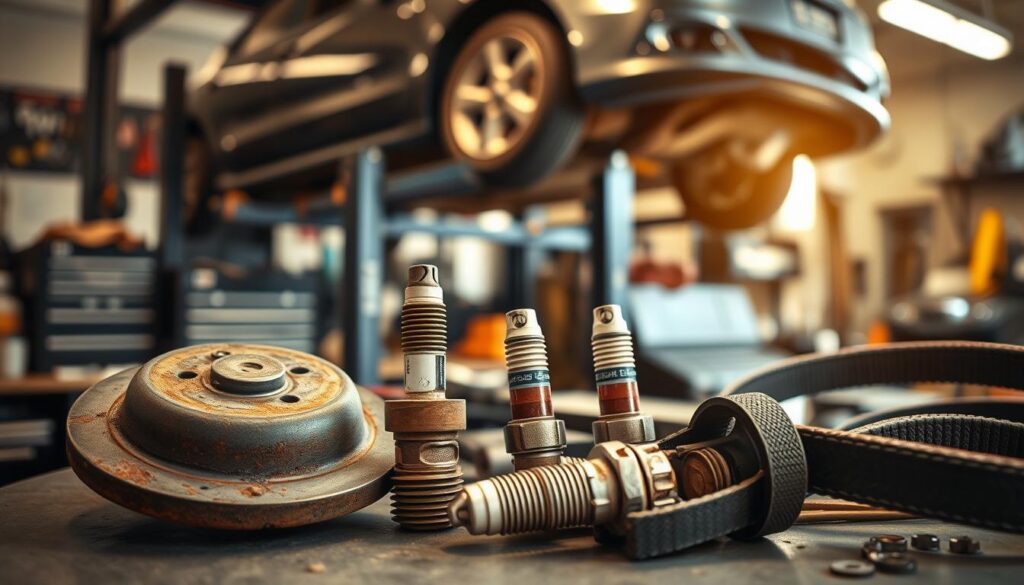
By staying on top of replacing worn parts, you can avoid car repair mistakes and ensure your vehicle runs smoothly for years to come.
Neglecting to Schedule Regular Inspections
Regular inspections are crucial for maintaining your vehicle’s health and preventing unexpected breakdowns. By staying on top of regular checks, you can identify potential issues before they become major problems, saving you time and money in the long run.
Benefits of Routine Inspections
Routine inspections offer several benefits, including early detection of wear and tear, improved safety, and better fuel efficiency. By catching issues early, you can avoid costly repairs down the line. For instance, a simple inspection might reveal worn-out brake pads, which can be replaced at a fraction of the cost of replacing the entire brake system.
Key benefits of regular inspections include:
- Early detection of potential problems
- Prevention of costly repairs
- Improved vehicle safety
- Better fuel efficiency
- Enhanced overall vehicle performance
What Happens During an Inspection
During a typical inspection, a mechanic will check various components of your vehicle to identify any signs of wear or potential issues. This may include checking the condition of your tires, brakes, suspension, and other critical systems. The mechanic will also check fluid levels, belts, and hoses, and perform other diagnostic tests as needed.
A typical inspection might involve:
| Inspection Area | Components Checked |
|---|---|
| Tire Condition | Tread depth, pressure, and signs of uneven wear |
| Brake System | Brake pads, rotors, and brake fluid levels |
| Fluid Levels | Engine oil, coolant, transmission, and brake fluid |
By understanding what happens during an inspection, you can better appreciate the value of regular checks and how they contribute to your vehicle’s overall health. Regular inspections are a key part of car care tips that can help you avoid DIY car care problems by identifying issues before they become major.
Underestimating Seasonal Emergencies
Failing to prepare for seasonal emergencies is a common car maintenance error that can lead to costly repairs. Different seasons bring unique challenges for vehicles, requiring car owners to adapt their maintenance habits accordingly.
Preparing Your Car for Winter
Winter can be particularly harsh on vehicles. To avoid car repair mistakes, it’s crucial to prepare your car for the cold weather. Start by checking your battery’s health, as cold temperatures can significantly reduce its performance. Ensure your tires are suitable for winter conditions; consider switching to snow tires if you live in an area that experiences heavy snowfall.
Additionally, make sure your antifreeze is rated for the lowest temperatures in your area, and check your windshield wipers to ensure they are in good condition. Using winter-specific windshield washer fluid can also help prevent your washer system from freezing.
Summer Maintenance Must-Dos
As temperatures rise, so does the risk of overheating. To keep your car running smoothly during the summer, check your cooling system regularly. Ensure that your coolant level is adequate and that there are no leaks in the system.
Summer is also a good time to inspect your tires for wear and tear, and to check the tread depth. Proper tire pressure is also crucial, as underinflated tires can lead to reduced fuel efficiency and increased risk of a blowout.
Emergency Kit Essentials
Regardless of the season, having an emergency kit in your car can be a lifesaver. Essentials should include a first-aid kit, a flashlight, and a spare tire along with the tools needed to change it. Jumper cables, a fire extinguisher, and a reflective warning triangle can also be invaluable in case of an emergency.
To avoid car repair mistakes, it’s also a good idea to keep a small toolkit and some basic supplies like duct tape and a blanket. Keeping your car’s gas tank at least half full can also help in case you get stranded.
Misusing Technology for Diagnostics
Modern car owners have access to a wide range of apps and devices designed to monitor car health and diagnose issues. While these tools can be incredibly useful, they can also lead to misdiagnosis and unnecessary repairs if not used correctly.
Effective Use of Diagnostic Tools
To avoid common car maintenance mistakes, it’s essential to understand how to use these technologies effectively. Start by choosing reputable apps and devices that are compatible with your vehicle’s make and model. For instance, using a code reader that can interpret the onboard diagnostics (OBD-II) system in your car can provide valuable insights into its condition.
When using diagnostic tools, follow the manufacturer’s instructions and be cautious of misinterpreting the data. Some DIY car care problems can be resolved with the right guidance, but others may require professional attention. By combining technology with basic car care tips, you can keep your vehicle in top condition and avoid costly repairs.