





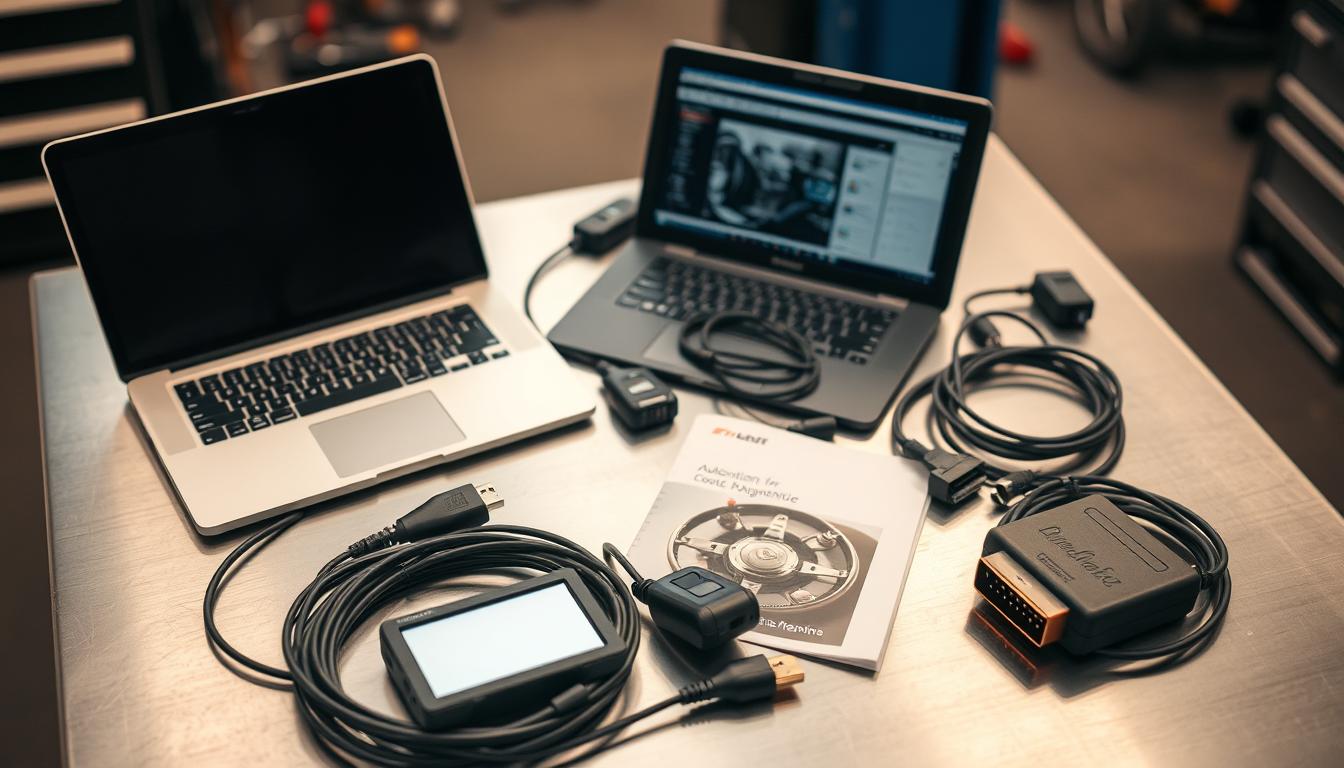
The automotive industry is undergoing a significant transformation with the advent of automotive software tools. These tools are revolutionizing the way mechanics work, making their jobs more efficient and accurate.
Many mechanics and auto repair shops are finding success by utilizing new apps that can help speed up inspections, car repairs, and diagnostic readings. This shift towards digitalization is enabling mechanics to provide better services and improve customer satisfaction.
Key Takeaways
- Modern mechanics are leveraging mechanic software to enhance their work efficiency.
- Automotive software tools are improving diagnostic accuracy and reducing repair times.
- The use of digital tools is becoming a standard practice in the automotive industry.
- Mechanics can now provide faster and more reliable services with the help of these tools.
- The adoption of automotive software is leading to increased customer satisfaction.
Understanding Automotive Software and Its Importance
As the automotive industry continues to evolve, the importance of automotive software in facilitating efficient and effective car maintenance cannot be overstated. Automotive software refers to the various digital tools and programs used in the automotive industry to manage and facilitate repairs, maintenance, and other related tasks.
“The use of software in the automotive industry has revolutionized the way mechanics work, providing them with advanced tools for diagnosis and repair,” says a leading industry expert. This highlights the significance of understanding the different types of automotive software available.
Definition of Automotive Software
Automotive software encompasses a broad range of digital tools designed to assist mechanics in their daily tasks. These tools are designed to help track tasks, streamline business operations, and provide better service to customers. In essence, auto repair software is designed to make the work of mechanics more efficient and effective.
Types of Automotive Software
There are various types of automotive software, each serving a specific purpose. Some of the most common types include:
- Diagnostic tools: These are used to identify and diagnose problems with vehicles.
- Inventory management software: This type of software helps mechanics manage their inventory, track parts, and supplies.
- Customer relationship management (CRM) software: CRM software is used to manage customer interactions, track customer history, and improve customer service.
Understanding these different types of automotive software is crucial for modern mechanics, as it enables them to choose the right tools for their specific needs and improve their overall efficiency.
Key Features to Look for in Automotive Software
To maximize efficiency, auto repair shops need to identify the essential features in automotive software. The right tools can streamline operations, improve customer satisfaction, and ultimately boost profitability.
User-Friendly Interface
A user-friendly interface is crucial for the smooth adoption of any software. Mechanics should be able to navigate the system easily, without requiring extensive training. This not only saves time but also reduces the likelihood of errors.
An intuitive design allows staff to focus on their core tasks, such as diagnosing issues and performing repairs, rather than struggling with the software.
Integration Capabilities
The ability of automotive software to integrate with other tools and systems is vital for creating a seamless workflow. Integration capabilities ensure that different software applications can work together, sharing data and functions as needed.
This can include integrating with diagnostic tools, inventory management systems, and customer relationship management (CRM) software, among others.
Data Management and Analytics
Effective data management is critical for making informed decisions in an auto repair shop. Automotive software should be able to collect, store, and analyze data efficiently.
Analytics play a key role in understanding business performance, identifying trends, and forecasting future needs. By leveraging data insights, mechanics can optimize their operations and improve customer service.
Diagnostic Tools: The Backbone of Automotive Software
The backbone of automotive software lies in its diagnostic tools, which enable mechanics to identify issues quickly. Diagnostic tools are a critical component of automotive software, enabling mechanics to diagnose and repair complex problems efficiently.
Importance of Diagnostic Software
Diagnostic software is essential for modern mechanics as it provides real-time data and insights, helping them to identify issues accurately. A digital diagnostic scanner is vital for reading error codes and understanding vehicle issues quickly.
Key benefits of diagnostic software include:
- Accurate diagnosis of complex vehicle problems
- Real-time data and insights for efficient repairs
- Reduced diagnosis time, leading to increased productivity
Popular Diagnostic Tools for Mechanics
Some of the most popular diagnostic tools used by mechanics include:
| Diagnostic Tool | Description | Key Features |
|---|---|---|
| Autel MaxiSys | A comprehensive diagnostic scanner for various vehicle systems | Advanced diagnostics, coding, and programming capabilities |
| Snap-on SOLUS | A high-end diagnostic tool with advanced features and capabilities | Comprehensive vehicle coverage, advanced diagnostics, and repair guidance |
| OBDLink MX+ | A wireless diagnostic scanner for easy code reading and clearing | Wireless connectivity, easy-to-use interface, and compatibility with various vehicles |
These diagnostic tools are widely used in the industry and have proven to be highly effective in diagnosing and repairing complex vehicle problems.
Inventory Management Software for Mechanics
In the automotive industry, having the right inventory management tools can make all the difference. Mechanics and auto repair shops rely on inventory management software to keep track of their stock levels, manage orders, and optimize their supply chain.
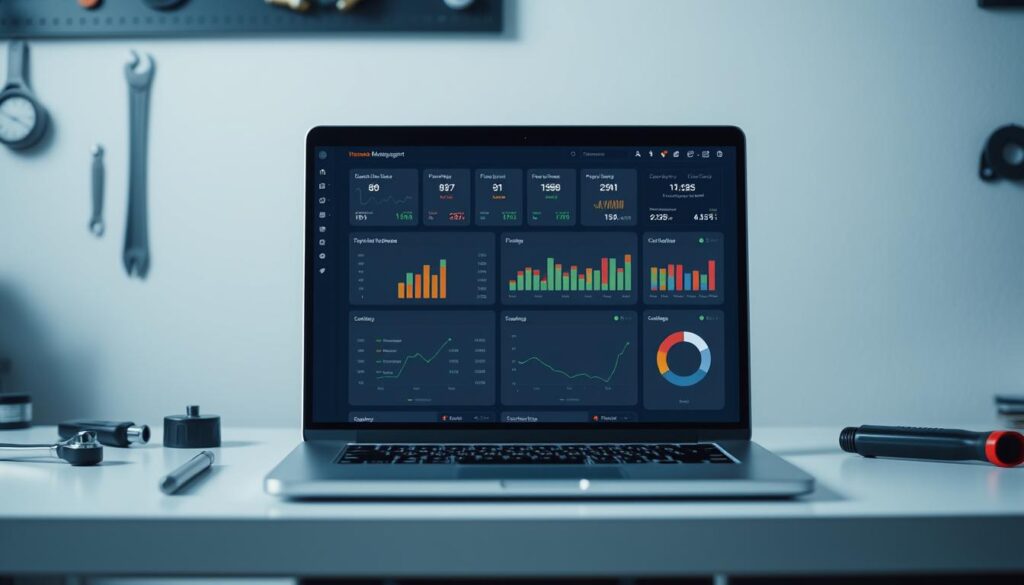
This software is essential for ensuring that the right parts are available when needed, reducing waste, and improving customer satisfaction.
Features of Good Inventory Software
Good inventory software should have several key features. It should be user-friendly, allowing mechanics to easily track and manage their inventory. Real-time tracking is crucial, enabling shops to know exactly what they have in stock at any given time.
Additionally, good inventory software should be able to generate reports on inventory levels, helping shops to identify trends and make informed decisions.
Best Inventory Management Tools Available
There are several inventory management tools available that cater specifically to the needs of mechanics and auto repair shops. One notable example is GEM-CAR, which offers a comprehensive solution for managing inventory and customer relationships.
When choosing an inventory management tool, it’s essential to consider the specific needs of your shop and select a solution that integrates well with your existing systems.
Customer Relationship Management (CRM) Software
To stay ahead in the automotive market, auto shops must leverage CRM solutions to foster strong customer relationships. CRM software is designed to help businesses manage their interactions with customers, improving relationships and driving sales. For auto shops, CRM software can help manage customer communications, track customer history, and identify new sales opportunities.
Benefits of CRM for Auto Shops
The implementation of CRM software can bring numerous benefits to auto shops. Some of the key advantages include:
- Improved Customer Satisfaction: By tracking customer interactions and preferences, auto shops can provide personalized services, enhancing customer satisfaction.
- Increased Loyalty: Effective CRM helps in building strong relationships, leading to increased customer loyalty.
- Enhanced Sales: By identifying new sales opportunities, CRM software can help auto shops increase their revenue.
Top CRM Solutions for Mechanics
Several CRM solutions are available that cater specifically to the needs of auto shops. Some of the top CRM solutions include:
| CRM Solution | Key Features | Benefits for Auto Shops |
|---|---|---|
| HubSpot CRM | Contact management, sales pipeline tracking, email integration | Streamlines customer interactions, enhances sales tracking |
| Zoho CRM | Lead management, sales forecasting, marketing automation | Improves lead conversion, enhances sales forecasting |
| Freshsales | Sales pipeline management, email tracking, phone integration | Boosts sales productivity, enhances customer engagement |
By adopting the right CRM software, auto shops can significantly improve their customer relationship management, leading to increased customer satisfaction and loyalty.
Accounting Software for Automotive Professionals
Effective financial management is crucial for automotive businesses, and accounting software plays a vital role in achieving this. By leveraging the right accounting tools, auto shops can streamline their financial operations, track expenses, and gain valuable insights into their financial health.
Role of Accounting Software in Auto Shops
Accounting software is designed to help automotive businesses manage their finances more efficiently. It enables them to track both direct and indirect expenses, manage invoices, and monitor cash flow. This level of financial oversight is essential for making informed business decisions.
Some key benefits of using accounting software in auto shops include:
- Improved financial accuracy and compliance
- Enhanced ability to track and manage expenses
- Better cash flow management
- Detailed financial reporting and analysis
As noted by a financial expert, “Automotive businesses that adopt accounting software can significantly reduce financial errors and improve their overall financial management.”
“The right accounting software can transform the way automotive businesses manage their finances, providing them with the insights they need to succeed.”
Leading Accounting Software Options
There are several accounting software options available that cater specifically to the needs of automotive professionals. Some of the leading solutions include:
| Software | Key Features | Price Range |
|---|---|---|
| QuickBooks | Comprehensive accounting, inventory management, invoicing | $10-$30/month |
| Xero | Cloud-based accounting, real-time financial data, inventory tracking | $9-$30/month |
| Sage | Advanced accounting, payroll management, financial reporting | $10-$40/month |
When selecting an accounting software, it’s essential to consider the specific needs of your automotive business, including the size of your operation, the complexity of your financial transactions, and your budget.
Repair Order and Workflow Management Tools
In today’s fast-paced automotive industry, having the right workflow management tools can make all the difference. Auto shops are constantly looking for ways to streamline their operations, reduce wait times, and improve customer satisfaction. One key to achieving these goals is implementing effective repair order and workflow management systems.
What is Workflow Management Software?
Workflow management software is designed to help businesses manage their workflows more efficiently. For auto shops, this means automating tasks, managing repair orders, tracking work in progress, and optimizing workflows. By using such software, auto shops can significantly reduce manual errors, enhance productivity, and improve overall efficiency.
Key Features of Workflow Management Software:
- Automated task assignment and tracking
- Real-time updates on repair status
- Integration with other shop management systems
- Customizable workflows based on shop-specific needs
Best Repair Order Management Tools
Several software solutions stand out for their ability to manage repair orders effectively. Here are a few top choices:
| Software | Key Features | Integration |
|---|---|---|
| Mitchell 1 | Repair order management, workflow automation | Parts and labor estimation, shop management |
| ShopWorks | Repair order tracking, workflow management | Inventory management, CRM integration |
| AllData | Repair information, workflow optimization | Shop management systems, parts suppliers |
When choosing a repair order and workflow management tool, it’s essential to consider the specific needs of your auto shop. Look for software that integrates well with your existing systems and offers the features that will most benefit your operations.
By implementing the right workflow management software, auto shops can significantly enhance their operational efficiency, leading to improved customer satisfaction and increased profitability.
Cloud-Based Solutions in the Automotive Industry
Cloud-based technologies are becoming increasingly popular in the automotive industry due to their ability to enhance remote work capabilities and reduce the need for on-premise infrastructure.

Advantages of Cloud Computing
Cloud computing offers numerous benefits to automotive businesses, including greater flexibility and scalability. This allows companies to adapt quickly to changing market conditions and customer demands.
The scalability of cloud-based solutions means that businesses can easily scale up or down according to their needs, without having to invest in new hardware or infrastructure.
- Enhanced collaboration among team members
- Improved data management and analytics
- Reduced costs associated with maintaining on-premise infrastructure
Notable Cloud-Based Automotive Software
Several cloud-based software solutions are making a significant impact in the automotive industry. Some of the notable ones include:
| Software | Features | Benefits |
|---|---|---|
| AllData | Diagnostic and repair information | Access to comprehensive repair data |
| Mitchell 1 | Repair information and estimating | Accurate estimates and repair guidance |
| CCC ONE | Estimating and repair management | Streamlined repair processes |
These cloud-based solutions are transforming the automotive industry by providing businesses with the tools they need to succeed in a competitive market.
Mobile Apps Revolutionizing Automotive Services
The integration of mobile apps in automotive services is marking a new era in the industry, enhancing operational efficiency. Mobile apps are helping mechanics speed up inspections, car repairs, and diagnostic readings, improving efficiency and productivity.
Benefits of Mobile Apps for Mechanics
Mobile apps offer a range of benefits for mechanics, including improved productivity and enhanced customer service. These apps enable mechanics to access critical information on the go, reducing the time spent on repairs and improving the overall customer experience.
Key advantages include:
- Quick access to repair manuals and diagnostic guides
- Efficient management of repair orders and customer communications
- Enhanced accuracy in diagnostics and repairs
Popular Automotive Apps
Several mobile apps have gained popularity among mechanics for their functionality and ease of use. Some of the notable apps include:
- Apps that provide real-time diagnostic data and repair estimates
- Inventory management apps that help track parts and supplies
- Customer relationship management (CRM) apps designed for auto shops
These apps are not only improving the way mechanics work but are also contributing to a more streamlined and customer-focused service.
Software for Electric and Hybrid Vehicles
The rise of electric and hybrid vehicles has introduced new challenges for mechanics, necessitating advanced software solutions. As the automotive industry continues to evolve, the need for specialized EV software has become increasingly important.
Unique Challenges with Electric Vehicles
Electric vehicles (EVs) present several unique challenges for mechanics, including high-voltage systems, complex battery management, and the need for specialized diagnostic tools. “The shift towards electric vehicles requires a new set of skills and tools for mechanics,” says an industry expert. To address these challenges, automotive software has been developed to provide the necessary support.
Some of the key challenges include:
- Diagnosing and repairing high-voltage electrical systems
- Managing complex battery systems
- Utilizing specialized diagnostic tools for EV maintenance
Recommended Software for EV Maintenance
Several software solutions are available to support EV maintenance, including:
| Software | Features | Benefits |
|---|---|---|
| EV Diagnostic Pro | Advanced diagnostic capabilities, real-time data analysis | Enhanced diagnostic accuracy, reduced repair time |
| Battery Management System | Battery health monitoring, charge management | Optimized battery performance, extended battery life |
By utilizing these advanced software solutions, mechanics can better address the unique challenges presented by electric vehicles, ensuring efficient and effective maintenance and repair.
Top EV Software Solutions include:
- EV Diagnostic Pro
- Battery Management System
- Electric Vehicle Service Tool
As the automotive industry continues to shift towards electric and hybrid vehicles, the importance of EV software will only continue to grow. By adopting these specialized software solutions, mechanics can stay ahead of the curve and provide the best possible service to their customers.
Future Trends in Automotive Software
The future of automotive software is bright, with innovations like AI and machine learning leading the charge. As the industry continues to evolve, it’s clear that these emerging trends will have a significant impact on how automotive software is developed and used.
AI and Machine Learning Impact
AI and machine learning are transforming the automotive industry, enabling businesses to make data-driven decisions and improve their operations. These technologies are being used to develop more sophisticated diagnostic tools, predict maintenance needs, and enhance customer service.
For instance, AI-powered diagnostic tools can analyze data from various sources, such as vehicle sensors and maintenance records, to identify potential issues before they become major problems. This not only improves the efficiency of repair operations but also enhances customer satisfaction by reducing the likelihood of unexpected breakdowns.
“The integration of AI and machine learning into automotive software is revolutionizing the industry, enabling mechanics to work more efficiently and effectively.”
Software Development in Electric Vehicles
The rise of electric vehicles (EVs) is driving the development of specialized software that caters to their unique needs. EV software is designed to optimize battery performance, predict maintenance requirements, and provide insights into driving habits.
Some of the key features of EV software include:
- Advanced battery management systems
- Predictive maintenance analytics
- Personalized driving insights
| Feature | Description | Benefits |
|---|---|---|
| Advanced Battery Management | Optimizes battery performance and longevity | Improved range and reduced maintenance costs |
| Predictive Maintenance Analytics | Predicts maintenance needs based on driving habits and vehicle data | Reduced downtime and improved overall vehicle health |
As the automotive industry continues to evolve, it’s clear that software will play an increasingly important role in shaping its future. By embracing emerging trends like AI and machine learning, and developing specialized software for EVs, businesses can stay ahead of the curve and thrive in a rapidly changing landscape.
Choosing the Right Automotive Software for Your Shop
Selecting the ideal automotive software is crucial for the success of your shop. With numerous options available, it’s essential to consider several factors to make an informed decision.
Key Considerations
When choosing software, consider factors like ease of use, integration capabilities, and customer support. A user-friendly interface can significantly reduce training time, while integration capabilities ensure seamless interactions with existing systems.
Testing Software Solutions
Before making a purchase, test the software solutions to ensure they meet your needs. Take advantage of free trials or demos to assess the software’s functionality and compatibility with your shop’s operations.
By carefully evaluating your options and testing software solutions, you can find the perfect mechanic software for your shop, streamlining your operations and improving customer satisfaction.
FAQ
What is automotive software?
What are the key features to look for in automotive software?
How do diagnostic tools work?
What is the role of inventory management software in auto shops?
How can CRM software benefit auto shops?
What is the importance of accounting software in auto shops?
How can workflow management software improve auto shop operations?
What are the benefits of cloud-based automotive software?
How are mobile apps changing the automotive industry?
What software is recommended for electric vehicle maintenance?
How can I choose the right automotive software for my shop?
What are the future trends in automotive software?