




BMW, Jaguar Land Rover, Nissan, and Toyota warn that strict EV sales rules in the UK could harm jobs and investment. Learn how the Zero Emission Vehicle (ZEV) mandate is reshaping Britain’s auto industry.
The transition to electric vehicles (EVs) is one of the most critical shifts in the history of the automotive industry. Governments worldwide are setting ambitious timelines to phase out petrol and diesel cars in favor of zero-emission models. However, the road to electrification is far from smooth.
In the UK, four of the biggest automakers—BMW, Jaguar Land Rover (JLR), Nissan, and Toyota—have warned that leaving EV sales mandates unchanged could threaten tens of thousands of British jobs, discourage investment, and cost individual manufacturers hundreds of millions of pounds. Their lobbying efforts, recently revealed through official documents, highlight the growing tension between environmental goals and economic realities.
What is the UK’s Zero Emission Vehicle (ZEV) Mandate?
The ZEV mandate, introduced by the Conservative government in 2023, requires carmakers to sell an increasing percentage of zero-emission vehicles (EVs and hydrogen cars) each year. Those failing to meet targets face steep fines.
- 2024 Target: Around 22% of all new cars sold must be zero-emission.
- 2030 Goal: Ban on the sale of new petrol and diesel cars.
- 2035 Final Phase: Hybrid vehicles to be phased out completely.
While EV adoption has grown—over 20% of UK car sales in July 2025 were electric—automakers argue that consumer demand has not kept up with government mandates.
Carmakers’ Concerns: Jobs, Investment, and Competitiveness
1. BMW: Post-Brexit Challenges and Job Security
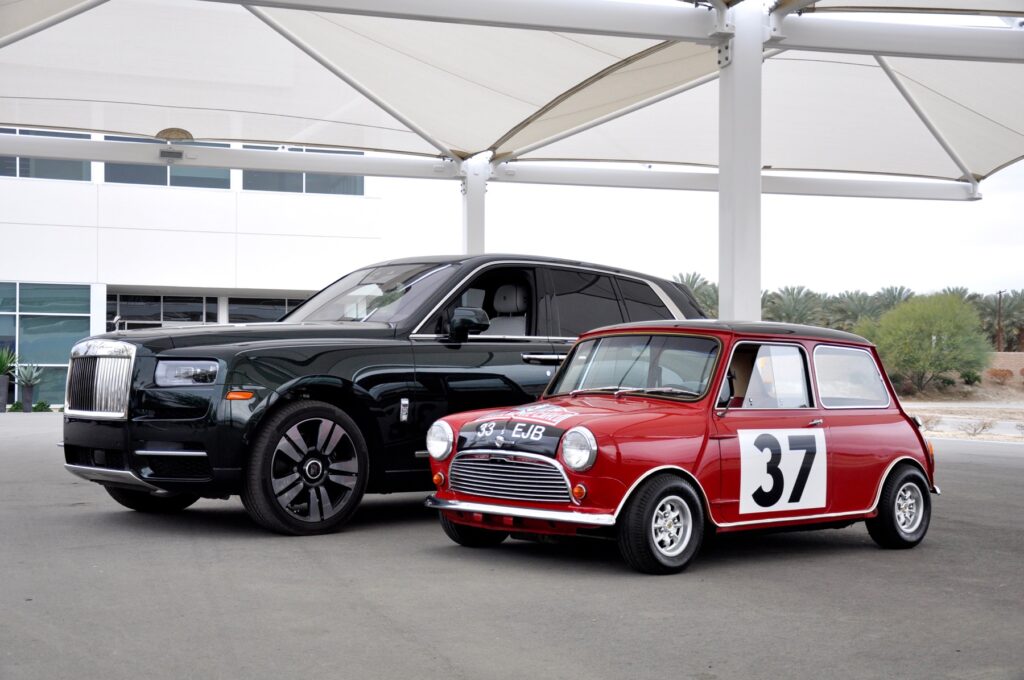
BMW, which produces Mini and Rolls-Royce in Britain, warned that the ZEV mandate is “much more radical and far-reaching” than EU or California policies. The company highlighted that:
- Brexit already made the UK less competitive for manufacturing.
- Up to 50,000 jobs including supply chain workers could be at risk.
- Unachievable sales quotas may divert resources away from innovation.
2. Jaguar Land Rover (JLR): Strain on UK-Based Production
JLR, the largest UK-based automaker, argued that:
- Unchanged rules could “materially damage UK producers’ ability to invest.”
- The current “credit trading” system unfairly benefits Chinese EV makers dominating global production.
3. Nissan: Rising Costs in Sunderland Plant
Nissan, which operates its Sunderland plant (the UK’s largest car factory), cautioned that strict EV mandates without consumer demand alignment would cause “critical cost levels,” diverting funds away from EV research and development.
4. Toyota: Hybrid Strategy Under Threat
Toyota, the world’s biggest carmaker, has invested heavily in hybrids rather than full EVs. The company stated that:
- Penalties could reach hundreds of millions of pounds per manufacturer.
- Such fines could risk jobs at its Derbyshire and North Wales factories.
- Toyota lobbied successfully for hybrids to remain on sale until 2035, but fears stricter rules may threaten that timeline.
Government and Industry Responses
- UK Labour Government (2025): Introduced “flexibilities” in April, allowing carmakers to sell more petrol cars if EV demand lags.
- Society of Motor Manufacturers and Traders (SMMT): Argued that strict mandates could lead to “decarbonisation at the cost of de-industrialisation.”
- Campaigners & Climate Advisors: Say carmakers are exaggerating risks, pointing out that 2024 ZEV targets were met successfully.
Ben Nelmes, CEO of New Automotive, noted:
“The industry’s own consultation responses confirm that the ZEV mandate is working. The focus should now shift to accelerating the transition to cheaper, cleaner transport.”
Consumer Demand: The Missing Piece
While supply is growing, demand remains inconsistent due to:
- High EV prices despite recent discounts.
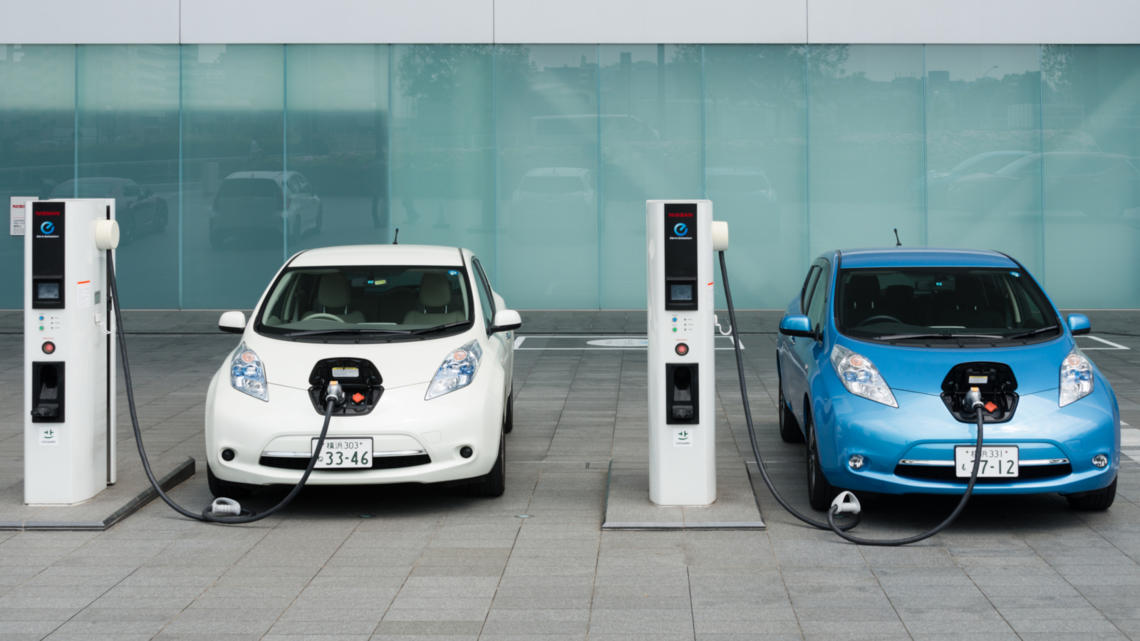
- Charging infrastructure gaps, especially outside urban areas.
- Consumer uncertainty over battery lifespan and resale values.
In July 2025, EV sales rose, but carmakers had to cut prices significantly to meet targets. Automakers argue this practice is unsustainable in the long run without stronger consumer incentives.
Global Context: UK vs. EU & US Policies
- EU Mandate: Requires 100% zero-emission new cars by 2035, but with more flexible interim targets.
- California (US): Mandates 68% EV sales by 2030, with federal subsidies to support demand.
- UK: Viewed by carmakers as one of the most aggressive EV transition timelines, creating concerns over competitiveness.
Conclusion: Balancing Climate Goals with Economic Reality
The UK faces a difficult balancing act. On one hand, strong EV mandates push the industry toward a sustainable future. On the other, carmakers warn that overly ambitious rules risk jobs, investment, and consumer affordability.
The truth likely lies in the middle: a mix of stricter rules, better incentives, and robust charging infrastructure will be required to make the EV transition both environmentally and economically sustainable.
As automakers, governments, and consumers navigate this path, one fact remains clear: the future of the UK auto industry depends on how well it adapts to the EV revolution without leaving workers or consumers behind.