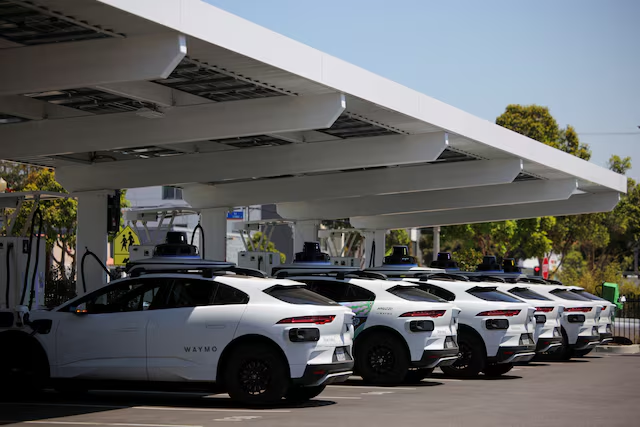
Waymo secures its first permit to test self-driving cars in New York City, expanding its U.S. robotaxi operations. Here’s what this means for the future of autonomous vehicles.
The race toward a driverless future has just reached a new milestone in the U.S.’s largest and most complex urban environment. Waymo, Alphabet’s autonomous driving unit, has received its first official permit to test self-driving vehicles in New York City. This marks a significant step forward for the company as it seeks to expand its robotaxi operations beyond its strongholds in Phoenix, San Francisco, and other cities.
New York City, with its congested streets, unpredictable traffic patterns, and diverse road users, is considered one of the toughest testing grounds in the world. Successfully navigating this environment could put Waymo ahead in the increasingly competitive autonomous vehicle (AV) market.
Waymo’s Testing in NYC: What’s New?
According to New York City Mayor Eric Adams and Department of Transportation Commissioner Ydanis Rodriguez, Waymo has been granted permission to deploy a limited number of self-driving cars in Manhattan and Downtown Brooklyn.
Key details of the permit include:
- Human Specialist Required: New York State law mandates that a trained operator be present behind the wheel at all times, ready to take control if needed.
- Transition from Manual to Autonomous: Since July 2025, Waymo had been manually driving its fleet in New York to collect mapping and sensor data. With the permit secured, the company can now begin true autonomous testing.
- Focus Areas: The testing will concentrate on Manhattan’s busy grid and Brooklyn’s mixed-use streets, providing data on both dense traffic and neighborhood-level navigation.
Why New York City Matters for Waymo
Testing in New York is a strategic leap for Waymo for several reasons:
- Urban Complexity: NYC’s heavy pedestrian flow, cyclists, delivery vehicles, and erratic driving behaviors create real-world challenges that AVs must master.
- Regulatory Confidence: Receiving approval in such a high-stakes environment signals growing trust from policymakers in Waymo’s technology.
- Market Potential: With over 8.5 million residents and millions of daily commuters, New York represents one of the largest potential robotaxi markets in the world.
If Waymo can prove reliability in NYC, it could open the door to rapid adoption in other global megacities.
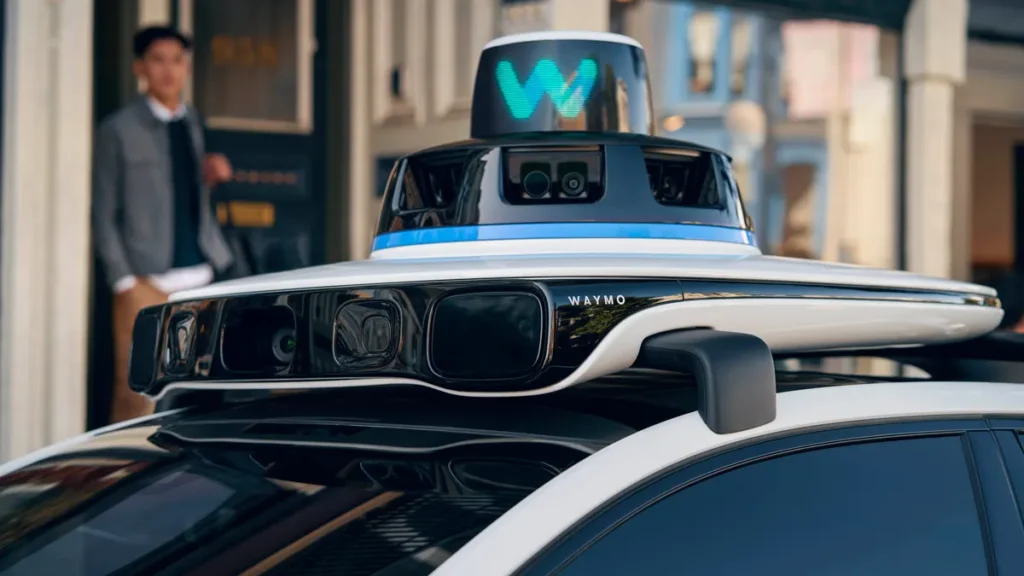
Waymo vs. the Competition: The U.S. Robotaxi Race
Waymo’s NYC permit comes amid intensifying competition:
- Tesla: Launched a limited robotaxi service in Austin, Texas, in June 2025, with ambitious plans to reach 50% of the U.S. population by end of 2025 using its Full Self-Driving (FSD) technology.
- Cruise (GM’s AV unit): Currently operating driverless rides in San Francisco, Phoenix, and Miami, though recent safety incidents led to stricter oversight.
- Motional (Hyundai & Aptiv JV): Testing autonomous ride-hailing in Las Vegas and planning to expand further.
Waymo, with a fleet of about 1,500 vehicles and over 10 million autonomous rides completed, remains a market leader—but competition is heating up.
Regulatory and Safety Challenges
Despite progress, several hurdles remain:
- Legal Requirements: Unlike Arizona and California, New York requires a human operator, slowing down full driverless deployment.
- Public Trust: Surveys show that many U.S. consumers remain cautious about riding in a fully driverless car.
- Safety Standards: AV companies are under intense scrutiny after recent high-profile accidents involving autonomous vehicles.
Waymo’s cautious rollout with specialists behind the wheel is designed to build confidence among regulators and the public.
Looking Ahead: What This Means for the Future
Waymo’s expansion into New York City is more than just another test site—it’s a statement of intent. By proving its technology in one of the most demanding driving environments on Earth, Waymo aims to solidify its position as a global leader in autonomous mobility.
If successful, the move could:
- Accelerate commercial robotaxi services in U.S. megacities.
- Encourage regulators to loosen restrictions once safety is demonstrated.
- Push competitors like Tesla and Cruise to speed up their own urban rollouts.
Ultimately, the battle for urban dominance in the robotaxi market will determine not just who wins commercially, but also how quickly society transitions to a future of driverless, on-demand transportation.