






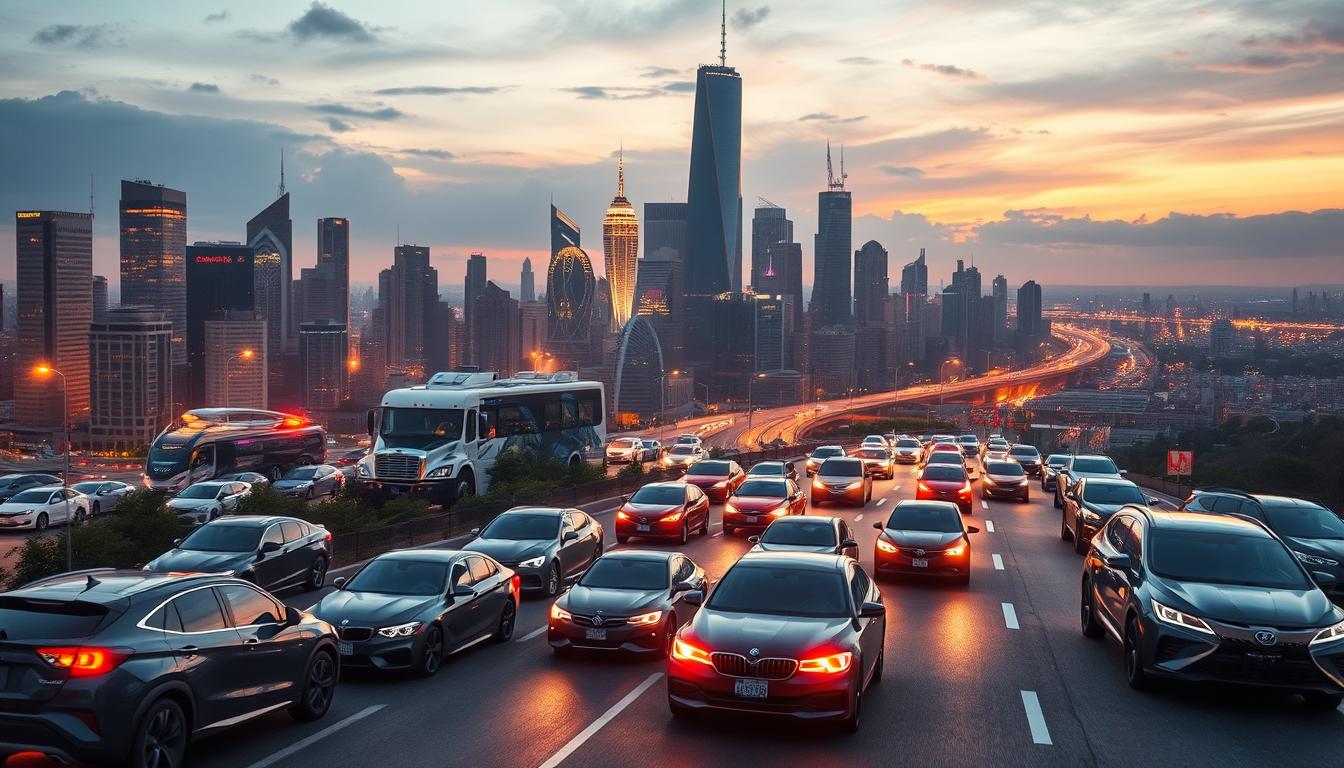
The automotive industry is undergoing a significant transformation with the advent of connected cars or smart vehicles. These vehicles are equipped with advanced technology that enables them to communicate with other vehicles, the internet, and external devices.
This connectivity offers a wide range of features and capabilities that enhance the driving experience, providing a safer, more convenient, and enjoyable ride. As we explore the world of connected cars, we’ll delve into their benefits, the technology behind them, and what the future holds for this rapidly evolving industry.
Key Takeaways
- Connected cars are revolutionizing the automotive industry with advanced technology.
- These smart vehicles offer enhanced safety, convenience, and driving experiences.
- The future of car connectivity holds much promise for innovation and growth.
- Understanding connected cars is crucial for navigating the changing automotive landscape.
- The benefits of connected cars extend beyond the driver to the broader community.
Overview of Connected Cars
Connected cars are transforming the driving experience, leveraging advanced technologies to enhance safety and convenience. The concept of connected cars revolves around the integration of various technologies that enable vehicles to communicate with their surroundings.
Definition of Connected Cars
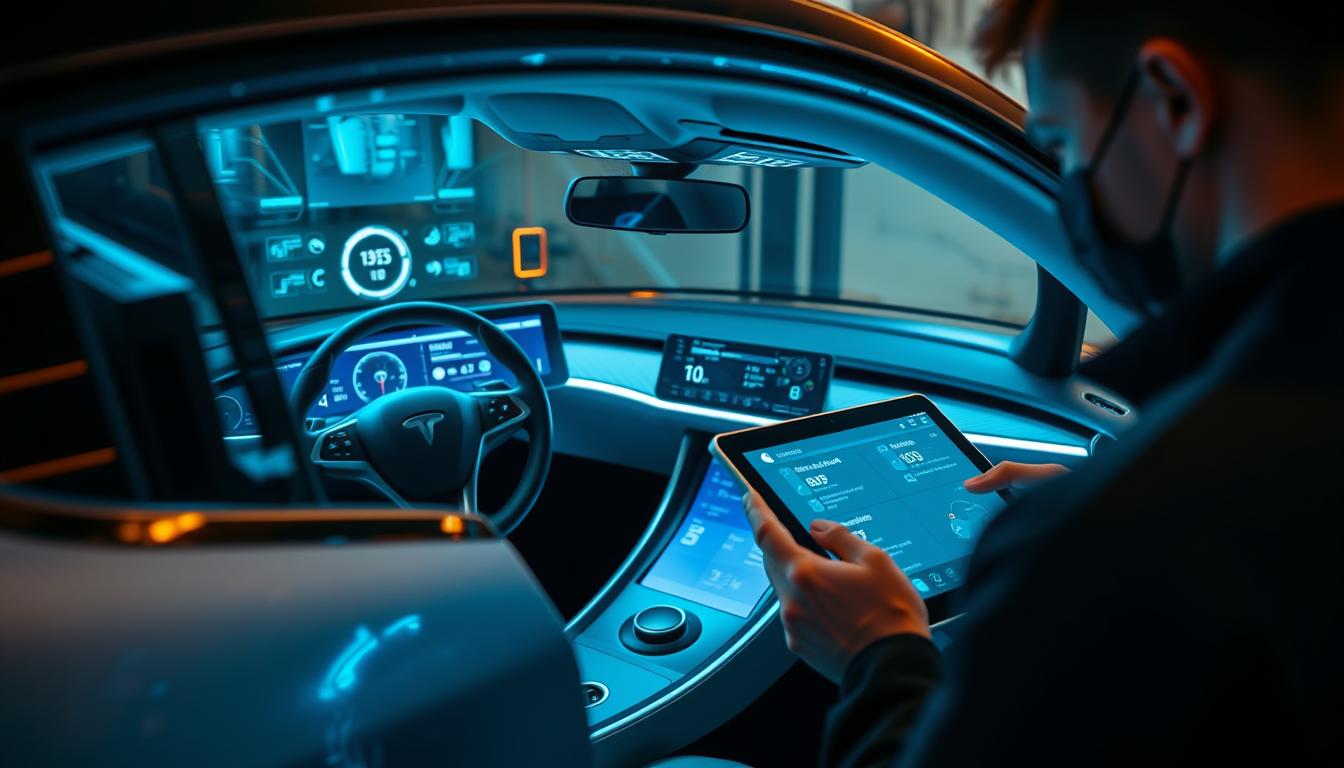
A connected car is a vehicle equipped with technologies that allow it to communicate with other vehicles, infrastructure, and external devices. This connectivity is facilitated through onboard sensors, telematics systems, and cellular networks, enabling a range of services from navigation and entertainment to safety features and vehicle diagnostics.
Key Technologies Behind Connectivity
The key technologies behind car connectivity include:
- Onboard sensors that monitor and report on vehicle performance and surroundings.
- Telematics systems that enable the transmission of data between the vehicle and external servers or devices.
- Cellular networks that provide the connectivity necessary for real-time data exchange.
The integration of these technologies is revolutionizing the automotive industry, enhancing the driving experience, and paving the way for future innovations such as autonomous vehicles.
| Technology | Description | Benefits |
|---|---|---|
| Onboard Sensors | Monitor vehicle performance and surroundings. | Enhanced safety features, improved diagnostics. |
| Telematics Systems | Enable data transmission between vehicle and external devices. | Real-time navigation, remote diagnostics. |
| Cellular Networks | Provide connectivity for real-time data exchange. | Seamless connectivity, enhanced infotainment. |
Benefits of Connected Cars
The rise of connected cars is bringing about significant improvements in road safety and traffic management. As smart vehicles become increasingly prevalent, they are transforming the driving experience in numerous ways.
Enhanced Safety Features
Connected cars are equipped with advanced safety features that alert drivers to potential hazards on the road. These features include real-time collision warnings, blind-spot detection, and emergency braking systems. By providing drivers with critical information, connected cars can significantly reduce the risk of accidents.
Improved Traffic Management
Connected cars can optimize traffic flow by providing real-time data on traffic conditions. This information can be used to adjust traffic signals, reducing congestion and minimizing travel times. Furthermore, connected cars can help drivers navigate through congested areas by suggesting alternative routes.
Increased Convenience for Drivers
The integration of smart technologies in vehicles has made driving more convenient than ever. Connected cars can provide drivers with real-time information on weather conditions, road closures, and nearby amenities. Additionally, they can offer personalized entertainment and navigation services, enhancing the overall driving experience.
In conclusion, the benefits of connected cars are multifaceted, ranging from enhanced safety features to improved traffic management and increased convenience for drivers. As the automotive industry continues to evolve, it is likely that we will see even more innovative applications of connected car technology.
How Connected Cars Work
The operation of connected cars is made possible through cutting-edge V2V and V2I communication technologies. These systems enable vehicles to share data and coordinate their actions, significantly enhancing safety and efficiency on the roads.
Vehicle-to-Vehicle Communication
Vehicle-to-Vehicle (V2V) communication allows cars to exchange information about their speed, position, and other vital parameters. This real-time data exchange helps in preventing accidents by enabling vehicles to anticipate and react to the actions of surrounding cars.
For instance, if a car suddenly brakes, it can immediately send a signal to nearby vehicles, prompting them to slow down or change lanes if necessary. This capability is particularly useful in reducing the risk of rear-end collisions and improving overall traffic flow.
Vehicle-to-Infrastructure Communication
Vehicle-to-Infrastructure (V2I) communication involves the exchange of information between vehicles and the surrounding infrastructure, such as traffic lights, road signs, and lane markings. This communication enables cars to receive real-time updates about traffic conditions, optimizing their routes and reducing congestion.
For example, a connected car approaching an intersection can receive a signal from the traffic light indicating when it will turn green. The car’s system can then adjust its speed to ensure it reaches the intersection at the optimal time, minimizing stops and reducing fuel consumption.
Key Benefits of V2V and V2I Communication:
- Enhanced safety through real-time alerts and warnings
- Improved traffic management and reduced congestion
- Increased convenience through optimized routing and speed adjustments
| Technology | Description | Benefits |
|---|---|---|
| V2V Communication | Exchange of information between vehicles | Reduced accidents, improved traffic flow |
| V2I Communication | Exchange of information between vehicles and infrastructure | Optimized traffic management, reduced congestion |
The Role of IoT in Connected Cars
The Internet of Things (IoT) is revolutionizing the automotive industry by transforming vehicles into smart, connected devices. This technological advancement is not just about connectivity; it’s about creating a comprehensive ecosystem that enhances the driving experience, improves safety, and optimizes vehicle performance.
What is the Internet of Things?
The Internet of Things refers to the network of physical devices, vehicles, home appliances, and other items embedded with sensors, software, and connectivity, allowing them to collect and exchange data. In the context of connected cars, IoT enables vehicles to communicate with other devices, infrastructure, and even other vehicles, creating a seamless and integrated driving experience.
IoT in connected cars involves various technologies and applications that work together to provide a range of benefits. From enhancing safety features to improving traffic management, IoT is at the heart of the connected car revolution.
Examples of IoT Applications in Cars
IoT applications in connected cars are diverse and impactful. Some key examples include:
- Remote Diagnostics: IoT enables remote monitoring of vehicle health, allowing for timely maintenance and reducing the likelihood of breakdowns.
- Predictive Maintenance: By analyzing data from various sensors, IoT systems can predict when maintenance is required, thus preventing potential issues.
- Personalized Services: IoT allows for the customization of in-car experiences, such as personalized entertainment and comfort settings, enhancing the overall driving experience.
These applications not only improve the driving experience but also contribute to safer roads and more efficient vehicle operation. As the automotive industry continues to evolve, the role of IoT in connected cars will only continue to grow, paving the way for future innovations.
Key Players in the Connected Car Market
The landscape of connected cars is being transformed by the collaborative efforts of automotive and technology companies. This synergy is driving innovation and shaping the future of the automotive industry.
Major Automobile Manufacturers
Leading automobile manufacturers are at the forefront of developing connected car technologies. Companies like General Motors, Ford, and Toyota are investing heavily in research and development to enhance vehicle connectivity and smart features.
For instance, General Motors has been working on its OnStar system, which provides a range of connected services including emergency services, navigation, and vehicle diagnostics. Similarly, Ford has introduced its SYNC system, allowing drivers to control various functions through voice commands.
| Manufacturer | Connected Car Initiative | Key Features |
|---|---|---|
| General Motors | OnStar | Emergency services, navigation, vehicle diagnostics |
| Ford | SYNC | Voice command, entertainment, navigation |
| Toyota | Toyota Connected | Data analytics, safety services, driver assistance |
Tech Companies Involved
Tech companies are also playing a crucial role in the connected car ecosystem. Giants like Google, Apple, and Microsoft are contributing their expertise in software and data analytics to enhance connected car capabilities.
“The integration of technology from companies like Google and Apple is revolutionizing the automotive industry by providing more sophisticated infotainment systems and leveraging data to improve vehicle performance.”
Google’s Android Automotive platform, for example, is being integrated into vehicles to provide a seamless user experience, offering services like navigation and media streaming directly through the vehicle’s infotainment system.
The collaboration between automobile manufacturers and tech companies is expected to drive further advancements in connected car technology, enhancing safety, convenience, and the overall driving experience.
Challenges Facing Connected Cars
The integration of advanced technologies in vehicles has introduced a new set of challenges. As the automotive industry continues to evolve with the concept of connected cars, it faces significant obstacles that need to be addressed to ensure a seamless and secure driving experience.
Cybersecurity Concerns
Cybersecurity is a major concern for connected cars, as they rely heavily on complex software and connectivity. Vulnerabilities in the system can be exploited by hackers, potentially leading to unauthorized access or control. For instance, in 2015, a notable incident involving the hacking of a Jeep Cherokee raised significant concerns about the safety and security of connected vehicles.
To mitigate these risks, manufacturers are investing in robust cybersecurity measures, including:
- Encryption technologies to protect data
- Regular software updates to patch vulnerabilities
- Intrusion detection systems to identify potential threats

Data Privacy Issues
Connected cars also raise significant data privacy concerns. These vehicles collect vast amounts of data, including personal information about drivers and passengers, as well as data on vehicle location and driving habits. Ensuring the privacy and security of this data is crucial.
| Type of Data | Description | Privacy Concerns |
|---|---|---|
| Personal Information | Driver and passenger details | Unauthorized access or misuse |
| Location Data | Vehicle GPS location and travel history | Tracking or surveillance |
| Driving Habits | Speed, acceleration, and braking patterns | Insurance rate manipulation or profiling |
To address these concerns, manufacturers must implement stringent data protection policies, including transparent data collection practices and robust security measures to safeguard the data collected by connected cars.
Future Trends in Car Connectivity
Connected cars are on the cusp of a new era, driven by innovations in autonomous driving and their integration with urban infrastructure. As technology continues to evolve, the automotive industry is witnessing a significant shift towards smarter, more connected vehicles.
The future of car connectivity is not just about enhancing the driving experience; it’s also about creating a safer, more efficient transportation system. With the advent of autonomous driving, vehicles will become increasingly capable of navigating complex road scenarios without human intervention.
Advances in Autonomous Driving
Autonomous driving technology is rapidly advancing, with many manufacturers investing heavily in the development of self-driving cars. These vehicles rely on a complex array of sensors, including LiDAR, radar, and cameras, to navigate their surroundings.
The benefits of autonomous driving are multifaceted, including reduced traffic congestion, improved safety, and enhanced mobility for the elderly and disabled. As this technology continues to mature, we can expect to see widespread adoption in the coming years.
| Feature | Current Status | Future Development |
|---|---|---|
| Sensor Technology | Advanced sensor suites are being tested | Integration of more sophisticated AI for better object detection |
| Autonomous Driving Levels | Level 2 and Level 3 autonomy are currently available | Level 4 and Level 5 autonomy expected to become mainstream |
| Regulatory Frameworks | Regulations are evolving to accommodate autonomous vehicles | Standardized regulations expected globally |
Integration with Smart Cities
The integration of connected cars with smart cities represents a significant opportunity for enhancing urban mobility. By leveraging vehicle-to-infrastructure (V2I) communication, smart vehicles can interact with city infrastructure to optimize traffic flow and reduce congestion.
For instance, connected cars can receive real-time traffic updates and adjust their routes accordingly, minimizing travel times and decreasing the likelihood of accidents. This level of integration requires a robust data exchange framework, ensuring that vehicles and city infrastructure can communicate seamlessly.
As we move towards a more connected future, the synergy between smart vehicles and smart cities will play a crucial role in shaping the automotive landscape. By embracing these trends, we can create a more efficient, safe, and enjoyable driving experience for everyone.
Regulatory Landscape for Connected Cars
As connected car technologies advance, regulatory bodies are working to create a framework that ensures safety and efficiency. The regulatory landscape for connected cars is complex, involving both government regulations and industry standardization efforts.
Government Regulations
Government regulations for connected cars vary by country but generally focus on issues such as data privacy, cybersecurity, and safety standards. For instance, in the United States, the National Highway Traffic Safety Administration (NHTSA) has issued guidelines for the development and deployment of connected car technologies.
Standardization Efforts
Standardization is key to the widespread adoption of connected car technologies. Industry organizations, such as the Automotive Information Sharing and Analysis Center (Auto-ISAC), are working to establish common standards for connected cars, ensuring interoperability and security.
| Region | Regulatory Body | Focus Areas |
|---|---|---|
| United States | NHTSA | Safety Standards, Cybersecurity |
| European Union | European Commission | Data Privacy, Interoperability |
| Japan | Ministry of Land, Infrastructure, Transport, and Tourism | Safety Standards, Autonomous Driving |
The regulatory landscape for connected cars is evolving, with a focus on creating a safe and efficient environment for these technologies to flourish. By understanding the current regulations and standardization efforts, stakeholders can better navigate this complex landscape.
Consumer Perception and Acceptance
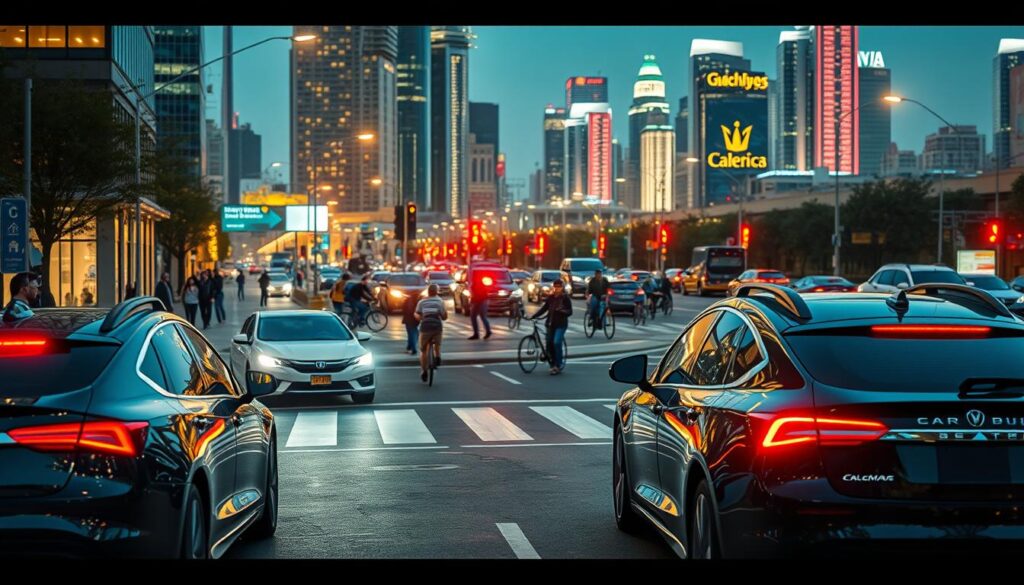
Consumer acceptance is a critical factor in the widespread adoption of connected car technologies. As the automotive industry continues to evolve, understanding how consumers perceive and interact with smart vehicles is essential for manufacturers and tech companies alike.
Awareness of Connected Car Technologies
A key factor in consumer acceptance is awareness. Many consumers are still unfamiliar with the benefits and capabilities of connected cars. Education and awareness campaigns can play a significant role in informing potential buyers about the advantages of these technologies, such as enhanced safety features and improved traffic management.
For instance, a study by the International Transportation Innovation Center found that consumers who are more aware of connected car technologies are more likely to adopt them. This highlights the importance of effective communication and education in promoting the adoption of smart vehicles.
Factors Influencing Consumer Trust
Trust is another crucial element influencing consumer acceptance of connected cars. Factors such as data privacy, cybersecurity, and the reliability of the technology can significantly impact consumer trust. Manufacturers must address these concerns through transparent practices and robust security measures.
As noted by
“The future of mobility is not just about the technology itself, but about how it makes people feel.” –
This quote underscores the importance of building trust with consumers by ensuring that connected car technologies are not only advanced but also secure and user-friendly.
A comparative analysis of factors influencing consumer trust in connected cars is presented in the following table:
| Factor | Importance Level | Manufacturer’s Response |
|---|---|---|
| Data Privacy | High | Implementing robust data protection policies |
| Cybersecurity | High | Enhancing security protocols and regular updates |
| Reliability | Medium | Conducting rigorous testing and quality assurance |
In conclusion, consumer perception and acceptance are vital for the successful adoption of connected car technologies. By enhancing awareness and building trust, manufacturers can pave the way for a future where smart vehicles are the norm.
Conclusion: The Road Ahead for Connected Cars
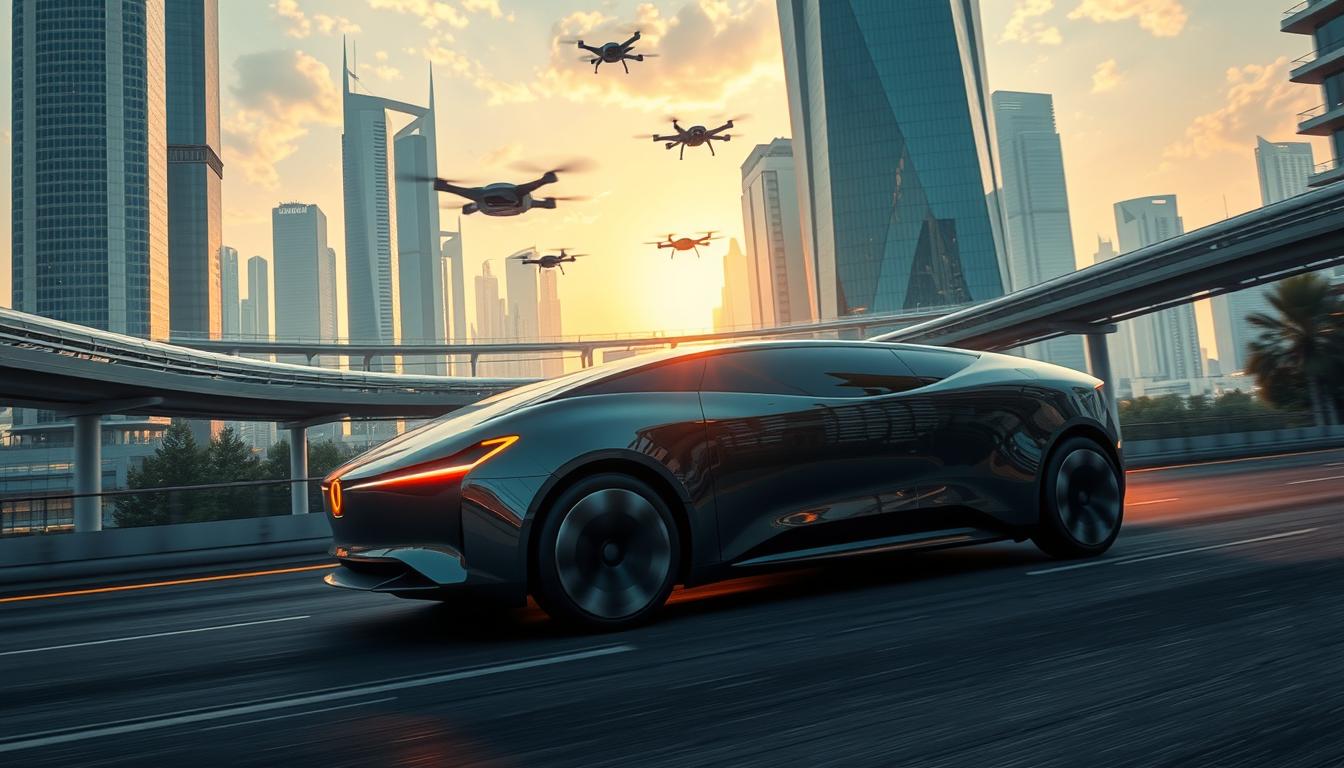
The development of connected cars is transforming the automotive industry, enabling new services and features that will revolutionize the driving experience. As the technology continues to evolve, it is expected to have a significant impact on future mobility solutions.
Key Developments
Connected cars, powered by the internet of cars, are being equipped with advanced technologies that enhance safety, convenience, and traffic management. These developments are expected to improve the overall driving experience, making it safer and more efficient.
Shaping Future Mobility
The impact of connected cars on future mobility solutions will be significant. As the technology advances, it is expected to enable new services and features that will transform the way we travel. With the integration of connected cars into the broader transportation ecosystem, we can expect to see improved traffic management, enhanced safety features, and increased convenience for drivers.

Hey team mycarroad.com,
I would like to discuss SEO!
I can help your website to get on first page of Google and increase the number of leads and sales you are getting from your website.
May I send you a quote & price list?
Bests Regards,
Ankit
Best AI SEO Company
Accounts Manager
http://www.bestaiseocompany.com
Phone No: +1 (949) 508-0277