





The battery pack in an all-electric vehicle is designed to last the lifetime of the vehicle. However, over time, and depending on how you treat them, these battery packs can slowly begin to lose the amount of energy they can store.
This reduction in energy storage capacity is a natural process, but there are ways to slow it down. Understanding the factors that affect ev battery life is crucial to maintaining your vehicle’s performance and extending its lifespan.
Key Takeaways
- Factors affecting ev battery life can be managed to slow down degradation.
- Proper care and maintenance can extend the lifespan of your vehicle’s battery.
- Understanding the causes of degradation is key to maintaining performance.
- Simple changes in driving habits can make a significant difference.
- Regular checks can help identify potential issues early on.
Understanding EV Battery Degradation
The ability of an EV’s battery to store and deliver energy diminishes over time, a phenomenon known as battery degradation. This natural process affects all rechargeable batteries and is influenced by various factors including charging habits, environmental conditions, and the inherent chemistry of the battery.
Definition of Battery Degradation
Battery degradation refers to the gradual decline in a battery’s ability to store and deliver energy. This reduction in energy capacity means that an electric vehicle cannot travel as far on a single charge as it could when the battery was new.
Common Signs of Degradation
Several signs indicate that an EV’s battery is degrading:
- Reduced range: The vehicle cannot travel as far as it once could.
- Decreased performance: Acceleration and overall power may diminish.
- Charging issues: Batteries may charge more slowly or not hold a charge as well.
Monitoring these signs can help EV owners understand the health of their vehicle’s battery.
How Degradation Affects Performance
Battery degradation directly impacts an EV’s performance and range. As the battery loses capacity, the vehicle’s overall efficiency decreases. The table below illustrates how different levels of degradation can affect an EV’s range and performance.
| Degradation Level | Range Reduction | Performance Impact |
|---|---|---|
| 0-10% | Minimal | Almost imperceptible |
| 10-20% | Noticeable reduction | Mild decrease in acceleration |
| 20-30% | Significant reduction | Noticeable decrease in power and efficiency |
Understanding these effects can help EV owners take proactive steps to minimize degradation and maintain their vehicle’s performance.
Factors Contributing to Battery Degradation
Battery degradation in EVs is a complex issue influenced by multiple factors, including environmental conditions and user habits. Understanding these factors is crucial for EV owners to take necessary precautions and maximize their vehicle’s lifespan.
Temperature Extremes
Temperature extremes play a significant role in battery degradation. High temperatures can cause batteries to degrade faster by increasing the chemical reactions within the battery, while low temperatures can reduce the battery’s efficiency and range.
Charging Habits
Charging habits are another critical factor affecting battery health. Frequent fast charging can cause more stress to the battery than regular charging, potentially leading to faster degradation. However, the impact of charging habits can vary depending on the battery’s chemistry and the vehicle’s charging system.
Cycle Count and Usage Patterns
The cycle count, or the number of charge cycles a battery undergoes, significantly affects its lifespan. Deep discharging (completely draining the battery) on a regular basis can reduce the battery’s overall health. Usage patterns, such as driving long distances frequently or using the vehicle for short trips, also impact the battery’s degradation rate.
Battery Chemistry Variations
Different battery chemistries have varying levels of resilience to degradation factors. For instance, lithium-iron-phosphate (LFP) batteries are known for their durability and resistance to thermal stress, whereas other chemistries might be more prone to degradation under certain conditions.
| Factor | Impact on Battery | Mitigation Strategy |
|---|---|---|
| High Temperatures | Increases chemical reactions, accelerating degradation | Park in shaded areas, use thermal management systems |
| Low Temperatures | Reduces efficiency and range | Preheat battery before use, avoid extreme cold |
| Fast Charging | Causes stress, potentially leading to faster degradation | Limit fast charging to necessary situations |
| Deep Discharging | Reduces overall battery health | Avoid completely draining the battery regularly |
By understanding these factors and taking proactive steps, EV owners can significantly extend the lifespan of their vehicle’s battery, ensuring optimal performance and value retention.
The Role of Temperature in Battery Life
Temperature plays a crucial role in determining the lifespan and performance of EV batteries. Extreme temperatures, both high and low, can significantly affect battery health.
Effects of High Temperatures
High temperatures can accelerate chemical reactions within the battery, leading to faster degradation. Prolonged exposure to heat can cause the battery to lose its capacity more quickly, reducing its overall lifespan. It’s essential to keep your EV in shaded areas or use sunshades when parked for extended periods.

Effects of Low Temperatures
On the other hand, low temperatures can temporarily reduce the battery’s efficiency and range. Cold weather slows down the chemical reactions, making the battery less effective. However, this effect is usually reversible once the battery warms up.
Ideal Temperature Ranges for Charging
The ideal temperature for charging EV batteries typically ranges between 60°F to 80°F (15°C to 27°C). Charging within this range can help maintain battery health and optimize its lifespan. It’s also worth noting that most modern EVs have battery management systems that help mitigate the effects of extreme temperatures.
To maximize ev battery life, it’s crucial to be mindful of the temperature conditions your vehicle is exposed to. By understanding the effects of temperature extremes and taking steps to manage them, you can help extend the life of your electric car’s battery.
Charging Practices to Maximize Battery Life
Adopting healthy charging practices can help prolong the life of your EV’s battery. Charging habits play a significant role in maintaining battery health, and understanding the best practices can make a significant difference.
Optimal Charging Times
Keeping your EV battery charge between 20% and 80% can help extend its lifespan. Avoiding letting it drop to 0% on a regular basis is also beneficial. Optimal charging times vary depending on your daily usage, but a good rule of thumb is to charge your vehicle when it’s convenient and you need it, rather than waiting for it to completely drain.
Avoiding Overcharging
Overcharging can be detrimental to your EV’s battery health. Most modern EVs have systems in place to prevent overcharging, but it’s still a good practice to unplug your vehicle once it’s fully charged. Overcharging can lead to increased battery degradation, reducing the overall lifespan of your battery.
- Monitor your charging levels to avoid overcharging.
- Use smart charging systems that can optimize charging times.
- Avoid keeping your vehicle plugged in for extended periods after it’s fully charged.
Benefits of Level 2 Charging
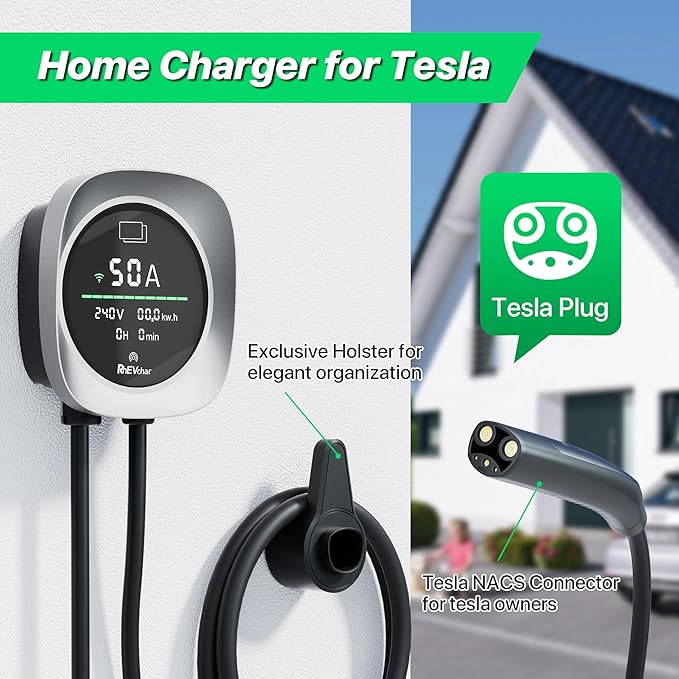
Level 2 charging offers several benefits over Level 1 charging, including faster charging times and reduced strain on the battery. Level 2 charging is particularly beneficial for daily driving needs, as it can fully charge your vehicle in a few hours, making it ready for the next day.
- Level 2 charging is faster and more efficient.
- It reduces the risk of overcharging by charging your vehicle more quickly.
- It’s more convenient for daily charging needs.
By adopting these charging practices, you can help maximize the life of your EV’s battery, ensuring it remains healthy and efficient over its lifespan.
Regular Maintenance for EV Batteries
Ensuring the longevity of your EV’s battery requires consistent and thorough maintenance. Regular maintenance not only prolongs the battery’s lifespan but also ensures that your electric vehicle operates at its optimal level.
Software Updates
One crucial aspect of maintaining your EV’s battery health is keeping the vehicle’s software up to date. Manufacturers often release updates that can improve battery management, fix bugs, and enhance overall performance. Staying current with software updates can significantly impact your battery’s health and efficiency.
For instance, a study by the Electric Vehicle Association found that vehicles that received regular software updates experienced a 15% reduction in battery degradation over a two-year period compared to those that did not receive updates.
Monitoring Battery Health
Monitoring your EV’s battery health is another vital maintenance task. Most modern electric vehicles come equipped with advanced battery management systems that provide insights into the battery’s condition. By keeping an eye on metrics such as state of charge, voltage, and temperature, you can identify potential issues early on.
“Regular monitoring of battery health can help prevent unexpected issues and prolong the lifespan of your EV’s battery.” –
Utilizing the data provided by your vehicle’s battery management system, you can make informed decisions about your charging habits and maintenance needs.
Importance of App-Based Diagnostics
Many EV manufacturers offer app-based diagnostics that allow owners to monitor their vehicle’s battery health remotely. These apps can provide detailed information about the battery’s state of charge, driving range, and potential issues. Leveraging these tools can help you stay on top of your EV’s maintenance needs.
| Diagnostic Feature | Description | Benefit |
|---|---|---|
| State of Charge | Displays the current charge level of the battery. | Helps plan charging sessions. |
| Driving Range | Estimates the distance the vehicle can travel on the current charge. | Assists in trip planning. |
| Battery Health Alerts | Notifies owners of potential issues or degradation. | Allows for timely intervention. |
By combining regular software updates, diligent monitoring of battery health, and the use of app-based diagnostics, you can significantly extend the life of your EV’s battery.
The Impact of Fast Chargers on Battery Health
Fast charging is a convenient feature for EV owners, but its impact on battery degradation is a topic of significant interest. As the adoption of electric vehicles continues to grow, understanding how fast chargers affect battery health is essential for maximizing the lifespan of EV batteries.
Fast Charging vs. Regular Charging
Fast charging allows EVs to recharge quickly, often to 80% in under 30 minutes. However, this rapid influx of energy can cause higher temperatures and stress on the battery, potentially accelerating degradation. In contrast, regular or Level 2 charging is generally slower and considered less stressful on the battery.
The key differences between fast charging and regular charging are:
- Speed: Fast charging is significantly quicker.
- Heat Generation: Fast charging generates more heat.
- Battery Stress: Fast charging can cause more stress on the battery.
When to Use Fast Chargers
While frequent use of fast chargers can negatively impact battery health, there are situations where their use is necessary. For instance, during long trips, fast charging can be a lifesaver, getting drivers back on the road quickly. It’s recommended to use fast chargers judiciously, reserving them for when they’re truly needed.
| Charging Method | Speed | Impact on Battery |
|---|---|---|
| Fast Charging | Up to 80% in | Higher stress and heat |
| Regular Charging | Several hours for full charge | Lower stress and heat |
Long-Term Effects of Rapid Charging
Research indicates that frequent fast charging can lead to faster battery degradation. A study comparing different charging methods found that batteries subjected to regular fast charging showed more significant degradation over time compared to those charged using Level 2 charging.

In conclusion, while fast charging is a valuable feature for EV owners, especially during long trips, it’s crucial to be aware of its potential impact on battery health. By understanding when to use fast chargers and balancing their use with regular charging, EV owners can help extend the life of their vehicle’s battery.
How Driving Habits Influence Battery Degradation
Aggressive driving, frequent acceleration, and other driving habits can affect EV battery life. The way you drive your electric vehicle can have a significant impact on its battery health and overall longevity.
Aggressive Driving Techniques
Aggressive driving techniques, such as rapid acceleration and hard braking, can put additional stress on an electric vehicle’s battery. This stress can lead to increased battery degradation over time. Smooth and steady driving is recommended to minimize the strain on the battery.
Consistent Speed vs. Stop-and-Go
Driving at a consistent speed can help in reducing battery stress, whereas frequent stop-and-go traffic can increase the load on the battery. Regenerative braking can help recover some energy during stops, but aggressive stop-and-go driving still negatively impacts battery health.
Impact of Vehicle Load
The weight or load of the vehicle also plays a role in battery degradation. Carrying heavy loads or towing trailers can increase the energy required to move the vehicle, thereby putting more strain on the battery. Being mindful of the vehicle’s load can help in preserving battery life.
By adopting smoother driving habits, maintaining a consistent speed when possible, and being aware of the vehicle’s load, electric vehicle owners can take steps to prolong their vehicle’s battery life. These practices not only contribute to the overall efficiency of the vehicle but also help in reducing the need for frequent battery replacements.
Innovations in Battery Technology
As the demand for electric vehicles grows, so does the need for innovative battery solutions that can mitigate battery degradation. The electric vehicle industry is rapidly evolving, with significant advancements in battery technology aimed at improving performance and longevity.
Advancements in Battery Chemistry
One of the key areas of innovation is battery chemistry. Researchers are exploring new cathode materials and battery chemistries that can enhance energy density, reduce costs, and minimize degradation. For instance, lithium-iron-phosphate batteries are gaining popularity due to their safety and longevity.
Solid-State Batteries
Solid-state batteries are another promising development. By replacing the liquid electrolyte with a solid material, these batteries offer improved safety, faster charging times, and potentially higher energy density. This technology is expected to significantly reduce battery degradation over time.
Lifecycle Improvements
Lifecycle improvements are also a critical focus area. Manufacturers are working on designs that can extend the lifespan of EV batteries through better thermal management and more efficient charging systems. This includes innovations like advanced battery management systems and more durable battery enclosures.
| Innovation | Benefits | Potential Impact |
|---|---|---|
| Advancements in Battery Chemistry | Enhanced energy density, reduced costs | Improved EV affordability and range |
| Solid-State Batteries | Improved safety, faster charging | Reduced battery degradation, enhanced user experience |
| Lifecycle Improvements | Extended battery lifespan | Lower replacement costs, increased EV adoption |
These innovations in battery technology are poised to transform the EV landscape by addressing one of the major concerns for EV owners: battery degradation. As these technologies mature, we can expect to see significant improvements in the performance and longevity of EV batteries.
Tips for Extending EV Battery Lifespan
To maximize your electric vehicle’s battery life, it’s essential to adopt best practices for daily use, seasonal care, and know when to seek professional help. By doing so, you can significantly extend your EV’s battery lifespan and maintain its overall health.
Daily Use Best Practices
Maintaining a moderate state of charge, avoiding extreme temperatures, and driving smoothly can help reduce battery degradation. Regular software updates and monitoring battery health through app-based diagnostics can also contribute to optimal battery performance and extended ev battery life.
Seasonal Care Considerations
During extreme temperatures, take extra precautions to protect your EV’s battery. In hot climates, try to park in shaded areas or use a sunshade to minimize direct sun exposure. In cold climates, consider preheating your vehicle while still plugged in to reduce the strain on the battery.
Knowing When to Seek Help
If you notice any unusual signs of battery degradation, such as reduced range or unusual battery behavior, consult your vehicle’s manufacturer or a certified technician for guidance on electric car battery care. They can help identify potential issues and provide recommendations to maintain your battery’s health and prevent further battery degradation.
FAQ
What is EV battery degradation?
How can I slow down EV battery degradation?
What is the ideal temperature range for charging my EV?
Can fast charging damage my EV’s battery?
How do driving habits affect EV battery degradation?
What are the benefits of regular software updates for my EV?
How can I monitor my EV’s battery health?
What are some best practices for daily EV use to extend battery life?
Are there any seasonal care tips for EV batteries?
When should I seek professional help for my EV’s battery?