






Most people today own a smartphone, a laptop, or both. These devices require regular software updates to function properly and stay secure.
Just like our personal devices, modern vehicles rely on complex automotive firmware to operate efficiently. As connected cars become increasingly prevalent, the need for timely car software updates has never been more critical.
These updates not only enhance performance but also address potential vulnerabilities, ensuring a safer driving experience.
Key Takeaways
- Regular software updates are crucial for device security and performance.
- Modern vehicles rely on complex automotive firmware.
- Connected cars require timely software updates.
- Updates enhance vehicle performance and safety.
- Car software updates address potential vulnerabilities.
Understanding Car Software Updates
The importance of car software updates cannot be overstated, as they play a vital role in maintaining vehicle performance and safety. As cars become more sophisticated, their reliance on software increases, making regular updates essential.
What Are Car Software Updates?
Car software updates refer to the process of modifying or improving the software that controls various aspects of a vehicle’s operation. This can include updates to the engine control unit, infotainment systems, and safety features. Automotive firmware is a critical component of these updates, as it provides the necessary instructions for the vehicle’s computer systems to function correctly.
Types of Car Software Updates
There are primarily two types of car software updates: traditional updates and over-the-air (OTA) updates.
- Traditional Updates: These updates require the vehicle to be taken to a dealership or service center. Technicians use specialized equipment to update the vehicle’s software.
- Over-the-Air (OTA) Updates: OTA updates can be installed remotely, directly to the vehicle through a cellular or Wi-Fi connection. This method is more convenient and can save time.
Both types of updates have their benefits. Traditional updates provide an opportunity for technicians to inspect the vehicle and perform other necessary maintenance. OTA updates, on the other hand, offer the convenience of not having to physically take the vehicle to a service center.
How Updates Work
The process of updating car software involves several steps. For traditional updates, the vehicle’s computer system is connected to a diagnostic tool that uploads the new software. For OTA updates, the process is automated, with the vehicle receiving the update directly through its internet connection.
The update process typically involves verifying the vehicle’s current software version, downloading the update, and then installing it. This ensures that the vehicle’s systems are running with the latest improvements and fixes.
In conclusion, understanding car software updates is crucial for maintaining the performance, safety, and overall health of modern vehicles. Whether through traditional or OTA updates, keeping the vehicle’s software up-to-date is essential.
The Role of Technology in Modern Vehicles
As automotive technology continues to evolve, the role of software in modern vehicles has become more critical than ever. Modern cars are essentially computers on wheels, with numerous electronic control units (ECUs) managing everything from navigation to engine performance.
Rise of Connectivity in Cars
The rise of connected cars has transformed the automotive landscape. These vehicles are equipped with advanced technologies that enable them to communicate with other devices and systems, enhancing the driving experience. Key features include:
- Real-time traffic updates
- Remote diagnostics
- Over-the-air updates for automotive firmware
Features Powered by Software
Software plays a pivotal role in powering various features in modern vehicles, including:
- Advanced driver-assistance systems (ADAS)
- Infotainment systems
- Navigation and mapping services
These features not only enhance the driving experience but also contribute to improved safety and efficiency on the road.
Safety Enhancements Through Software
Safety is a paramount concern in the automotive industry, and software has been instrumental in enhancing safety features. Some of the key safety enhancements include:
- Automatic emergency braking
- Lane departure warning systems
- Blind-spot monitoring
These features, powered by sophisticated software, significantly reduce the risk of accidents and improve overall road safety.
Benefits of Regular Software Updates
The importance of software updates for cars cannot be overstated, as they bring numerous benefits that enhance the overall driving experience. Regular software updates are essential for maintaining the health and performance of connected cars.

Improved Performance and Efficiency
One of the primary benefits of regular software updates is the improvement in vehicle performance and efficiency. Updates can optimize engine performance, improve fuel efficiency, and enhance overall drivability. For instance, Tesla has used software updates to improve the performance of its vehicles, allowing them to accelerate faster and operate more smoothly.
Enhanced Safety Features
Software updates also play a critical role in enhancing safety features in modern vehicles. Updates can improve safety systems such as automatic emergency braking, lane departure warning, and adaptive cruise control. By keeping these systems up to date, drivers can enjoy a safer driving experience. For example, updates can enhance the functionality of advanced driver-assistance systems (ADAS), making them more effective at preventing accidents.
New Features and Functionality
In addition to improving performance and safety, software updates can also introduce new features and functionality to vehicles. This can include everything from new infotainment systems to enhanced navigation capabilities. As a result, drivers can enjoy a more convenient and enjoyable driving experience. Manufacturers like Tesla have used software updates to add new features such as Smart Summon, which allows vehicles to autonomously navigate parking lots and come to the driver’s location.
By keeping their vehicle’s software up to date, drivers can unlock the full potential of their connected cars. Regular updates ensure that vehicles continue to run smoothly, efficiently, and safely, providing a better driving experience overall.
The Risks of Neglecting Software Updates
Regular car software updates are crucial for preventing potential security vulnerabilities and maintaining optimal vehicle performance. Neglecting these updates can expose your vehicle to significant risks, affecting not only its performance but also its safety and compliance with regulatory standards.
Potential Security Vulnerabilities
Modern vehicles rely heavily on software to operate various systems, from navigation and entertainment to critical safety features. As vehicles become increasingly connected, the risk of cyber threats also grows. Neglecting software updates can leave your vehicle vulnerable to hacking, potentially allowing unauthorized access to sensitive systems. This could compromise safety features, leading to potentially dangerous situations on the road.
Impact on Vehicle Performance
Outdated software can also negatively impact your vehicle’s performance. Updates often include improvements to engine management, transmission control, and other critical systems. Without these updates, your vehicle may not run as efficiently, potentially leading to decreased fuel economy and increased emissions. Furthermore, outdated software can cause issues with various vehicle systems, resulting in a less comfortable driving experience.
Regulatory Compliance Issues
Governments worldwide are implementing stricter regulations regarding vehicle safety and emissions. Keeping your vehicle’s software up-to-date is essential for ensuring compliance with these regulations. Failure to do so could result in your vehicle being deemed non-compliant, potentially leading to fines or other penalties. Moreover, staying updated can help manufacturers identify and rectify potential issues before they become major problems.
In conclusion, neglecting car software updates can have serious consequences, from security vulnerabilities to performance issues and regulatory non-compliance. It’s essential to stay on top of these updates to ensure your vehicle remains safe, efficient, and compliant with the latest standards.
How to Know When an Update Is Available
As cars become more connected, the need to stay informed about available software updates has never been more important. Vehicle manufacturers are continually working to improve their vehicles’ performance, safety, and features through software updates.
Manufacturer Notifications
One of the primary ways vehicle owners can stay informed is through direct notifications from the manufacturer. Many car brands now offer notification systems that alert owners when a software update is available for their vehicle. These notifications can be sent via email, text message, or through the vehicle’s infotainment system, ensuring that owners are always in the loop.
Mobile Apps and Websites
In addition to direct notifications, manufacturers often provide mobile apps and dedicated websites where owners can check for available updates. These platforms not only inform owners about updates but also provide instructions on how to apply them. For instance, some apps allow owners to check for updates, download them, and install them directly to their vehicle.
Key Features to Look for in Mobile Apps and Websites:
- Update notifications
- Update history
- Installation instructions
- Support for troubleshooting
Dealership Insights
Dealerships also play a crucial role in keeping vehicle owners informed about software updates. During routine maintenance visits, dealerships can check for available updates and inform owners about the necessity and benefits of applying these updates. Moreover, owners can proactively contact their local dealership to inquire about any available software updates for their vehicle.
By leveraging these channels, vehicle owners can ensure they stay up-to-date with the latest software improvements, enhancing their vehicle’s performance, safety, and overall driving experience.
Best Practices for Maintaining Software
As vehicles become increasingly connected, the importance of maintaining their software cannot be overstated. The automotive firmware plays a critical role in ensuring that your vehicle operates efficiently and securely.
To keep your vehicle’s software in top condition, it’s essential to follow a few best practices. Regular check-ups are vital for identifying any potential issues before they become major problems.
Scheduling Regular Check-ups
Regularly scheduling check-ups with your dealership or manufacturer can help ensure that your vehicle’s software is up to date. These check-ups can identify any necessary updates and apply them to your vehicle’s system, ensuring it remains secure and performs optimally.
During these check-ups, technicians can also diagnose any issues related to the connected cars technology, addressing problems such as connectivity issues or software glitches.
Keeping Track of Update History
Maintaining a record of update history is another crucial practice. By keeping track of the updates applied to your vehicle’s software, you can better understand the current state of your vehicle’s system and identify any patterns or recurring issues.
This information can be invaluable when troubleshooting or when consulting with technicians. It provides a clear picture of your vehicle’s software status, helping to ensure that any future updates are applied correctly.
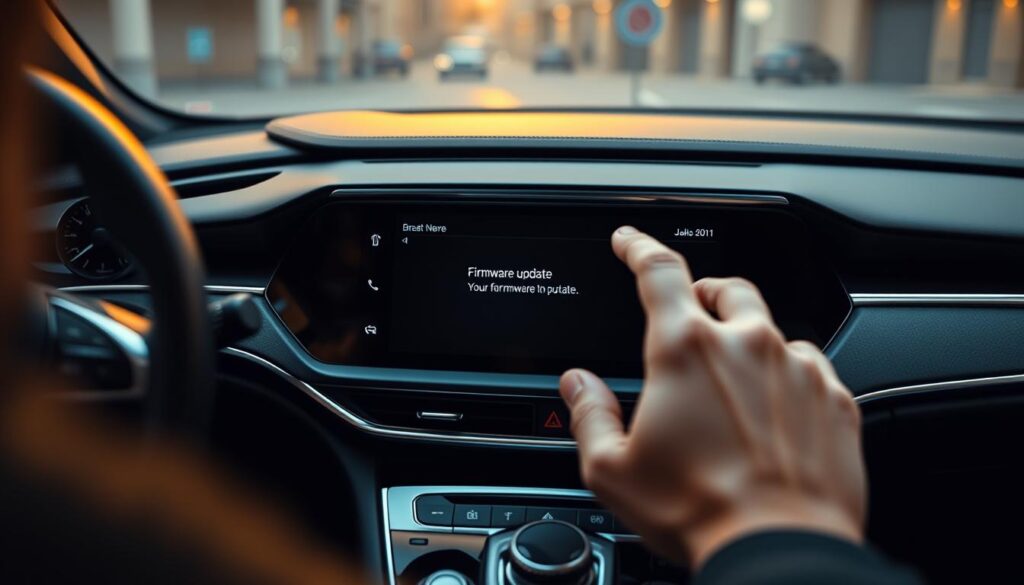
Educating Yourself About Your Vehicle Software
Educating yourself about your vehicle’s software is also important. Understanding how the software works and what it does can help you identify potential issues early on.
Many manufacturers provide resources and documentation on their software and how to maintain it. Taking advantage of these resources can empower you to take a more active role in maintaining your vehicle’s software, ensuring it remains up to date and secure.
By following these best practices, you can help ensure that your vehicle’s software is well-maintained, enhancing both the performance and security of your connected cars technology.
The Future of Car Software Updates
Technological advancements are transforming the landscape of car software updates. As the automotive industry continues to evolve, it’s clear that the future of car software updates will be shaped by several key trends.
Anticipating Technological Advancements
The automotive industry is on the brink of a technological revolution, with advancements in areas like artificial intelligence and machine learning set to play a crucial role. These technologies will enable more sophisticated car software updates, allowing for improved vehicle performance and new features.
For instance, AI-powered predictive maintenance will become more prevalent, enabling vehicles to anticipate and prevent potential issues before they arise. This proactive approach will not only enhance the driving experience but also contribute to safer roads.
The Role of Over-the-Air Updates
Over-the-air (OTA) updates have already begun to transform the way car software updates are delivered. By enabling manufacturers to push updates directly to vehicles, OTA technology eliminates the need for physical visits to dealerships.
The benefits of OTA updates are numerous, including:
- Improved convenience for vehicle owners
- Reduced recall rates due to timely software fixes
- Enhanced vehicle security through rapid deployment of security patches
As OTA technology continues to mature, we can expect to see even more widespread adoption across the automotive industry.
Electrification and Software Development
The shift towards electric vehicles (EVs) is another key trend shaping the future of car software updates. As EVs become more prevalent, manufacturers are focusing on developing software that optimizes battery performance, range, and overall vehicle efficiency.
The following table highlights some key areas where software development is impacting EV performance:
| Software Focus Area | Impact on EVs |
|---|---|
| Battery Management | Optimizes charging and discharging, extending battery life |
| Range Optimization | Improves energy efficiency, maximizing vehicle range |
| Performance Tuning | Enhances vehicle acceleration and responsiveness |
As the automotive industry continues to evolve, it’s clear that car software updates will play an increasingly critical role in shaping the future of transportation.
Addressing Common Concerns About Updates
With the rise of connected cars, understanding the nuances of car software updates is more critical than ever. As vehicles become increasingly reliant on software, owners are faced with a myriad of questions and concerns regarding these updates.
Misconceptions About Update Necessity
One common misconception is that car software updates are optional or unnecessary. However, these updates are crucial for maintaining vehicle performance, enhancing safety features, and ensuring compliance with regulatory standards. Ignoring updates can lead to decreased vehicle efficiency and potentially expose owners to security risks.
For instance, updates often include patches for security vulnerabilities that could be exploited if left unaddressed. Moreover, updates can improve the overall driving experience by enhancing features such as navigation systems and infotainment platforms.
Addressing Costs and Access
Another concern revolves around the costs associated with car software updates and the accessibility of these updates. While some updates may be free, others could incur a cost, depending on the manufacturer’s policies and the nature of the update. It’s essential for vehicle owners to understand that while there may be costs involved, the long-term benefits often outweigh these expenses.
In terms of access, most modern vehicles allow owners to check for updates through the manufacturer’s mobile app or website. Dealerships also play a crucial role in informing owners about available updates. The following table summarizes the common methods of accessing car software updates:
| Method | Description | Accessibility |
|---|---|---|
| Manufacturer’s Mobile App | Check and install updates directly through the app. | High |
| Manufacturer’s Website | Visit the website to check for updates and follow instructions. | High |
| Dealership | Contact local dealerships for information on available updates. | Medium |
Dealing with Update Interruptions
Update interruptions can be a significant concern, as they may disrupt the update process, potentially leaving the vehicle’s software in an unstable state. To mitigate this risk, it’s recommended to ensure a stable environment during updates, such as maintaining a reliable internet connection and following the manufacturer’s guidelines.
Best practices include scheduling updates during periods of low usage and ensuring the vehicle’s battery is sufficiently charged. By taking these precautions, owners can minimize the risk of interruptions and ensure a smooth update process.
Conclusion: Stay Updated for a Safer Drive
As vehicles become increasingly reliant on software, staying updated with the latest automotive firmware is crucial for both performance and safety. Connected cars, with their advanced features and connectivity, require regular software updates to function optimally.
Key Takeaways
Regular software updates improve vehicle safety, enhance performance, and provide new features. Neglecting these updates can lead to security vulnerabilities and impact overall vehicle health.
Maintaining Your Vehicle’s Software
To keep your connected car running smoothly, schedule regular check-ups and stay informed about the latest updates. By doing so, you’ll not only ensure your vehicle remains safe and efficient but also prolong its lifespan.
FAQ
What is a car software update?
How do I know if my vehicle needs a software update?
What are the benefits of keeping my vehicle’s software up to date?
What are the risks of not keeping my vehicle’s software updated?
Can I update my vehicle’s software on my own?
How do over-the-air updates work?
Are car software updates free?
How can I stay informed about available software updates for my vehicle?
What are the best practices for maintaining my vehicle’s software?
How will car software updates evolve in the future?