




Electric Vehicles (EVs) are not just changing how cars move—they are also changing how cars think. As the world shifts away from petrol and diesel engines, the software behind modern vehicles is becoming more important than ever.
In this post, we’ll explore how EVs are transforming automotive software, why it matters, and what it means for the future of driving.
1. Software is Now the Heart of the Vehicle
In traditional cars, the engine and mechanical parts were the main focus. In EVs, software plays a much bigger role. From controlling battery usage to managing power flow and optimizing range, software is what makes an EV efficient.
Some EVs even receive over-the-air (OTA) updates, just like your smartphone. This means your car can improve its performance, add features, or fix bugs—without visiting a workshop.
2. Advanced Driver Assistance Systems (ADAS)
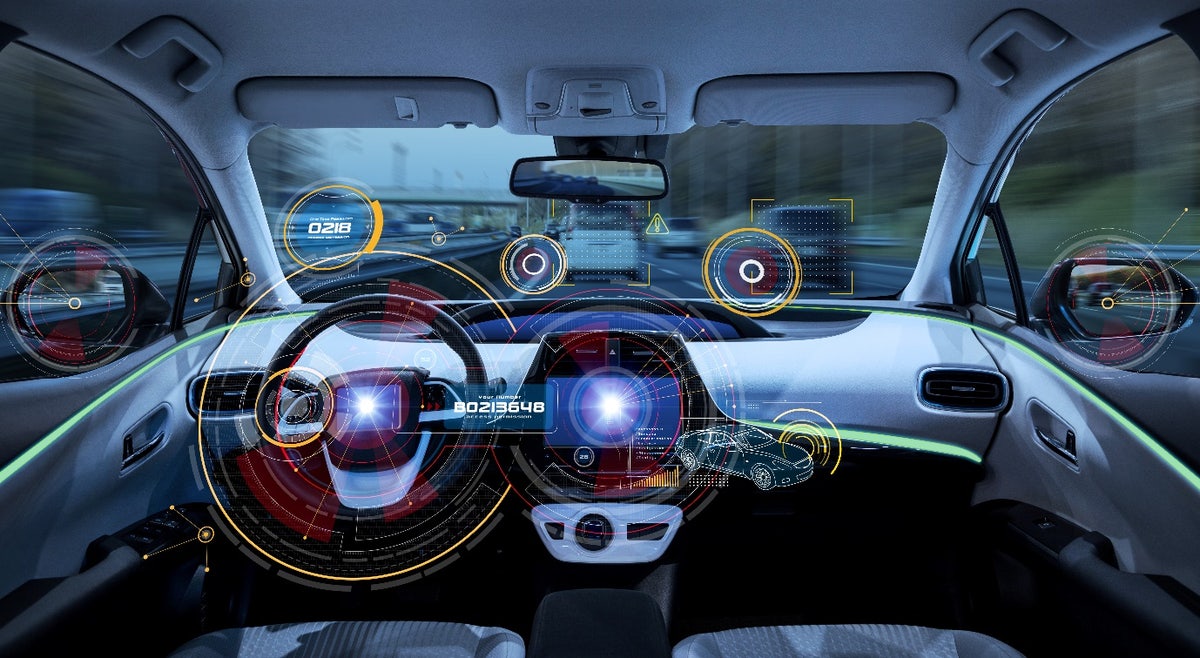
EVs often come equipped with ADAS features such as lane-keeping assist, adaptive cruise control, and automated emergency braking. These features rely heavily on software and sensors to function properly. As EVs evolve, these systems will become smarter and safer.
3. User Experience & Infotainment
Inside the cabin, the experience is becoming more digital. EVs now offer large touchscreens, voice commands, and customizable driving modes. The entire dashboard is managed by software, offering users a tech-forward driving experience.
Some EV makers even allow third-party apps or games in the car. This makes software a key selling point—not just for safety or performance, but also for entertainment and comfort.

4. EVs and AI Integration
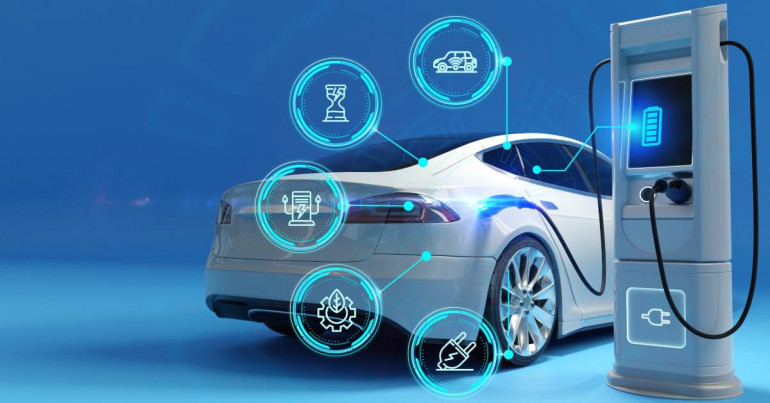
Many EV manufacturers are investing in Artificial Intelligence (AI). AI can analyze driving patterns, suggest charging stops, and even help with route planning to avoid traffic or reduce energy use. The software behind this is complex, but it’s designed to make life easier for the driver.
5. What This Means for the Future
As EV adoption grows, car companies are hiring more software engineers than mechanical engineers. Cars are turning into smart devices on wheels.
This shift also means software security becomes critical. Hackers targeting vehicles is no longer science fiction—it’s a real concern, and cybersecurity is becoming part of automotive software development.
Conclusion
Electric vehicles are not just about clean energy. They represent a complete change in how cars are designed, built, and operated. Software is now at the core of this transformation.
If you’re thinking of buying an EV or just love car tech, it’s important to understand how automotive software is shaping the future of mobility.