


Keeping your vehicle in top condition is crucial for its longevity and your financial well-being. Neglecting car maintenance tips can lead to costly repairs down the road.
vehicle maintenance, you can avoid expensive breakdowns and ensure your car runs smoothly for years to come.
Regular car maintenance is not just about preventing costly repairs; it’s also about optimizing your vehicle’s performance and fuel efficiency.
Key Takeaways
- Regular maintenance prevents costly repairs.
- Proper vehicle care optimizes fuel efficiency.
- Neglecting maintenance can lead to premature wear.
- Staying on top of car maintenance tips saves money.
- Vehicle maintenance is crucial for longevity.
The Hidden Costs of Neglecting Your Vehicle
The true cost of ignoring regular car maintenance goes beyond the initial savings, often resulting in expensive repairs down the line. Neglecting routine maintenance can lead to a myriad of issues that affect not only your vehicle’s performance but also its longevity.
Common Car Problems Caused by Poor Maintenance
Poor maintenance can cause a variety of common car problems, including worn-out brake pads, misaligned tires, and dirty air filters. These issues can lead to decreased fuel efficiency, reduced vehicle performance, and increased emissions. For instance, a dirty air filter can cause your engine to work harder, leading to increased fuel consumption and potentially damaging your engine over time.
| Maintenance Task | Consequence of Neglect | Potential Cost |
|---|---|---|
| Oil Changes | Engine Wear and Tear | $500-$1000 |
| Tire Rotation | Uneven Tire Wear | $200-$500 |
| Brake Pad Replacement | Brake Failure | $300-$1000 |
How Small Issues Become Expensive Repairs
Small issues, if left unaddressed, can escalate into major repairs. For example, a small leak in the cooling system can cause your engine to overheat, potentially leading to costly engine damage. Regular maintenance helps identify these issues early on, saving you money in the long run. It’s essential to address problems as soon as they arise to prevent further damage.
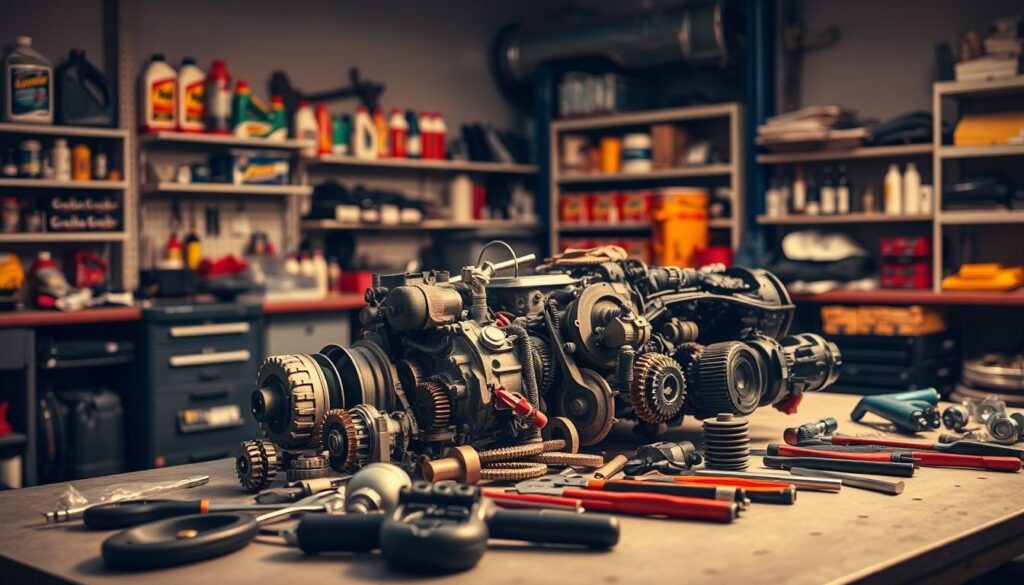
By staying on top of maintenance, you can avoid the hidden costs associated with neglecting your vehicle. Regular checks and timely repairs not only ensure your vehicle’s longevity but also help in maintaining its performance and safety.
Understanding the Economics of Regular Car Maintenance
Regular maintenance is a crucial aspect of car ownership, offering substantial long-term financial benefits. By understanding the economics behind regular car maintenance, vehicle owners can make informed decisions that impact their vehicle’s longevity and their financial health.
Cost-Benefit Analysis of Preventative Maintenance
Conducting a cost-benefit analysis of preventative maintenance reveals that the upfront costs of regular maintenance are significantly lower than the costs associated with repairing or replacing parts that fail due to neglect. For instance, regularly changing your car’s oil can cost between $30 to $75 every 5,000 to 7,500 miles, whereas neglecting oil changes can lead to engine damage that costs thousands of dollars to repair.
Moreover, preventative maintenance includes tasks like tire rotation, brake pad replacement, and fluid checks, all of which are less expensive when done proactively rather than reactively. By investing in regular maintenance, car owners can avoid the higher costs associated with major repairs.
The Financial Impact of Extended Vehicle Lifespan
Extending a vehicle’s lifespan through regular maintenance not only delays the need for a new vehicle but also has a significant financial impact. A well-maintained car can last for many years beyond its average lifespan, thereby delaying the financial burden of purchasing a new vehicle.
Furthermore, maintaining a vehicle properly can enhance its resale value. Potential buyers are willing to pay more for a car that has been well cared for, as it assures them of the vehicle’s reliability and longevity. Thus, the financial benefits of extended vehicle lifespan are twofold: delayed expenditure on a new car and potentially higher resale value.
Essential Oil Changes and Fluid Maintenance
To ensure your vehicle operates at its best, understanding the importance of oil changes and other fluid maintenance is key. Regular maintenance of your car’s fluids can significantly impact its performance, fuel efficiency, and overall longevity.
Optimal Oil Change Schedules for Different Vehicles
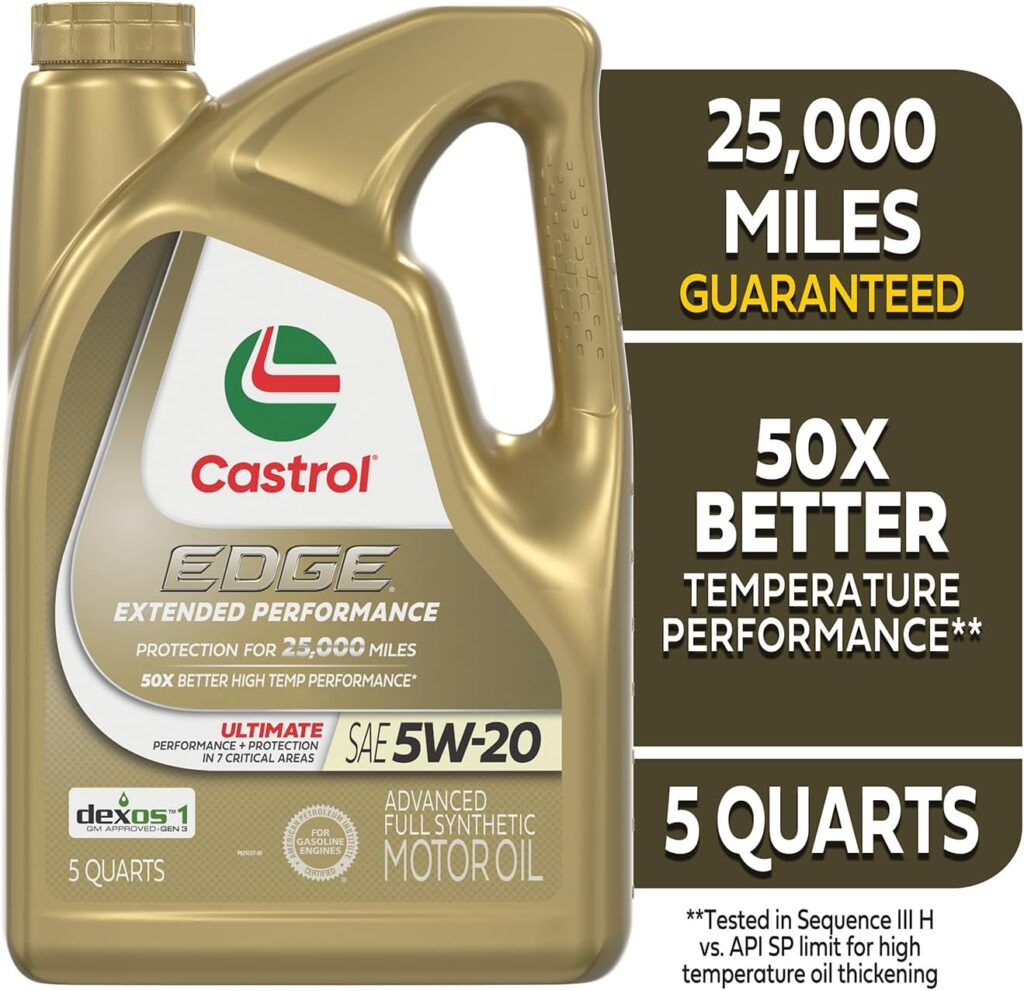
The frequency of oil changes depends on various factors, including the type of vehicle, driving conditions, and the type of oil used. For instance, conventional oil typically needs to be changed every 5,000 to 7,500 miles, while synthetic oil can last up to 10,000 to 15,000 miles.
Conventional vs. Synthetic Oil Considerations
Synthetic oil, although more expensive, offers superior performance in extreme temperatures and can improve fuel efficiency. Conventional oil, on the other hand, is more affordable but may not provide the same level of protection.
Checking and Replacing Other Critical Fluids
Apart from engine oil, other vital fluids include transmission, brake, and power steering fluids. Regular checks can help identify leaks or degradation early on.
Transmission, Brake, and Power Steering Fluids
Transmission fluid lubricates the transmission, brake fluid is essential for the braking system, and power steering fluid facilitates smooth steering. Neglecting these can lead to costly repairs.
By staying on top of oil changes and fluid maintenance, you can prevent premature wear on your vehicle’s components, ensuring it runs smoothly for years to come.
Tire Care and Rotation: A Major Money-Saver
Taking care of your tires through regular rotation and pressure checks can save you money in the long run. Proper tire maintenance not only extends the life of your tires but also improves your vehicle’s overall performance and fuel efficiency.
Proper Tire Pressure and Its Effect on Fuel Economy
Maintaining the correct tire pressure is crucial for optimal fuel economy. Underinflated tires can lead to increased rolling resistance, causing your vehicle to consume more fuel. According to the U.S. Department of Energy, underinflated tires can decrease fuel efficiency by up to 3%. Regularly checking tire pressure and maintaining the recommended level can help you save on fuel costs.
Tire Rotation Schedules and Alignment Benefits
Regular tire rotation ensures even tread wear, extending the life of your tires. It’s recommended to rotate tires every 6,000 to 8,000 miles. Proper alignment is also essential, as misaligned wheels can cause uneven tire wear, leading to premature replacement. By following a regular tire rotation schedule and ensuring proper alignment, you can significantly reduce the need for frequent tire replacements.
When to Replace Tires to Avoid Safety Hazards and Save Money
Knowing when to replace your tires is critical for both safety and cost savings. Tires should be replaced when the tread depth reaches 2/32″ or less. Driving on worn-out tires can lead to reduced traction, increased stopping distance, and a higher risk of tire failure. Replacing tires at the right time can prevent costly repairs and ensure your safety on the road.
By incorporating these tire care and rotation practices into your regular car maintenance routine, you can enjoy significant cost savings while enhancing your vehicle’s performance and safety.
Brake System Maintenance to Prevent Costly Repairs
Maintaining your vehicle’s brake system is crucial for safety and can save you from expensive repairs down the line. Your car’s brakes are a critical safety feature, and neglecting their maintenance can lead to dangerous situations on the road.
Warning Signs of Brake Problems
Identifying brake problems early can save you from more extensive and costly repairs. Common warning signs include squealing or grinding noises when you press the brake pedal, a spongy brake pedal, or vibrations when braking. If you notice any of these symptoms, it’s essential to have your brakes inspected as soon as possible.
Regular Brake Inspections and Their Value
Regular brake inspections are a proactive way to maintain your vehicle’s health. During an inspection, a mechanic will check the condition of your brake pads, rotors, and other components, providing you with a detailed report of their condition. This can help you plan for necessary repairs and avoid unexpected breakdowns.
The Cost Difference Between Pad Replacement and Complete Brake Jobs
The cost of brake repairs can vary significantly depending on the extent of the work needed. Replacing brake pads is generally less expensive than a complete brake job, which may involve replacing rotors, calipers, and other components. To illustrate the potential cost savings, consider the following comparison:
| Repair Type | Average Cost |
|---|---|
| Brake Pad Replacement | $150 – $300 |
| Complete Brake Job | $500 – $1,500 |
By maintaining your brakes and addressing issues early, you can avoid the higher costs associated with more extensive repairs.
Why Regular Car Maintenance Extends Engine Life
One of the most significant benefits of regular car maintenance is the extension of your engine’s lifespan. A well-maintained engine can last for hundreds of thousands of miles, providing you with years of reliable service.
Key Engine Components That Need Regular Attention
Several key engine components require regular maintenance to ensure optimal performance and longevity. These include:
- Oil and Filters: Regular oil changes and filter replacements are crucial for maintaining engine health.
- Spark Plugs: Worn-out spark plugs can lead to decreased engine performance and fuel efficiency.
- Belts and Hoses: Regular inspections can prevent sudden failures that could leave you stranded.
How Maintenance Prevents Catastrophic Engine Failure
Neglecting engine maintenance can lead to catastrophic failures, resulting in costly repairs. Regular maintenance helps prevent such failures by ensuring that all engine components are in good working condition. For instance, regular oil changes prevent engine seizure, while timely replacement of worn-out parts prevents further damage to the engine.
The True Cost of Engine Replacement vs. Maintenance
The cost of replacing an engine can be staggering, often running into thousands of dollars. In contrast, regular maintenance costs are significantly lower. The table below illustrates the cost difference between maintaining your engine and replacing it.
| Service | Cost Range |
|---|---|
| Regular Oil Change | $30-$75 |
| Spark Plug Replacement | $100-$300 |
| Engine Replacement | $3,000-$9,000 |
As shown, the cost of regular maintenance is a fraction of the cost of engine replacement, making it a financially prudent decision to keep up with your car’s maintenance schedule.
Electrical System Care: Battery, Alternator, and More
A well-maintained electrical system is vital for the reliability and efficiency of your vehicle. The electrical system encompasses several critical components, including the battery, alternator, and starter motor, all of which work together to ensure your car starts and runs smoothly.
Battery Maintenance and Replacement Timing
Proper battery maintenance can extend its lifespan and prevent unexpected failures. Regularly checking the battery’s terminals for corrosion and ensuring the electrolyte levels are adequate can help maintain its health. Typically, a car battery lasts between 3 to 5 years, but this can vary based on driving habits and environmental conditions.
- Check battery terminals for corrosion
- Ensure proper electrolyte levels
- Replace the battery every 3 to 5 years or as needed
Warning Signs of Electrical System Problems
Being aware of the warning signs of electrical system problems can help you address issues before they become major repairs. Common indicators include dim or flickering headlights, difficulty starting the engine, and electrical accessories malfunctioning.
Key warning signs:
- Dim or flickering headlights
- Difficulty starting the engine
- Malfunctioning electrical accessories
How Electrical Issues Affect Other Vehicle Systems
Electrical system issues can have a ripple effect on other vehicle systems. For instance, a failing alternator can lead to a dead battery, and electrical noise can interfere with sensitive electronics. Addressing electrical issues promptly can prevent more extensive and costly repairs down the line.
By maintaining your vehicle’s electrical system, you can ensure the overall health and performance of your car. Regular checks and maintenance can help identify potential issues early, saving you time and money in the long run.
Often-Neglected Maintenance Areas That Save Money
While many car owners focus on routine oil changes and tire rotations, there are other neglected maintenance areas that can significantly impact your wallet. Regular attention to these often-overlooked tasks can lead to substantial savings over time.
Air Filter Replacement and Fuel Efficiency
A dirty air filter can decrease your car’s fuel efficiency by up to 20%. Replacing the air filter is a simple and cost-effective way to improve your car’s performance and save on gas. It’s recommended to check your air filter every 15,000 miles and replace it as needed.
Cooling System Maintenance and Prevention of Overheating
The cooling system is critical to preventing engine overheating, which can lead to costly repairs. Regularly checking coolant levels, inspecting hoses for leaks, and ensuring the radiator is in good condition can prevent breakdowns. A well-maintained cooling system is essential for the longevity of your engine.
Belt and Hose Inspections to Prevent Breakdowns
Inspecting belts and hoses regularly can help you identify signs of wear before they fail. Cracked or frayed belts and leaking hoses can lead to engine damage if not addressed promptly. Replacing these components at the first sign of trouble can save you from more expensive repairs down the road.
By focusing on these often-neglected maintenance areas, you can enjoy a more efficient, reliable, and cost-effective driving experience. Regular maintenance not only saves you money but also extends the life of your vehicle.
How Regular Car Maintenance Improves Resale Value
When it comes to selling your car, a well-maintained vehicle can significantly impact its resale value. Regular maintenance not only ensures your car runs smoothly but also provides potential buyers with confidence in the vehicle’s condition.
Documenting Maintenance History for Potential Buyers
Keeping detailed records of your car’s maintenance history is crucial. It serves as proof to potential buyers that the vehicle has been well cared for. This can include records of oil changes, tire rotations, brake replacements, and any other significant repairs or maintenance activities.
By maintaining a comprehensive service history, you can demonstrate the car’s condition and potentially increase buyer trust. This transparency can be a significant selling point, setting your vehicle apart from others on the market.
Maintenance Records and Their Impact on Selling Price
Studies have shown that vehicles with thorough maintenance records can command a higher selling price. Buyers are willing to pay more for a car that has been properly maintained, as it reduces their risk of facing costly repairs down the line.
A well-documented maintenance history can lead to a higher resale value. For instance, a car with regular oil changes and timely replacements of worn-out parts is likely to fetch a better price than a similar model without such records.
| Maintenance Activity | Average Cost | Impact on Resale Value |
|---|---|---|
| Regular Oil Changes | $50-$75 every 5,000 miles | Increases resale value by maintaining engine health |
| Tire Rotation | $20-$50 every 6,000 miles | Enhances safety and even tire wear, appealing to buyers |
| Brake Pad Replacement | $100-$300 every 30,000 miles | Ensures safety and prevents more costly repairs, boosting resale value |
Cost Recovery Through Higher Resale Value
The money invested in regular maintenance can be recovered through a higher resale value. By keeping your car in good condition, you’re not only enjoying a reliable vehicle but also making a savvy financial decision.
When it’s time to sell, the cumulative effect of regular maintenance can result in a significant return on investment. This makes maintaining your car a financially sound strategy, both in the short term and the long term.
Conclusion: The Long-Term Financial Benefits of Car Care
Regular car maintenance is a crucial investment that yields significant long-term financial benefits. By prioritizing car care, vehicle owners can avoid costly repairs, improve fuel efficiency, and extend the lifespan of their cars. Essential maintenance tasks such as oil changes, tire rotations, and brake system checks can prevent minor issues from becoming major problems.
A well-maintained vehicle retains its value better, resulting in a higher resale price. Documenting maintenance history and keeping records demonstrates a commitment to car care, making the vehicle more attractive to potential buyers. Regular maintenance leads to substantial cost savings and a longer vehicle lifespan.
Prioritizing car care and regular maintenance enables you to enjoy the long-term financial benefits of owning a well-maintained vehicle, ensuring your safety on the road and saving you money.
FAQ
How often should I change my car’s oil?
What are the benefits of regular tire rotation?
How can I check my car’s brake pads?
What is the importance of maintaining proper tire pressure?
How often should I replace my car’s air filter?
What are the signs of electrical system problems in my car?
Can regular car maintenance improve my vehicle’s resale value?
How does regular maintenance prevent costly repairs?
What is the cost difference between preventative maintenance and repair?
How can I find a reliable mechanic for my car’s maintenance?