




Xiaomi’s Q2 2025 financial results show record revenue of ¥116B (≈USD 16B), with EV sales from the SU7 Ultra and YU7 SUV powering 197.7% delivery growth. Discover how Xiaomi is reshaping the electric vehicle industry.
Xiaomi’s Evolution Beyond Smartphones
Xiaomi, once known primarily as a global smartphone and consumer electronics powerhouse, is now firmly positioning itself as a serious competitor in the electric vehicle (EV) and artificial intelligence (AI) sectors. On August 19, 2025, the company released its Q2 2025 financial results, showing a revenue of ¥116 billion (≈USD 16 billion / €14.7 billion / £12.5 billion / RM75.7 billion).
This marked the third consecutive quarter surpassing ¥100 billion in revenue, with a 30.5% year-on-year increase. Even more impressive, Xiaomi’s adjusted net profit jumped 75.4% YoY to ¥10.8 billion (≈USD 1.5 billion / €1.37 billion / £1.16 billion / RM7 billion) — crossing the 10-billion-yuan threshold once again.
The results highlight one clear story: Xiaomi’s smart EV business is now a central growth driver.
Smart EV and AI: Xiaomi’s Growth Engine
Xiaomi’s innovation-driven businesses, which include smart EVs and AI solutions, generated ¥21.3 billion (≈USD 2.9B / €2.7B) in Q2 2025.
- Smart EV sales: ¥20.6B (≈USD 2.8B)
- Other innovation businesses (AI & ecosystem): ¥600M (≈USD 82M)
At the same time, margins showed remarkable improvement:
- Gross margin: 26.4%
- Operating loss: Narrowed to just ¥300M (≈USD 41M), far better than analyst expectations.
This improvement came from:
- Falling battery and semiconductor costs
- Leaner per-unit manufacturing costs
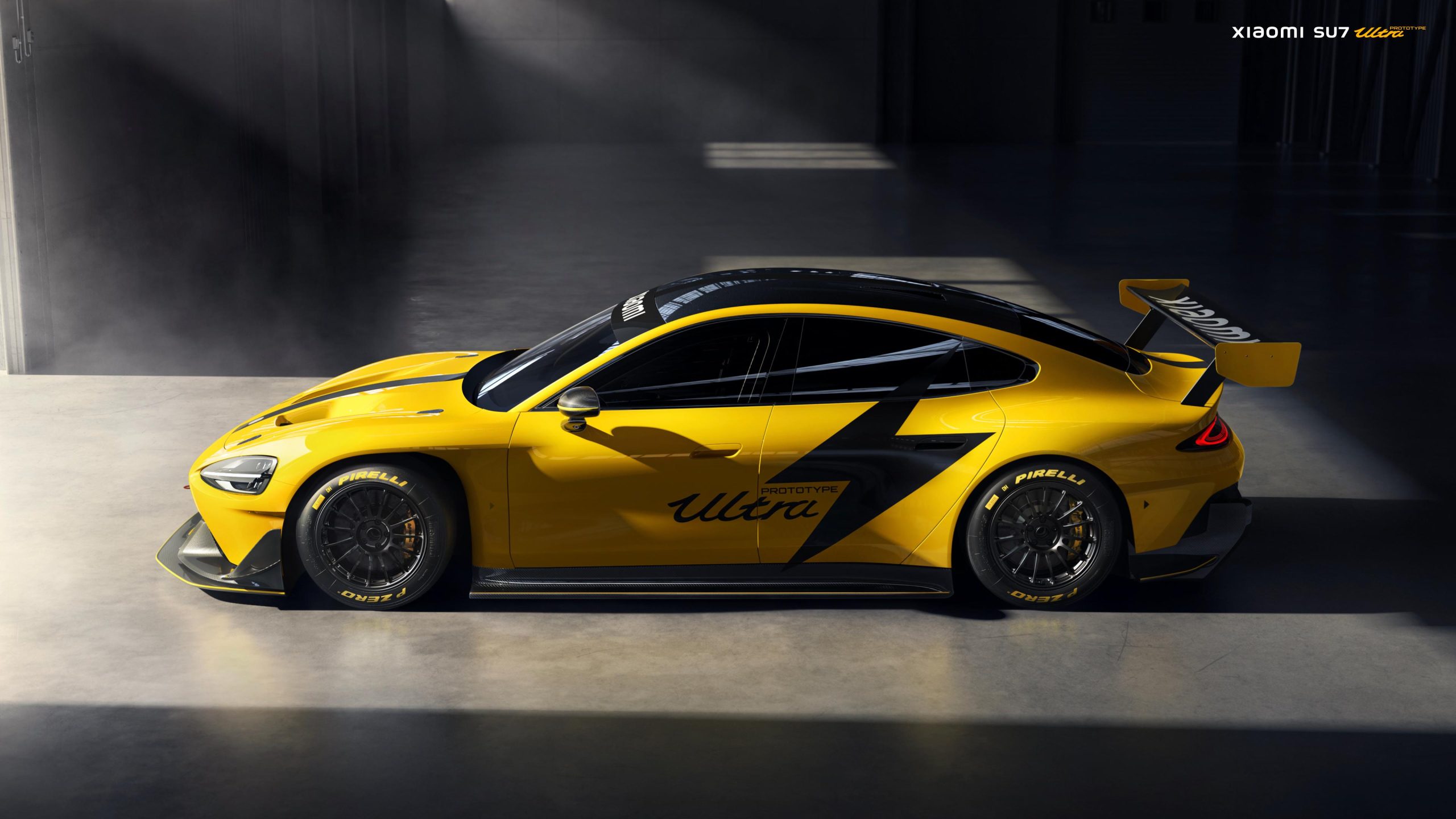
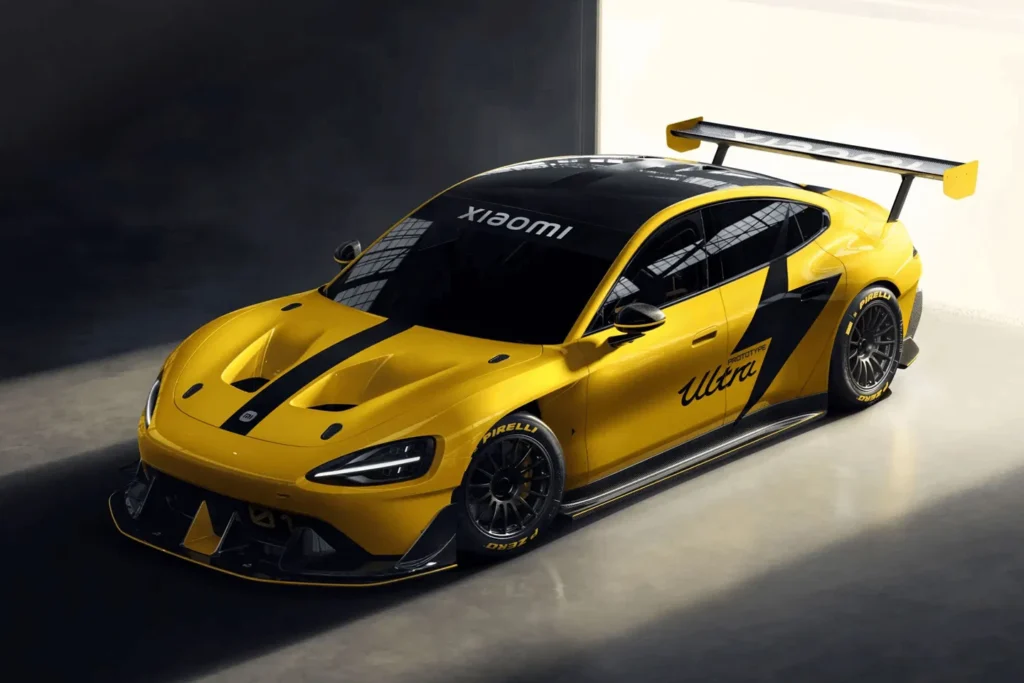
- Strong demand for the premium Xiaomi SU7 Ultra sedan
Explosive EV Deliveries: From Sedans to SUVs
SU7 Ultra: The Premium Electric Sedan
The Xiaomi SU7 Ultra, launched earlier this year, quickly became the flagship of Xiaomi’s EV lineup, offering luxury performance at a price point competitive with Tesla Model S and NIO ET7.
- Q2 2025 deliveries: ~81,000 units (up 197.7% YoY from 27,300 in Q2 2024)
- Cumulative deliveries (by July 2025): Over 300,000 units
YU7 SUV: Xiaomi’s Luxury Performance SUV
In Q2, Xiaomi also launched its YU7 SUV, designed as a luxury performance electric SUV for global markets. The results were stunning:
- 240,000 pre-orders in just 18 hours after launch
- Direct competitor to Tesla Model Y Performance, BYD Tang EV, and Mercedes EQE SUV
Record July Momentum
Momentum didn’t slow entering Q3:
- July 2025 deliveries: 30,000+ units
- Month-on-month growth: +20%
- Year-on-year growth: +121%
This places Xiaomi among the fastest-scaling EV startups in the world, rivaling the growth pace of Tesla in its early days.
Manufacturing Expansion: Scaling for Global Demand
To keep pace with soaring demand, Xiaomi is rapidly building out its EV production capacity:
- Factory 1: Annual capacity 150,000 units, running near peak with ~24,000 units/month
- Factory 2: Same 150,000-unit capacity, now fully operational
- Factory 3: Under construction, expected to add another 150,000-unit capacity
This would give Xiaomi a total annual production capacity of ~450,000 vehicles within the next year — positioning it among China’s top five EV makers by volume.
Strategic Positioning: How Xiaomi Stands Out
Xiaomi’s EV strategy differs from competitors like Tesla, NIO, and BYD in several key ways:
- Ecosystem Integration: Seamless connection between Xiaomi EVs, smartphones, wearables, and smart home devices.
- AI Advantage: Proprietary Xiaomi HyperOS and AI-assisted driving stack built on Nvidia processors.
- Aggressive Pricing: Competitive pricing strategy to balance luxury appeal with affordability.
- Retail Network: 335 retail stores across 92 Chinese cities, blending EV sales with its consumer electronics retail strength.
This multi-sector ecosystem gives Xiaomi a unique moat in the EV industry, blending lifestyle, mobility, and smart technology into one.
Global Outlook: Beyond China’s Borders
While most deliveries are currently in mainland China, Xiaomi is expected to expand internationally:
- Europe: Where Xiaomi already has a strong smartphone market share, positioning EV entry in countries like Germany, France, and Spain.
- Southeast Asia (including Malaysia): Potential launchpad for affordable Xiaomi EVs.
- Middle East: EV demand is growing in UAE and Saudi Arabia, both markets where Xiaomi has brand recognition.
By leveraging its global smartphone footprint, Xiaomi could replicate Tesla’s international growth trajectory faster than most EV startups.
Conclusion: Xiaomi’s EV Bet Is Paying Off
Xiaomi’s Q2 2025 financial report proves that its gamble on EVs is paying dividends. With:
- ¥116B in revenue
- ¥10.8B in net profit
- 81,000 vehicles delivered in Q2
- Breakthrough models like the SU7 Ultra sedan and YU7 SUV
- Three factories scaling toward 450,000-unit annual capacity
…the company has transitioned from a consumer electronics giant to a true mobility innovator.
If Xiaomi can maintain its momentum and expand into global EV markets, it may soon sit alongside Tesla, BYD, and Volkswagen as one of the world’s leading electric vehicle manufacturers.